
Lieferung heute & morgen

Qualitätsgarantie

Willkommens-Angebote freischalten: KOSTENLOSE Lieferung | Bis zu 80 % RABATT | Kostenlose 30-Tage-JoyPlus-Testphase
App herunterladen
If you’re looking to buy honey, you’ll find a huge selection online: blossom honey, acacia honey, forest honey, lime blossom honey, organic honey or Manuka honey. The differences aren’t just about taste – they also extend to consistency, origin, packaging and labelling. If you only focus on terms like “pure” or “particularly valuable”, you can easily miss important product details.
This shopping guide shows what private customers, families and discerning connoisseurs should look for when ordering honey online.
Names like blossom honey, summer blossom honey or forest honey describe the type of honey, but they don’t automatically tell you which region the honey comes from. With blends, the origin might be listed as “EU and non-EU countries”. If you prefer German honey or a specific origin, you should check the information on the label.
Runny honey is convenient for stirring into tea or for portioning. However, the consistency alone doesn’t prove higher quality. Depending on the variety, temperature and natural composition, honey can crystallise. Creamed honey isn’t automatically less natural either. Crystallisation is a natural process and can, depending on the product, be partially reversed by gently warming it in a water bath.
Manuka products often list MGO and UMF values. MGO stands for methylglyoxal, while UMF is a rating system for Manuka honey. These values are used to classify the particular product and are not proof of any medicinal or therapeutic effect. Manuka honey is a foodstuff, not a medicine.
The variety influences the aroma, colour and use:
Choosing a taste is subjective. For everyday use, mild varieties are a good choice, while forest or lime blossom honey can be selected specifically to enhance tea, desserts or savoury dishes.
A jar is ideal for storing at home and is easy to portion with a spoon. Squeezy bottles like the “Flotte Biene” allow for clean dosing onto bread, muesli or fruit. For occasional use or on the go, small portions such as honey 250 g or mini sizes can be practical. Families and heavy users often go for honey 500 g, as this means less packaging.
Also make sure the packaging seals tightly, and store your honey in a dry place, away from direct sunlight, at room temperature. The fridge isn’t necessary for normal storage.
For pure honey, the ingredients list should only contain “honey” or the relevant variety name. Organic honey must be produced and labelled in accordance with the EU Organic Regulation. The organic logo or the inspection body number, for example DE-ÖKO-001, should be clearly visible on the product page or packaging.
Honey is mostly made up of sugar and typically provides around 300 kcal per 100 g. It can be used as a natural sweetener for tea, breakfast dishes or baking recipes, but it isn’t a sugar-free food. For a balanced diet, you should consider the daily amount you use.
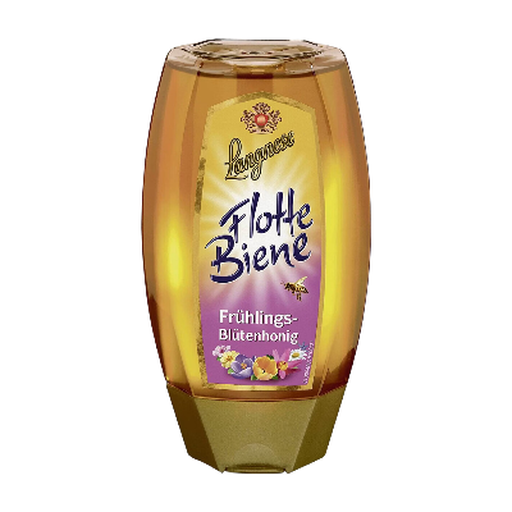
Why this product suits the profile: The 250 g squeezy bottle is ideal for households looking for a compact amount for bread, yoghurt, tea and recipes.
The product information lists honey as the ingredient and provides guidance on storage and its natural raw food nature.
Practical dosing, 250 g content and versatile use as a spread or natural sweetener.
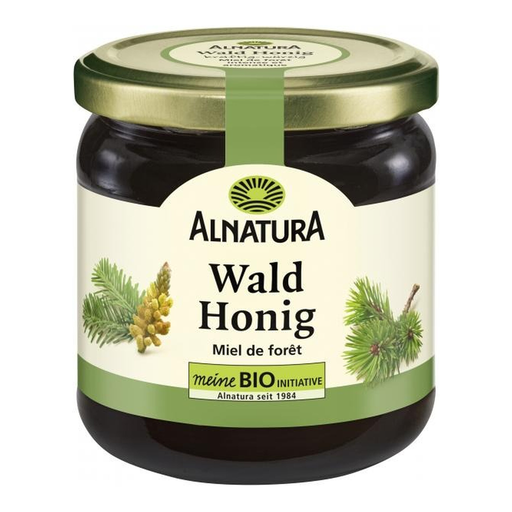
Why this product suits the profile: The organic certification and the robust forest honey character appeal to buyers who actively compare origin and production information.
The product page states the EU Organic Regulation, the inspection body number DE-ÖKO-001 and the origin from EU and non-EU countries.
500 g content, organic certification and runny consistency for bread, drinks, baking or salad dressings.
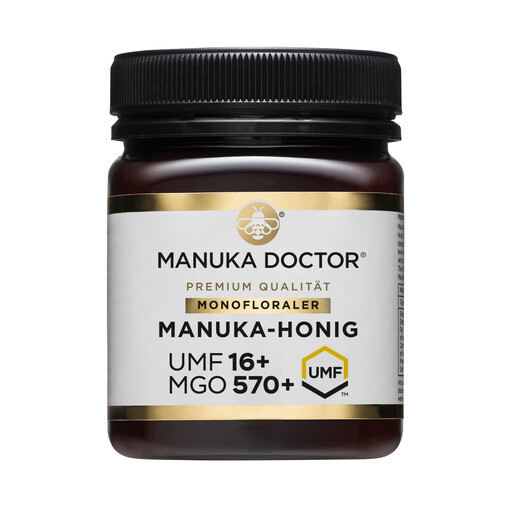
Why this product suits the profile: Suitable for buyers who want to specifically select New Zealand Manuka honey with a stated UMF and MGO value.
The UMF 16+ and MGO 570+ ratings are clearly stated. The product is explicitly described as a foodstuff and not as a medicine.
100 % monofloral Manuka honey from New Zealand, 250 g content and clearly stated product ratings.
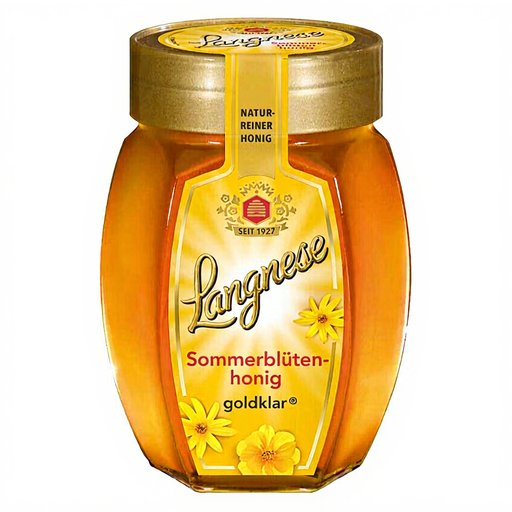
Why this product suits the profile: The 500 g size is designed for regular use at breakfast, for baking and sweetening drinks.
The product description lists honey as the only ingredient, advises storage at room temperature and explains how to handle natural crystallisation.
500 g content, delicate summer blossom flavour and uses for muesli, tea, bread and pancakes.
We’ve put together a full, regularly updated list of products that fully meet these strict selection criteria and the safety regulations in force in the EU.
Honey is ideal for sweetening tea, muesli, yoghurt, quark, baked goods and selected savoury dishes. For Manuka products, please follow the manufacturer’s instructions on dosage and use. If you stir honey into a drink, it shouldn’t be boiling hot if you want to preserve the aroma and consistency as much as possible.
For storage, remember:
Acacia honey often stays runny for longer than many other varieties, thanks to its natural sugar composition. Storage conditions also affect the consistency. However, a runny form is not a sole indicator of quality.
When stored dry, away from light and sealed, honey keeps for a long time. The best-before date and the information on the packaging are what matter. Changes in colour or crystallisation can occur in a natural product.
Check the origin, ingredients list, pack size and the specific labelling with an MGO or UMF value. These values describe product characteristics and do not represent a medicinal claim. People with allergies to bee products or special dietary requirements should follow the instructions on the packaging.