
Lieferung heute & morgen

Qualitätsgarantie

Willkommens-Angebote freischalten: KOSTENLOSE Lieferung | Bis zu 80 % RABATT | Kostenlose 30-Tage-JoyPlus-Testphase
App herunterladen
If you want to buy honey online, you'll quickly find a huge selection: blossom honey, forest honey, organic honey, creamy honey, liquid honey and Manuka honey all differ not just in taste. Origin, consistency, pack size and labelling also influence your buying decision. Our selection is designed to help you assess product information objectively and avoid unnecessary mistakes.
A quick look at the ingredients list is essential. For a classic honey, the only ingredient listed should be honey. Products labelled as honey syrup may have a different composition. The Asbal Suzme Bal Honey Syrup 486 g states it contains at least 10% honey along with glucose-fructose syrup. If you're looking for pure honey, don't compare this product to a jar that is 100% honey.
A German filling location doesn't necessarily mean the honey comes exclusively from Germany. For example, Langnese Summer Blossom Honey 500 g states "made in Germany" and a blend of EU and non-EU honeys. If you specifically want to buy German honey, look for a clear, unambiguous origin statement.
Liquid honey stirs easily into tea, yoghurt or dressings. However, many honey varieties crystallise naturally over time. Creamy honey is stirred under controlled conditions or finely crystallised, which keeps it spreadable. Consistency alone is therefore not a reliable sign of higher or lower quality.
The ingredients list should match what you're looking for. Typical guidance:
The term "100% honey" is particularly important if you want to avoid syrups or other sweeteners.
For breakfast on toast, creamy honey and finely creamy varieties like rape seed honey are ideal. For sweetening drinks or drizzling over muesli, liquid honey is more practical. A squeeze bottle can make application easier, while a jar often allows precise removal with a spoon.
The jar size should also match your consumption. Honey 500 g is suitable for families or households that use honey regularly. Smaller 250 g jars are useful if you want to try a particular variety first.
For Manuka honey, values such as MGO 100+, MGO 570+ or MGO 690+ indicate the declared methylglyoxal content in milligrams per kilogram. UMF is another labelling system. These figures describe product characteristics and should not be equated with medicinal effects.
Look for:
Honey is a food product, not a medicine. It is not suitable for children under twelve months.
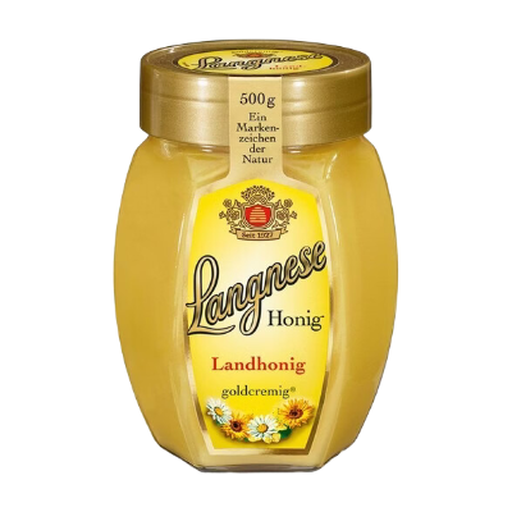
Why this product fits the profile: The 500 g size and creamy, spreadable consistency make it ideal for regular use on toast, in baking or for sweetening tea.
The ingredients list states honey as the ingredient; the creamy consistency is not promoted with any medicinal or special efficacy claims.
500 g content; finely creamy texture; mild flavour profile according to the product description.
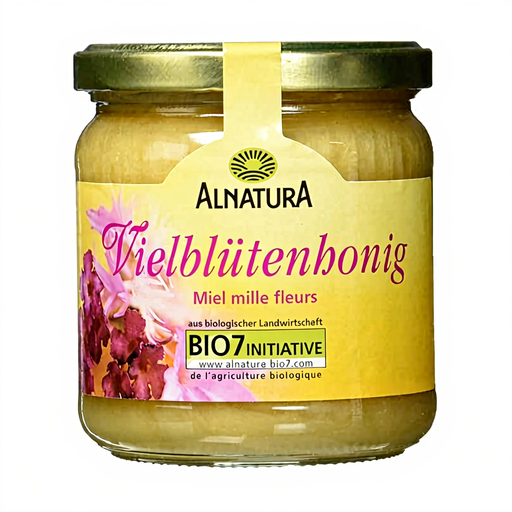
Why this product fits the profile: An option for buyers who look for organic honey labelling and a clearly stated ingredients list when making their choice.
The product information states 100% organic blossom honey and certification to EU organic standards.
500 g content; EU organic certification; versatile for toast, drinks and baking.
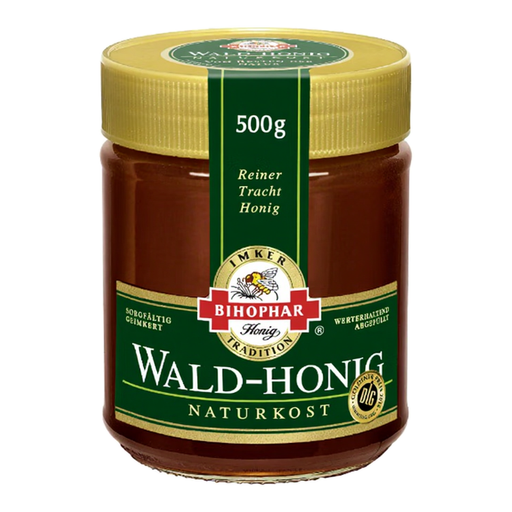
Why this product fits the profile: Liquid forest honey suits buyers looking for a more aromatic honey for drinks, dressings, desserts or everyday household use.
The product information names forest honey and states a blend of EU and non-EU origins, avoiding any unclear equation with German forest honey.
500 g content; liquid consistency; dark, aromatic variety character according to the product description.
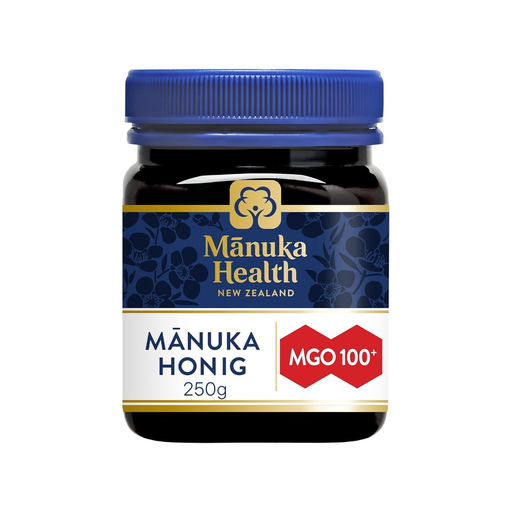
Why this product fits the profile: The 250 g portion is aimed at buyers who prefer a stated MGO rating and New Zealand origin.
The MGO 100+ rating describes the declared minimum content of 100 mg/kg and is not presented as a medicinal effect.
250 g content; 100% honey from New Zealand according to the product information; stated MGO rating.
We've put together a complete, regularly updated list of products that fully meet these strict selection criteria and the safety regulations in force in the EU.
Honey should be stored in a cool, dry place away from direct sunlight. Refrigeration is generally not necessary. Crystallisation is a natural process and not a definite sign of quality loss. For a more liquid consistency, you can gently warm the jar in a warm water bath. Avoid strong or direct heat.
When adding to drinks, note that very high temperatures can affect flavour and consistency. Honey is not suitable for children under twelve months. Anyone with a known allergy to bee products should check the information on the packaging.
Unopened honey usually keeps for a long time when stored correctly. The best-before date on the packaging is the key reference. After opening, keep the jar and spoon clean and dry to prevent moisture from getting in.
Mild blossom honey, summer blossom honey or a light rape seed honey work well with tea, coffee and muesli. For a stronger flavour, you can choose forest honey. With Manuka honey, also compare the MGO rating, fill quantity and price per 100 g.
Honey crystallises at different rates depending on the variety, water content and storage temperature. This is a natural process. If you prefer spreadable honey, you can specifically choose creamy honey or rape seed honey.