
Lieferung heute & morgen

Qualitätsgarantie

Willkommens-Angebote freischalten: KOSTENLOSE Lieferung | Bis zu 80 % RABATT | Kostenlose 30-Tage-JoyPlus-Testphase
App herunterladen
If you're looking to buy honey online, you'll quickly find countless varieties, brands and pack sizes. The choice ranges from blossom honey to forest honey, acacia honey, lime blossom honey and Manuka honey. But not every product is suited to the same purpose: runny honey is easy to drizzle, creamy honey stays put on your toast, and a 500g jar suits heavy users better than a small household.
The most common buying mistakes aren't just about taste – they come from unclear information and unsuitable product features.
Many shoppers associate a clear, runny texture with freshness or superior quality. However, honey can naturally crystallise over time. This depends on the variety, storage conditions and sugar composition. Rape honey and many blossom honeys, for example, often turn creamy, while acacia honey tends to stay runny for longer due to its natural fructose content.
So the texture should mainly suit how you plan to use it:
With pure products, honey consists of 100% honey. When buying online, the ingredients list, net weight and origin should be clearly stated. Terms like 'country honey' or 'summer blossom honey' describe a product type, but don't on their own tell you which country the honey comes from.
For blends, the origin may be listed as, for example, EU and non-EU countries. If you're specifically looking for German honey, check for a clear origin statement and compare it with the label on the delivered product.
Brands such as Langnese Honig, Bihophar Honig and Alnatura Honig offer different product ranges. But the brand name alone is not proof of organic status. For organic honey, the 'Bio' label and a control body number like DE-ÖKO-001 or DE-ÖKO-005 are the relevant things to look for.
The variety influences the aroma, colour and typical texture:
A jar is good for storing and easy to scoop out with a spoon. A squeezy bottle can be more practical at breakfast or when adding honey to dishes. The important thing is to take honey out cleanly after opening, and to keep it tightly sealed, dry and away from direct sunlight.
Honey 500g is cost-effective for families, regular tea drinkers and households that bake often. Smaller 250g jars are a good choice if you want to try several varieties or only use honey occasionally. Portion packs like 5 × 20g are handy for on the go or the office, but they create more individual packaging.
Per 100g, honey provides roughly 302 to 339 kcal and around 75 to 84g of sugar, depending on the product. It can be used as a natural sweetener, but it remains a high-sugar food. Check the specific nutritional values on the packaging.
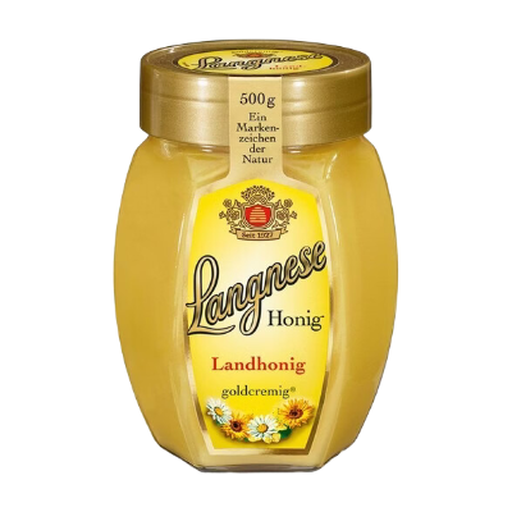
Why this product fits the profile: The 500g pack and creamy texture make it ideal for regular use as a spread, in tea or for baking.
The product description clearly states honey as the only ingredient and explains natural crystallisation as well as gentle warming in a water bath.
Creamy, spreadable texture; 500g content; mild flavour for everyday use.
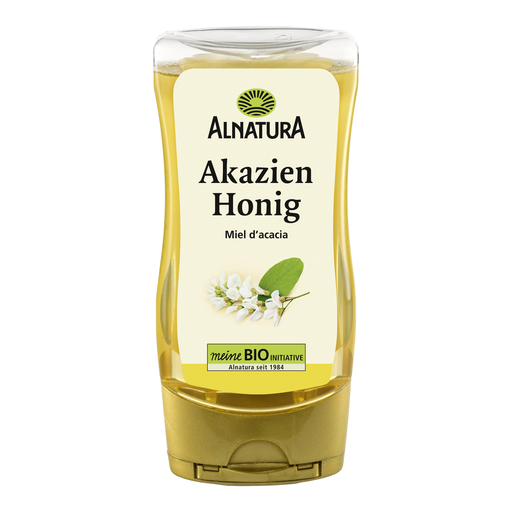
Why this product fits the profile: The organic certification DE-ÖKO-005, 100% acacia honey and the stated origin in Romania give discerning shoppers clear points to check.
The choice relies not just on the brand name, but on the organic certification, ingredients list and stated origin.
Organic product; mild flavour; runny texture for drinks, desserts and baking recipes.
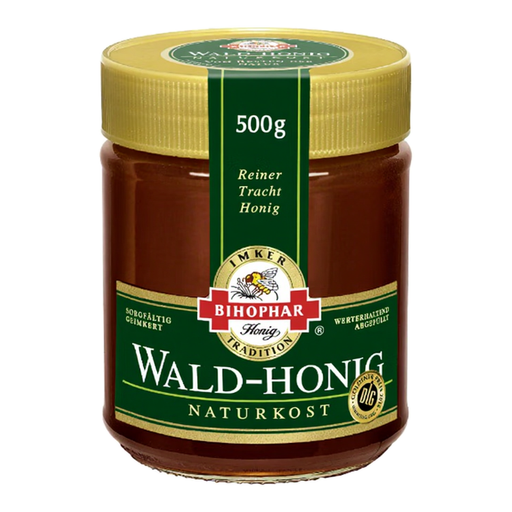
Why this product fits the profile: The runny forest honey variety is aimed at households looking for a stronger flavour for dark bread, tea, desserts or marinades.
The product page identifies the variety as forest honey and lists EU and non-EU countries, rather than suggesting an unsubstantiated regional origin.
Bold, robust profile; runny texture; 500g for regular use.
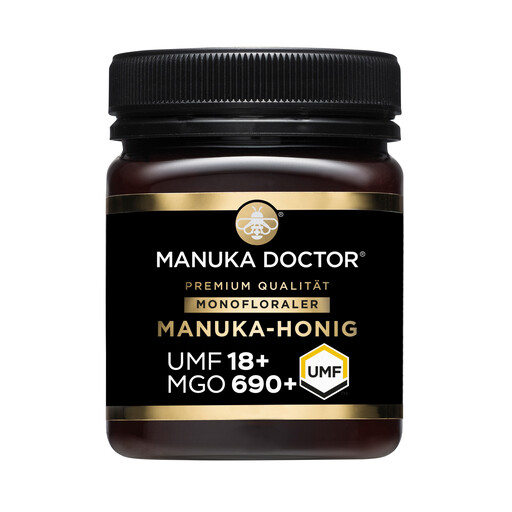
Why this product fits the profile: The 250g pack and the stated UMF and MGO ratings appeal to buyers who want to choose New Zealand Manuka honey based on clear labelling.
The product information states 100% monofloral Manuka honey along with the UMF 18+ and MGO 690+ ratings. These are product characteristics, not health claims.
Monofloral origin statement; independent UMF rating according to the product description; 250g content.
We've put together a full, regularly updated list of products that fully meet these strict selection criteria and the safety regulations in force in the EU.
Honey should be stored cool, dry and away from light at room temperature. Refrigeration is generally not necessary and can speed up crystallisation. For crystallised honey, a gentle water bath is recommended. Overheating can alter the flavour and natural properties.
Honey is a raw food product and is not suitable for infants under twelve months. Anyone with an allergy to bee products should check the ingredients and warning notices. For Manuka products with additional consumption recommendations, these are food-related statements; they do not replace medical advice.
Acacia honey often stays runny for longer than many other varieties due to its natural composition. However, it too can crystallise over time. The texture also depends on temperature and storage duration.
When stored correctly, honey keeps for a long time. The best-before date on the jar is the key reference. After opening, always take honey out cleanly and keep it tightly sealed.
For regular breakfasts, tea and baking, a 500g jar is usually the most practical choice. If you want to compare several varieties or only use honey occasionally, you can start with a 250g or 350g jar.