
Lieferung heute & morgen

Qualitätsgarantie

Willkommens-Angebote freischalten: KOSTENLOSE Lieferung | Bis zu 80 % RABATT | Kostenlose 30-Tage-JoyPlus-Testphase
App herunterladen
Anyone looking to buy honey will find a wide selection online, including organic honey, blossom honey, forest honey, Manuka honey and specialities such as lime blossom honey or acacia honey. The differences are not limited to flavour. Origin, ingredients, consistency, quantity and labelling all determine whether a product suits your household and intended use.
Honey is a natural product, but the description alone reveals little about its origin. Blends may contain honey from EU and non-EU countries. If you are specifically looking for German honey or a particular variety, you should therefore check the ingredients and origin information on the product page.
Blossom honey comes from various flowering plants and can taste mild to aromatic. Forest honey, on the other hand, is mainly made from honeydew and often has a darker colour and a more full-bodied aroma. For speciality varieties such as Manuka honey, additional information such as MGO or UMF values is relevant.
Liquid honey is easy to stir into tea, yoghurt or marinades. Creamy honey, on the other hand, is particularly suitable as a spread because it is less likely to run off the bread. However, consistency is not in itself proof of quality.
Honey can crystallise over time. This is a natural change and does not automatically mean that the product has gone off. A gentle bain-marie can be used to liquefy it. Very high temperatures may affect the honey’s flavour and natural properties.
MGO stands for methylglyoxal and is given as a measurable rating for Manuka honey. According to the product information, a value such as MGO 100+ describes a minimum content of 100 mg/kg. UMF is another labelling system used for certain Manuka products.
These ratings do not make honey a medicine. Manuka honey is a food and should not be promoted or used with medical or therapeutic claims.
For pure honey, the ingredients list should contain only “honey” or the specific honey variety. One example is Langnese Organic Pure Blossom Honey with 100% organic blossom honey and the organic inspection body number DE-ÖKO-005. Alnatura Organic Forest Honey is also listed as organically certified with DE-ÖKO-001.
Honey syrup is an exception. According to the product description, Asbal Suzme Bal Honey Syrup contains at least 10% honey as well as glucose-fructose syrup. If you are looking for a natural sweetener made from pure honey, you should therefore not treat this product as equivalent to single-variety honey.
For a single-person household or for trying a new variety, 250 g honey can be a sensible choice. Families and frequent users often opt for 500 g honey, as this can reduce the need to reorder. The key question is whether you regularly use honey for breakfast, baking, tea or preparing dressings.
Jars reliably protect the contents and are suitable for storing in a kitchen cupboard. Squeezy bottles allow you to dispense portions with less mess. Regardless of the packaging, honey should be stored in a dry place, tightly sealed, at room temperature and protected from direct light. Refrigeration is not necessary for the products mentioned.
Honey is a raw food and is not suitable for children under twelve months. This also applies to organic honey and Manuka honey. Anyone with a known allergy to bee products or pollen should check the ingredients and safety information. If you have diabetes or specific dietary requirements, it may be advisable to consult a medical professional individually.
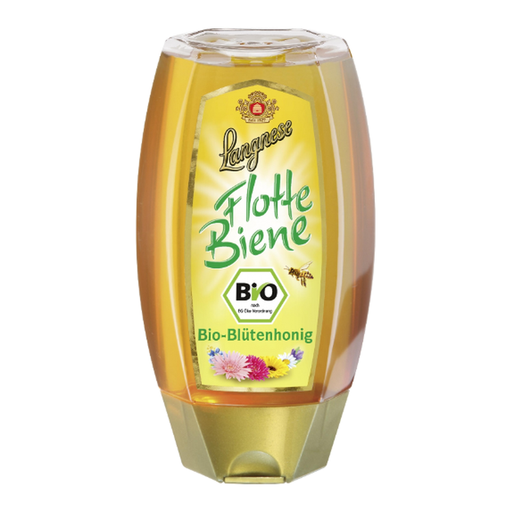
Why this product suits this profile: The 250 g quantity is manageable and is ideal for those trying organic honey for the first time. The fruity, mild blossom honey goes well with bread, tea, muesli and fruit salad.
The ingredients list states that it is 100% honey. The DE-ÖKO-005 organic certification provides verifiable guidance instead of relying solely on a marketing claim of naturalness.
Organic-certified, with 250 g of honey and versatile uses for breakfast and drinks.
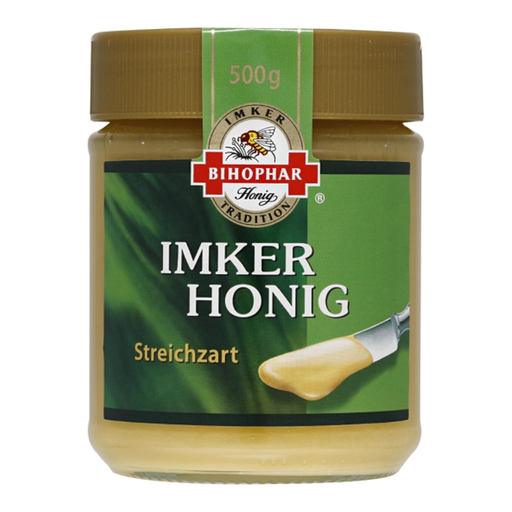
Why this product suits this profile: This creamy, spreadable honey is ideal for everyday breakfasts. The 500 g pack is aimed at households that use honey regularly.
The product information specifies a creamy consistency and particularly gentle filling process. This describes the desired spreadability more clearly than a general claim that the honey is liquid.
Creamy, spreadable texture and 500 g of honey; honey blend from EU and non-EU countries.
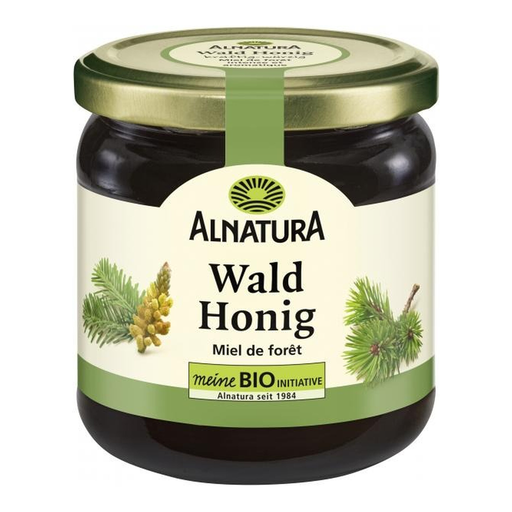
Why this product suits this profile: This liquid organic forest honey is suitable for larger households and a varied kitchen, for example in drinks, baked goods, salad dressings or with robust bread.
The product description identifies the variety as organic forest honey and lists the inspection number DE-ÖKO-001. This makes the organic claim easier to verify.
Organic-certified, with 500 g of honey and, according to the product information, a liquid consistency for versatile uses.
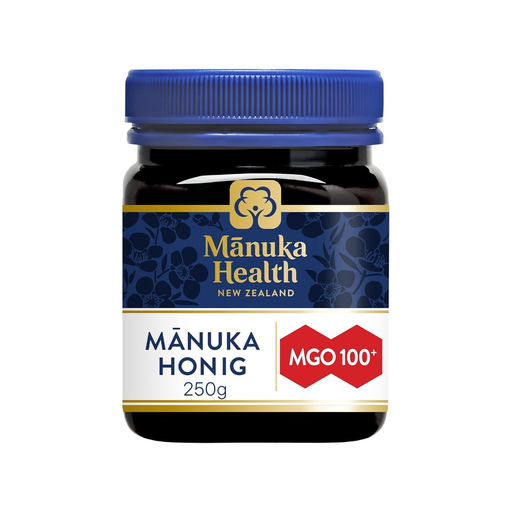
Why this product suits this profile: For buyers specifically looking for New Zealand Manuka honey with a stated MGO rating. The 250 g quantity is suitable for mindful, portion-controlled use.
The stated minimum rating of MGO 100+ is a specific measurable value. The product is expressly listed as a food, not a medical product.
100% honey from New Zealand, MGO rating and no declared additives.
We have put together a complete, regularly updated list of products that fully meet these strict selection criteria and the safety regulations applicable in the EU.
Mild varieties such as blossom honey, acacia honey or spring blossom honey are ideal for tea, muesli and yoghurt. Lime blossom honey has a distinctive, slightly minty aroma. For bread and rolls, you can choose between creamy and liquid honey, depending on the consistency you prefer.
Unopened honey generally keeps for a long time when stored in a dry place protected from light. The best-before date on the packaging is the key reference. Once opened, the jar should be kept clean and tightly sealed, and honey should only be removed with a dry spoon. Crystallisation does not automatically affect safety; for many honey varieties, it is a natural process.
Organic honey complies with the requirements of the EU Organic Regulation and is identified by a control body. This provides additional guidance when choosing. However, whether organic blossom honey, forest honey or German honey suits you in terms of flavour and origin still depends on the variety, ingredients list, quantity and how you intend to use it.