
Lieferung heute & morgen

Qualitätsgarantie

Willkommens-Angebote freischalten: KOSTENLOSE Lieferung | Bis zu 80 % RABATT | Kostenlose 30-Tage-JoyPlus-Testphase
App herunterladen
If you’re looking to buy household appliances online, you’ll find plenty of models with similar product images but very different specifications. For UK households, the key considerations are getting the dimensions right, understanding energy consumption, checking noise levels and choosing useful features. Marketing claims alone won’t tell you how well an appliance will perform in everyday use.
The EU energy label ranges from A to G. A class D appliance won’t necessarily cost less to run than a class E model in every household. What matters is the actual annual consumption in kWh, how long you’ll use the appliance for and your electricity tariff. For refrigeration appliances, you should also consider capacity: a larger interior may offer better value per litre at a similar level of consumption.
Washer-dryers have separate washing and drying capacities. A model with a 10 kg washing capacity and 6 kg drying capacity can’t dry a full wash load in one go. For freezers, usable capacity matters too. Drawers, interior walls and compartments all affect how much you can actually store.
The external dimensions are only part of the picture. Before buying, measure the recess width, appliance depth, room height, delivery route and the space needed to open the door. A reversible door makes positioning easier, but you’ll still need enough room to move around in front of the appliance.
Compact household appliances can be a good choice for one person or a couple. A 31 l mini freezer, for example, is ideal for smaller stocks of food, ice or frozen products. Families and households that shop in bulk may be better suited to a 200 l freezer or a fridge-freezer with separate compartments.
For washing appliances, choose a drum size that suits your usual laundry load. 8 kg is enough for many medium-sized households; 9 to 10 kg gives you more capacity, but also takes up more space.
Noise levels are measured in dB(A). Even a difference of a few decibels can be noticeable in an open-plan living space. For kitchens, studio flats and utility rooms near bedrooms, quiet household appliances with noise levels of around 37 to 41 dB are worth considering for refrigeration. For tumble dryers and washer-dryers, check the washing, spinning and drying noise levels separately.
A No Frost freezer prevents ice from building up manually in the freezer compartment. Low Frost models reduce ice build-up, but still need defrosting from time to time. For tumble dryers, useful features include easily accessible lint filters, a clear indicator when the water container needs emptying and an accessible condenser.
Features such as a delay start, reversible door, adjustable feet, LED lighting and adjustable shelves should also be assessed against your actual needs. An extra feature is only useful if you’ll use it regularly.
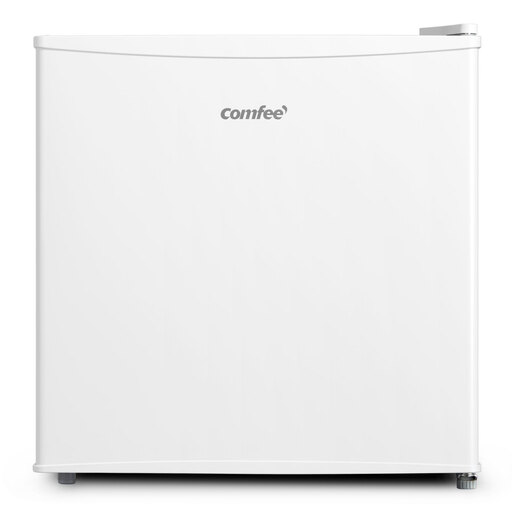
Why this product suits this profile: This compact appliance takes up little floor space and is ideal for individuals, couples, offices or small flats that need a little extra freezer space.
Its 31 l capacity makes its intended use clear. The reversible door and adjustable feet make it easier to position.
4-star freezer compartment, freezing capacity of up to 2 kg per 24 hours, 41 dB and a stated annual consumption of 147 kWh.
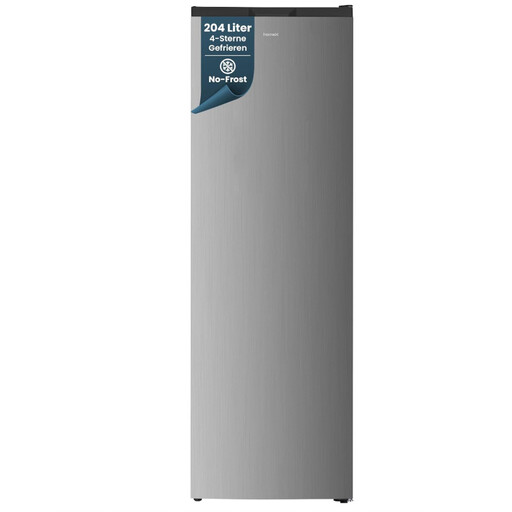
Why this product suits this profile: Families, house shares and bulk shoppers get separate drawers and plenty of usable storage space.
No Frost reduces the need for manual defrosting. Check the stated dimensions of 60 × 54 × 170.5 cm against the space available before buying.
204 l usable capacity, 39 dB, 4-star compartment, Super Freeze function and six drawers or compartments.
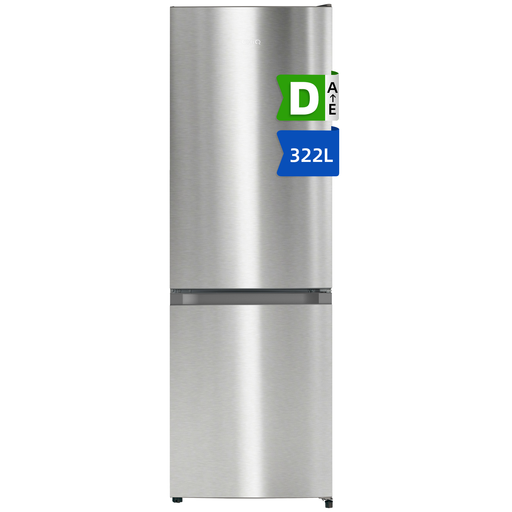
Why this product suits this profile: This model is designed for families who shop regularly, need extra freezer space and want an appliance that can be used in rooms with varying temperatures.
The usable capacity is split between 226 l of fridge space and 96 l of freezer space, so you can assess each compartment rather than focusing only on the total. At 63.5 cm deep, it’s important to check the available space carefully.
Total No Frost, 322 l total capacity, energy efficiency class D, 196 kWh per year according to the product details and 37 dB.
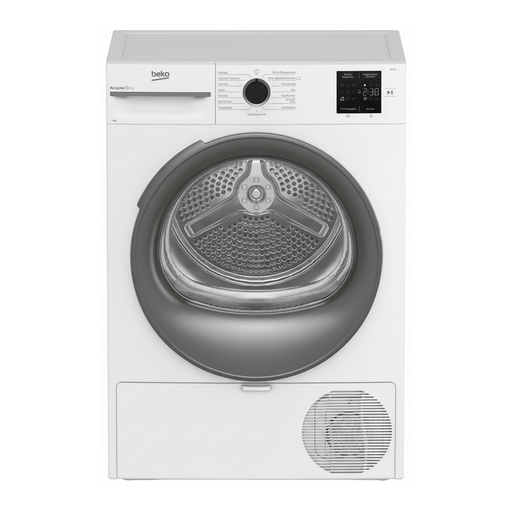
Why this product suits this profile: This freestanding tumble dryer has an 8 kg drum and several programmes, making it a good option for households without a separate drying room.
The capacity is clearly stated, so you can compare it with your washing machine’s load size. Indicator lights for the filter and water container help you keep up with regular maintenance.
15 programmes, 24-hour delay start, stainless steel drum and a combined filter system, according to the product description.
We’ve put together a complete, regularly updated list of products that meet these strict selection criteria and fully comply with the safety regulations in force in the EU.
For a rough cost estimate, multiply the stated annual consumption by your electricity price. Tumble dryer figures often relate to a set number of cycles, whereas refrigeration appliances show consumption per year. This means the figures aren’t directly comparable.
All appliances need adequate ventilation clearance, a level surface and a suitable socket. Fridges and freezers must not be placed where their ventilation openings are blocked. Tumble dryers and washer-dryers need regular cleaning of the lint filter, seal and, where applicable, condenser. Always follow the manufacturer’s instructions for connection, maintenance and safety.
Compact appliances with clearly stated external dimensions are a sensible choice for small flats. A mini freezer, a slimline fridge or a washer-dryer can help save space. Before buying, check the door clearance, ventilation and noise level.
Heat pump tumble dryers use lower drying temperatures than many conventional types. Check the actual energy efficiency class, consumption per 100 cycles, drying capacity and the maintenance needed for the filter and condenser.
Lifespan depends on the appliance type, how it’s used and maintained, and where it’s installed. Regular cleaning, adequate ventilation and staying within the maximum load can help reduce wear and tear. Check the warranty and service details separately before buying.