
Lieferung heute & morgen

Qualitätsgarantie

Willkommens-Angebote freischalten: KOSTENLOSE Lieferung | Bis zu 80 % RABATT | Kostenlose 30-Tage-JoyPlus-Testphase
App herunterladen
If you want to buy household products online, you’ll quickly find a wide selection of hygiene essentials, kitchen supplies, stationery and packaging materials. The challenge isn’t finding options but comparing them. Pack sizes, material details and usage instructions aren’t always presented clearly at first glance. As a result, a seemingly cheap family pack can turn out to be impractical or unsuitable for its intended use.
As a Joybuy Product Recommendation Officer, I filter product information using clear, comparable criteria. What matters are not flashy marketing claims, but details such as quantity, dimensions, materials, storage and disposal.
A family pack with several hundred or thousand units can lower the per-item price. However, it requires enough dry storage space. Wet wipes can dry out if the packaging isn’t properly resealed, while paper products can lose quality in damp basements. Before buying, you should compare your actual monthly consumption with the pack size.
For wet wipes, “flushable” does not automatically mean that any number of wipes can be disposed of down any toilet without issue. Pipe diameter, flush power and the local wastewater system all play a role. Product information from ochama, for example, recommends flushing moist toilet tissue only in small quantities. Tempo likewise notes that residues may remain in certain wastewater systems.
“Environmentally friendly” should also be assessed using concrete details. For a packaging tape, the material, coating, adhesive and recycling guidance are more informative than a generic marketing claim.
Baking paper for air fryers needs to match the basket diameter. A sheet that’s too large can obstruct airflow or reach a heating element. When choosing, diameter, heat resistance and recommended use are therefore more important than the sheer number of sheets.
Compare not just the total price, but the price per roll, pack, sheet or use. Examples:
For frequent use, bulk packs can make sense. For smaller households or occasional use, a smaller unit can reduce storage needs and tie up less cash.
For paper goods, the number of plies, sheet size and base material influence practical use. Multi-ply tissues can be sturdier for drying or cleaning; however, no medical effect should be inferred from this. According to the product information, the C&S and ochama products described are made from virgin pulp and bamboo pulp respectively.
With perfumed tissues, consider the fragrance used. The C&S product includes a floral scent. If you’re sensitive to fragrances, look for an unscented alternative. For wet wipes, also pay attention to statements such as “for external use”, how the pack reseals, and contact with the eyes.
Tissues and facial tissues do not belong in the toilet unless the product information explicitly allows it. Moist toilet tissue should only be flushed in line with the labelling and the conditions of your own wastewater system. If in doubt, general waste is the more controlled option.
Store paper and hygiene products in a cool, dry place away from direct sunlight. Reseal packs of wet wipes after each use. Frozen herbs such as Iglo chopped spring onions must remain continuously frozen and should not be refrozen after thawing.
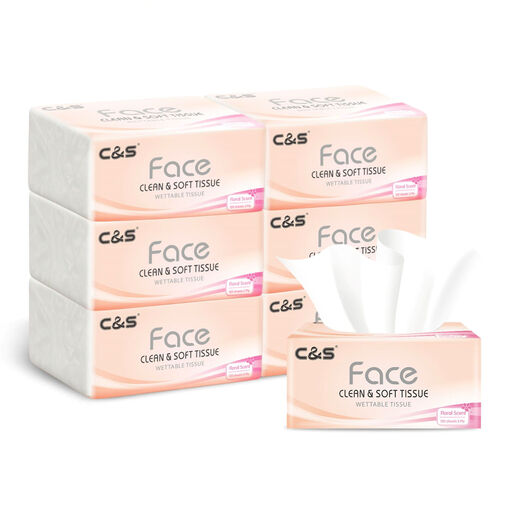
Why this product fits the profile: Six packs with 120 three-ply tissues each suit predictable day-to-day use in smaller households or as a reserve.
The total quantity and sheet count are clearly stated. The fragrance is also specified, so you can factor it into your decision.
Three-ply construction, 720 sheets, and packs for separate storage.
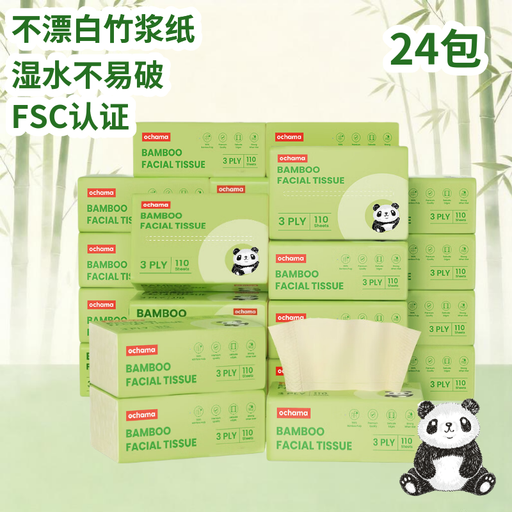
Why this product fits the profile: The product information states unbleached bamboo pulp, three plies and FSC certification. That appeals to buyers who like to compare material and sourcing details.
Material, number of plies, sheet size and total quantity are stated specifically. That makes it easier to assess than generic sustainability claims.
2,640 sheets, three plies and, according to the product information, 100 per cent unbleached bamboo pulp.
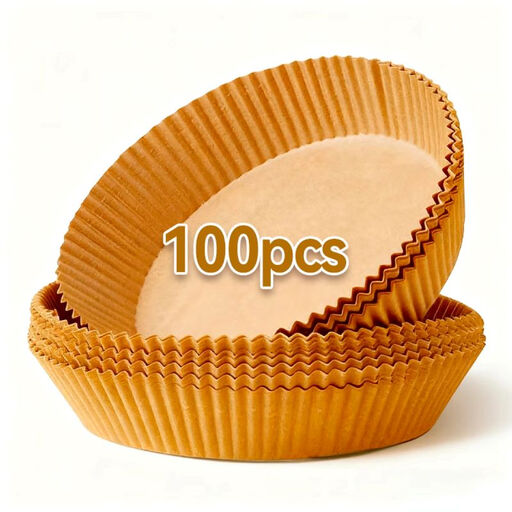
Why this product fits the profile: If you cook with an air fryer regularly, the sheet count and stated heat resistance help you plan your supplies more accurately.
Before use, check the basket size and your air fryer manufacturer’s guidance. The paper is intended for single use.
Pack of 100 and, according to the product information, food-safe, heat-resistant paper.
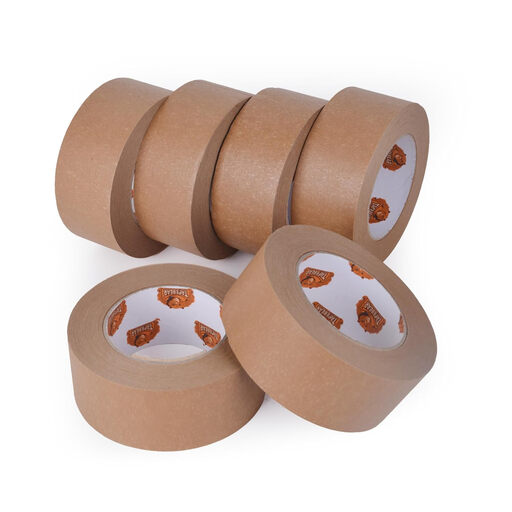
Why this product fits the profile: For house moves, shipping and storage, this tape offers a writable kraft paper surface and six rolls for regular use.
Material and roll length are clearly listed. For recycling processes, you should still follow local guidelines and consider the packaging’s overall make-up.
Six rolls of 55 metres each, writable surface and, according to the product information, kraft paper with no plastic components.
We’ve compiled a comprehensive, continuously updated list of products that fully meet these strict selection criteria and comply with EU safety regulations.
For everyday household essentials, alongside tissues and toilet paper, kitchen roll, disposable bowls and frozen herbs are frequently purchased consumables. With disposable bowls, capacity, heat resistance and leak protection matter. The biodegradable soup bowls described hold 500 millilitres and are offered in a pack of 50. For barbecues or events, also check whether the size suits the food you have in mind.
Gel pens and other craft items require a different yardstick. The Ohuhu gel pens, for example, are stated to have a 0.8 mm tip, water-based metallic ink and twelve pens per set. The caps contain small parts and should be kept out of reach of children under three.
Bulk packs are particularly suitable for regularly used items such as toilet paper, tissues, wet wipes or kitchen roll. The deciding factors are the price per unit, available storage space and shelf life or storability. For sensitive products or those that dry out quickly, a smaller pack may be more practical.
For dry tissues, lifespan mainly depends on clean, dry storage. For the C&S product, the stated shelf life is three years. Wet wipes should be resealed after opening and kept away from heat, sunlight and moisture. The information on the individual package remains the deciding guidance.
Not necessarily. Sustainable household products can have a higher per-item price if special materials or certifications are used. Compare material, lifespan, pack size and disposal method together. A product is cost-effective when it suits your actual consumption and intended use.