
Lieferung heute & morgen

Qualitätsgarantie

Willkommens-Angebote freischalten: KOSTENLOSE Lieferung | Bis zu 80 % RABATT | Kostenlose 30-Tage-JoyPlus-Testphase
App herunterladen
When temperatures rise, so does the desire for a cool, refreshing drink. However, anyone looking to buy iced tea often faces a vast shelf space—both online and offline. The selection ranges from classic varieties to exotic blends. But not every option delivers on its promise. Some products turn out to be sugar-laden sodas, while others have a disappointing flavour. As your Joybuy Product Recommendation Officer, I'll help you navigate the common pitfalls and make an informed choice.
Before you order drinks online, you should be aware of two common marketing tactics that often lead to an unsatisfying purchase.
To find the right iced tea, focus on three objective criteria. These will help you assess a product's quality and suitability for your needs.
The foundation of any iced tea is crucial for its flavour and effect.
The type and amount of sweetener is a key factor.
Your choice depends on your lifestyle.
Here are a few recommendations tailored to different needs and preferences.
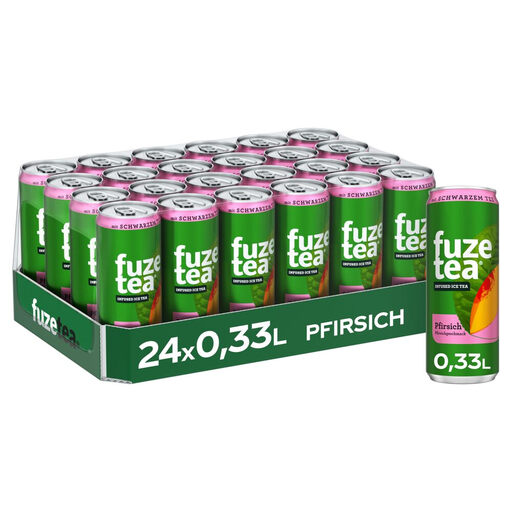
Why This Fits Their Persona: Ideal for anyone looking for a simple and proven refreshment for on-the-go, the office, or at home. The 0.33L cans are conveniently portioned, and the bulk pack ensures you have an ample supply.
The nutritional information is clearly declared (6.5 g sugar/100 ml), so there's no hidden sugar trap. According to the manufacturer, the tea comes from Rainforest Alliance certified farms.
Convenient portion size in a bulk pack; classic flavour combination of black tea and peach.
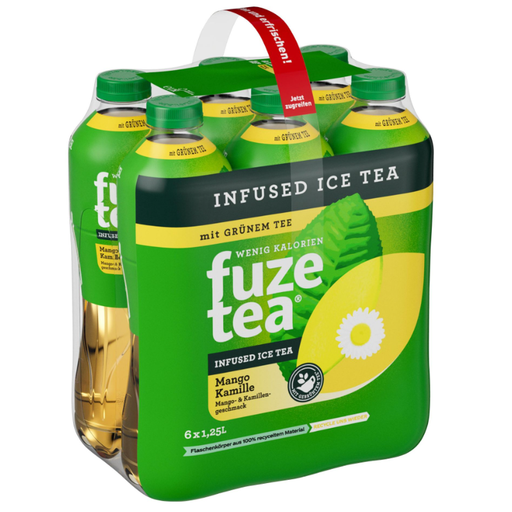
Why This Fits Their Persona: Perfect for families and health-conscious individuals looking for a lower-calorie alternative without sacrificing taste. The large 1.25L bottles are ideal for sharing.
This drink is explicitly labelled as low-calorie (19 kcal/100 ml). The sweetness comes from a blend of sugar and steviol glycosides, which reduces the total sugar content to 4.3 g/100 ml.
Reduced sugar and calorie content; green tea from sustainable cultivation (Rainforest Alliance certified).
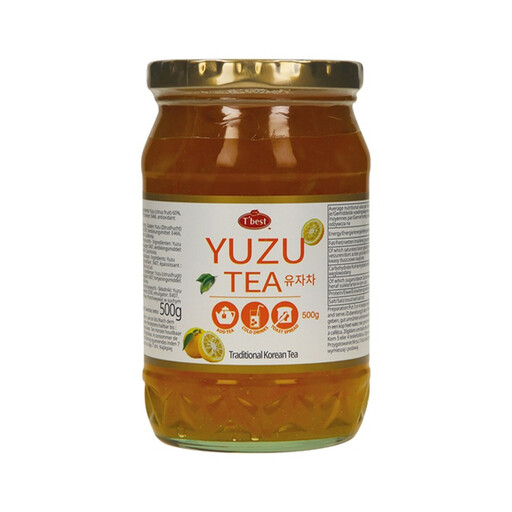
Why This Fits Their Persona: For anyone who wants to explore new worlds of flavour. This traditional Korean yuzu tea is a concentrate made from yuzu fruit and honey, offering a unique, intense citrus aroma.
As a concentrate, it gives you full control. You decide how sweet and intense your drink should be, thus bypassing the predefined sugar content of ready-to-drink beverages.
Highly versatile: can be used as a hot or cold drink, but also as a spread for bread or to enhance yoghurt and desserts. Authentic taste.
We have compiled a complete, up-to-date list of products that fully meet these strict selection criteria and German regulations.
1. How do I identify a low-calorie iced tea? Check the nutrition facts table. A low-calorie iced tea typically has under 20 kcal per 100 ml. Also, look for terms like "reduced sugar," "no added sugar," or the use of sweeteners like steviol glycosides in the ingredients list.
2. Does iced tea always contain caffeine? No. Iced tea based on black or green tea naturally contains caffeine. However, products based on fruit tea or herbal tea are usually caffeine-free. This is typically indicated on the packaging.
3. Can I make my own iced tea from regular tea bags? Yes, this is a cost-effective and flexible method. Simply brew a strong tea (e.g., with two tea bags per cup), sweeten it to your liking while it's still hot, and then cool it down quickly, preferably over ice cubes. This prevents the tea from becoming bitter.