
Lieferung heute & morgen

Qualitätsgarantie

Willkommens-Angebote freischalten: KOSTENLOSE Lieferung | Bis zu 80 % RABATT | Kostenlose 30-Tage-JoyPlus-Testphase
App herunterladen
If you want to buy international sweets online, you'll quickly find a huge selection of fruit gums, chewy sweets, mochi and other specialities. The product images often look eye-catching, but the important details are hidden in the small print. For families, parties or gifts, it's worth checking a few practical criteria before you buy.
Colourful gummy bears, sour sweets and freeze-dried candies are often marketed on their looks alone. However, the colour can come from colouring foods or permitted food colourings. For products containing E102, E110 or E129, you must note the required warning that these colourings may have an adverse effect on activity and attention in children.
For children, you should always check the ingredients list before buying. Also, small, hard or round sweets can pose a choking hazard. The minimum age and supervision instructions on the packaging are what matter most.
Asian sweets and Chinese sweets often contain fruit juice concentrates or fruit purées. What really counts is the specific percentage stated. For example, Cokoc Peeling Soft Candy Mango Flavour states a total fruit content of at least 10 per cent from mango and apple juice. The grape variant, on the other hand, states a fruit content of at least 50 per cent.
Checking the ingredients list stops you mistaking a fruit design for a high fruit content. Terms like 'exotic' or 'tropical' only describe the flavour, not the actual fruit content.
Not every sweet is suitable for every occasion. Mochi is soft and chewy, chewy sweets need longer chewing, while freeze-dried products are crunchy and easily breakable. For a party with children, individually wrapped or easy-to-portion products are practical. For a gift, unusual textures like mochi or freeze-dried sweets can be more interesting than classic gummy bears.
If you're looking for vegetarian or vegan sweets, don't rely on the flavour alone. Gelatine can come from beef or pork. This applies to several Cokoc varieties as well as the Mango Mochi from Bamboo House. The Trolli Dino Rex Vegan Sour Gummy is labelled as vegan, gluten-free and lactose-free.
For milk, egg, soya, wheat or nuts, both the ingredients list and any possible trace warnings are relevant. With international products, recipes and labelling can vary depending on the import batch. Always check the actual label before eating.
Comparing pack sizes isn't enough. The nutritional values per 100 grams are far more meaningful. Many fruit gums and chewy sweets contain around 80 to 90 grams of carbohydrates per 100 grams, a significant proportion of which is sugar. The pack size also affects how easily you might end up eating a larger portion.
If you're buying sweets to share, 75 to 100 gram bags are easy to portion out. For a larger group, packs of 150 to 195 grams work well. For products like Kopiko Cappuccino Candy or Werther's Original Soft Eclair Salted Caramel, you should also check the milk and soya information.
Heat and moisture change both texture and flavour. Fruit gums can become sticky, sweets can clump together, and mochi can lose its soft texture. Most products should be stored in a cool, dry place away from direct sunlight.
After opening, a well-sealed bag or an airtight container is recommended. For products with a delicate texture, such as freeze-dried candy, this step is especially important. The best before date on the packaging you receive is what counts, not general online information.
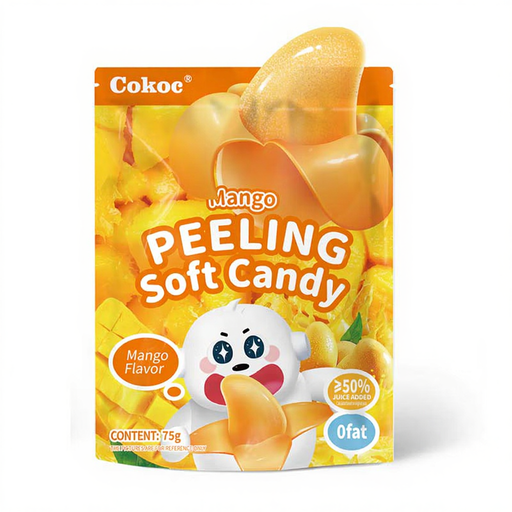
Why this product fits the profile: The 75g pack offers a manageable introduction to exotic sweets. The mango and apple recipe, along with the soft, jelly-like texture, makes it ideal for individual snack portions.
The stated fruit content and ingredients list give you more guidance than the mango design alone. However, E110 and E102 are still present and should be noted.
75g bag, soft texture and mango-apple juice concentrate; contains gelatine.
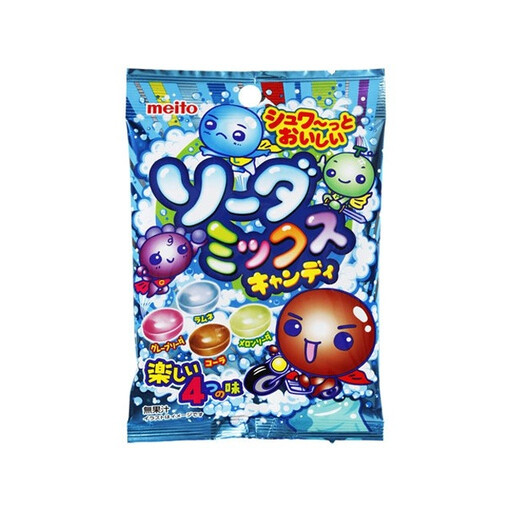
Why this product fits the profile: This Japanese mix lists four clearly separate flavours: cola, grape soda, ramune and melon soda. That makes choosing easier for fans of Japanese sweets.
The product type is stated as hard and fizzy sweets. This makes it easier to judge the expected texture before buying.
Four soda flavours, 56g pack and, according to the product information, no allergens.
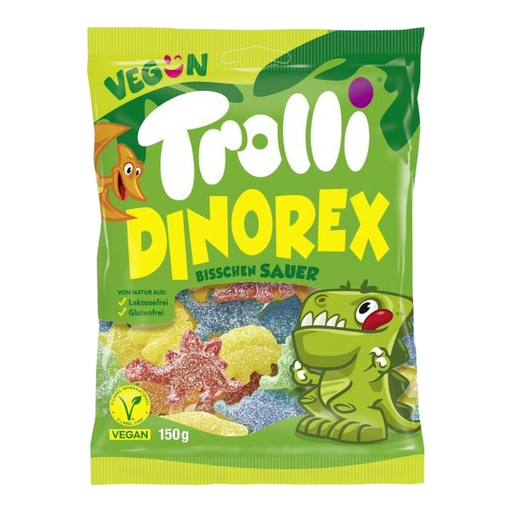
Why this product fits the profile: The 150g pack is designed for parties, family gatherings and longer-term stocking up. The fruity-sour selection includes six flavours.
The vegan label prevents confusion with gelatine-based fruit gums. Storage away from heat and moisture is still necessary.
Vegan, gluten-free and lactose-free according to the product information; 150g bag with several fruit flavours.
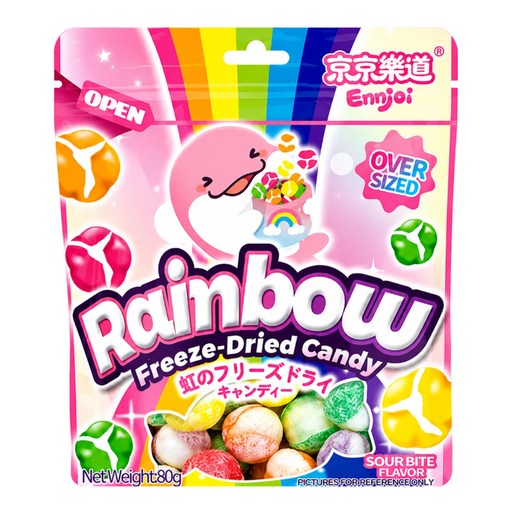
Why this product fits the profile: The colourful appearance and light, crunchy texture make it a striking addition to a candy bar or a small gift extra.
The product description explicitly mentions the freeze-dried texture and the need for airtight storage after opening.
80g pack, sweet and sour flavour and crunchy texture; made in China.
We've put together a full, regularly updated list of products that fully meet these strict selection criteria and the safety regulations in force in the EU.
That depends on the shape, texture and manufacturer's advice. Some products are labelled as suitable from age 3, but children should still be supervised while eating. Hard sweets, small balls and sticky pieces can pose a choking hazard. The age recommendation on the packaging takes priority.
The best before date is on each individual pack. Unopened sweets should be stored in a dry, cool place away from direct sunlight. After opening, an airtight seal helps maintain the intended product quality, but it doesn't replace the printed date.
No. Mochi, chewy sweets and fruit gums can contain gelatine, milk or egg. If you follow a specific diet, you should check the ingredients list and labelling of the actual product. Terms like 'Japanese', 'Chinese' or 'with fruit' don't give you reliable information on this.