
Lieferung heute & morgen

Qualitätsgarantie

Willkommens-Angebote freischalten: KOSTENLOSE Lieferung | Bis zu 80 % RABATT | Kostenlose 30-Tage-JoyPlus-Testphase
App herunterladen
If you want to buy Italian food online, you will quickly find a wide selection: Italian pasta, tomato sauce, espresso coffee, spice blends, pizza dough mix and spirits are often displayed side by side. However, product names alone reveal little about ingredients, allergens, origin or the product’s intended use. Checking products carefully helps prevent unsuitable purchases and makes it easier to put together the right selection for your store cupboard.
Italian-style packaging does not automatically mean that a product was made in Italy. When choosing products, you should therefore consider the manufacturer’s details, country of origin and ingredients list separately. Some products draw on Italian recipes in terms of flavour, but are made in Germany or other countries.
When choosing Italian seasoning or a salad dressing with Italian herbs, it is worth checking the quantities. A seasoning blend may contain salt, sugar or flavour enhancers alongside oregano, basil and rosemary. This is relevant if you follow a low-salt diet, as the salt content can vary considerably between blends.
If you follow a special diet, you should not rely solely on product images or search filters. Gluten-free spaghetti requires clear labelling and a suitable ingredients list. Pasta made from durum wheat semolina or spelt, on the other hand, contains gluten. Egg noodles also contain egg and are therefore not vegan. If you have allergies, always check the latest information on the product packaging.
The ingredients list shows whether pasta is made from durum wheat semolina, spelt or a gluten-free grain blend. For example, Birkel’s No. 1 Small Shell Pasta 250 g contains durum wheat semolina and 10% fresh egg. Gluten and egg are also listed as allergens; traces of soya may be present.
The ingredients list for Dorfmühle Organic Spelt Elbow Macaroni Pasta 500 g consists of spelt semolina. According to the product information, it is egg-free and suitable for vegetarian and vegan diets, but it does contain gluten. A gluten-free alternative is Barilla Gluten-Free Spaghetti Pasta 400 g, made from white and yellow maize and rice flour. Here too, the labelling should be checked again before consumption.
The shape affects how well the sauce clings to the pasta and what it is best used for:
The cooking time stated on the packaging is a guideline. For a firm texture, it is best to taste the pasta shortly before the stated cooking time is reached.
Tomato sauce and passata are not interchangeable. A ready-made sauce is usually already seasoned and can be heated straight away. Passata or chopped tomatoes leave more scope for adding your own Italian herbs, garlic and vegetables.
Oro di Parma Diced Chopped Tomatoes with Basil 6 × 400 g contains chopped tomatoes, basil, salt and sugar. According to the product information, it is vegetarian and should be refrigerated in a sealed container after opening. Sun-dried tomatoes in oil, such as Herr Edelmann Sun-Dried Tomato Strips 212 ml, are ready to eat and suitable for antipasti, salads, pasta or bread. After opening, they should be covered with oil, refrigerated and used within a few days.
The selection below categorises products not according to broad quality judgements, but by ingredients, pack size, preparation method and typical use.
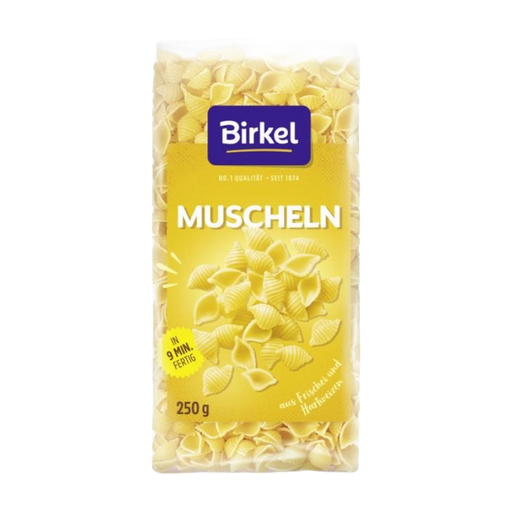
Why this product suits the profile: The 250 g pack is suitable for individual meals, soups or side dishes and offers a straightforward introduction to egg noodles.
The ingredients, allergens and cooking time of around 9 minutes are clearly stated. This makes it easy to compare the pasta with your planned recipe before buying.
Durum wheat semolina with 10% fresh egg; shell shape for soups and sauces.
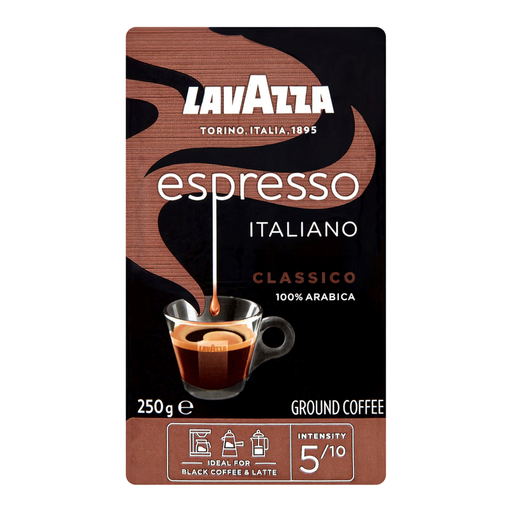
Why this product suits the profile: This 100% ground Arabica coffee, with an intensity of 5/10, is intended for use in a moka pot or with a filter.
The suitable preparation method and recommended dry, dark storage conditions are stated. This reduces the risk of buying a blend of beans or the wrong grind for your machine.
Ground coffee; suitable for moka pots and filter preparation; 250 g pack.
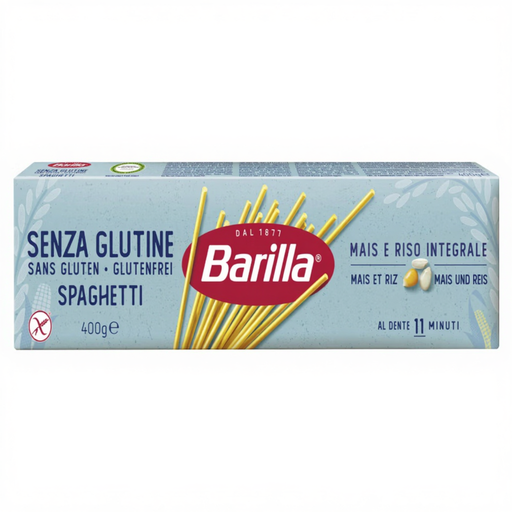
Why this product suits the profile: According to the product information, this spaghetti is made from maize and rice flour and is intended for shoppers following a gluten-free diet.
The ingredients base is clearly specified. If you have coeliac disease or allergies, you should also check the packaging, labelling and any potential cross-contact.
400 g pack; maize and rice blend; classic spaghetti shape.
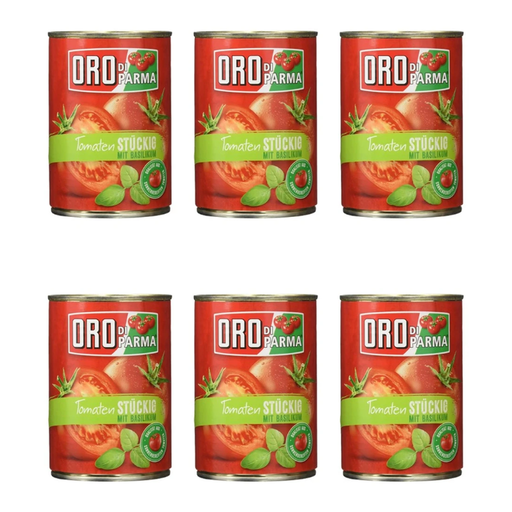
Why this product suits the profile: The six-can multipack is ideal for regular pasta, pizza and vegetable dishes.
The pack size and ingredients, including chopped tomatoes and basil, are clear in advance. This makes it clear that the product is not passata.
Six 400 g cans; basil already included; refrigerate after opening.
For a versatile store cupboard, you can combine several categories:
We have put together a complete, regularly updated list of products that fully meet these strict selection criteria and the safety regulations applicable in the EU.
Dry pasta, spices, coffee and unopened cans can generally be stored for longer. However, the best-before date on the packaging is always the deciding factor. Opened sauces and tomato products must be refrigerated according to the manufacturer’s instructions and used promptly.
Combining your purchases can be more economical than placing several separate orders. Compare pack sizes, delivery conditions and your actual requirements. For store-cupboard products such as pasta, tins and spices, you should also make sure that you have enough dry, dark storage space.
Tomatoes, many spices, sun-dried tomatoes and certain durum wheat or spelt pastas are plant-based. Egg noodles, on the other hand, contain egg. Ready-made sauces and dressing mixes may also contain milk, egg or other allergens. The ingredients list therefore remains the key basis for making your choice.