
Lieferung heute & morgen

Qualitätsgarantie

Willkommens-Angebote freischalten: KOSTENLOSE Lieferung | Bis zu 80 % RABATT | Kostenlose 30-Tage-JoyPlus-Testphase
App herunterladen
The diversity of Italian red wines can be overwhelming. From the sun-drenched hills of Tuscany to the storied vineyards of Veneto, each region offers unique flavour profiles and quality tiers. This guide is designed to help you make an informed decision when you want to buy Italian red wine. We will introduce a selection of wines that represent their origin and production methods, and provide you with practical tips to find the perfect wine for any occasion.
To make the right choice, a basic understanding of the classification system and regional characteristics is helpful.
Italian wines are often labelled with the abbreviations DOC or DOCG. These seals provide information about the wine's origin and its adherence to strict production regulations.
Two of Italy's most famous wine regions are Tuscany and Veneto. Wines from these areas differ significantly in style and taste.
Based on these criteria, we have curated a selection of wines that are characteristic of their respective origins and craftsmanship.
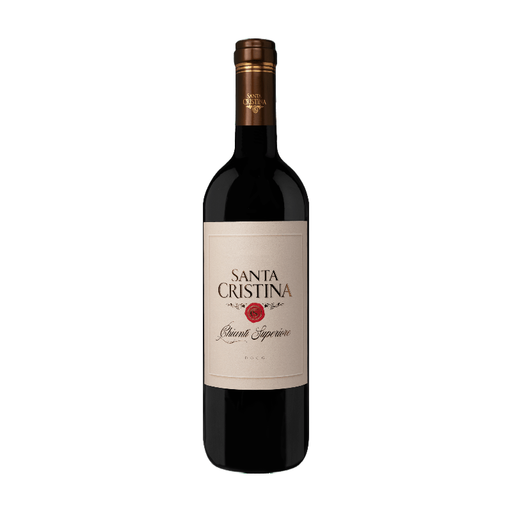
Why It Stands Out This Chianti Superiore from Santa Cristina, a winery with a long tradition, captures the essence of Tuscany. It represents an approachable yet characterful style that appeals to both connoisseurs and newcomers. The vinification process aims to highlight the fruitiness and soft tannins of the Sangiovese grape.
Highlights
Who It's For This wine is an excellent choice for lovers of classic Tuscan reds and for anyone seeking a versatile companion for pasta, pizza, or grilled meats. Its easy-drinking nature makes it ideal for social gatherings.
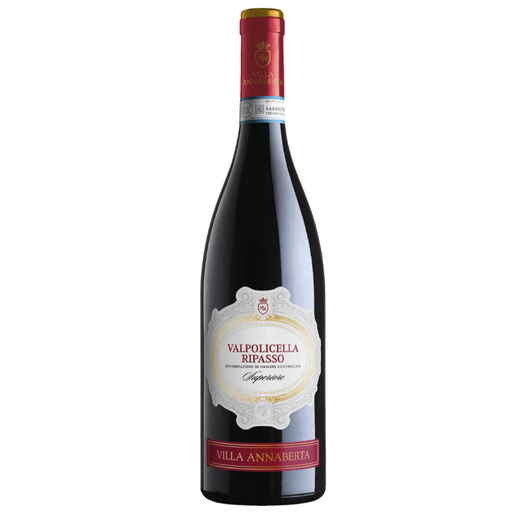
Why It Stands Out This Valpolicella Ripasso is made using the traditional Ripasso method. The young Valpolicella wine undergoes a second fermentation on the pomace of Amarone. This process gives the wine more structure, complexity, and alcohol, making it a bridge between a classic Valpolicella and a powerful Amarone.
Highlights
Who It's For Ideal for wine drinkers who appreciate a powerful yet balanced red wine. It pairs exceptionally well with braised dishes, aged cheese, or as a standalone wine for a special evening.
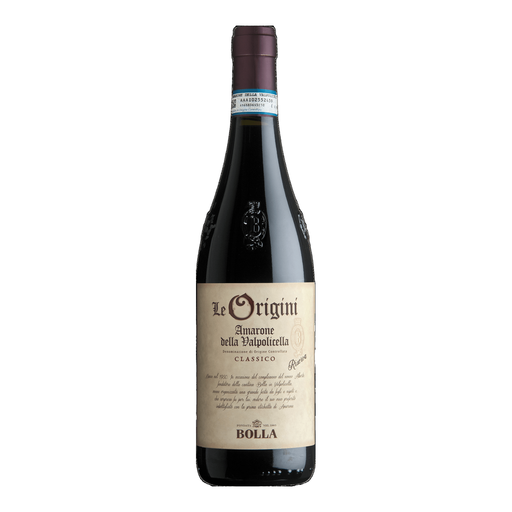
Why It Stands Out This Amarone della Valpolicella is a prime example of the fine art of winemaking in Veneto. It is produced using the Appassimento method, where the grapes are dried for several months before pressing. This concentrates the sugars and aromas, resulting in an exceptionally intense and long-lasting wine. As a DOCG wine and a Riserva, it meets the highest quality standards.
Highlights
Who It's For This Amarone is a wine for special occasions and makes a sophisticated gift. It is aimed at connoisseurs looking for a meditative, profound, and powerful red wine. It pairs perfectly with rich game dishes, dark chocolate, or can be savoured on its own.
The world of Italian wine is rich and diverse. If you wish to discover more high-quality wines from Italy and other renowned wine regions around the globe, you can find a broader selection in our category.
? Discover our entire range of premium wine here
DOCG stands for "Denominazione di Origine Controllata e Garantita" and is the highest quality designation for Italian wines. Wines with this seal must come from a clearly defined geographical area and meet very strict production regulations. Additionally, every DOCG wine is tested and tasted by a state commission before being marketed to guarantee its quality.
Most well-known Italian red wines are dry (in Italian: secco). This includes classics like Chianti Classico, Barolo, Brunello di Montalcino, and most Valpolicella wines. Even an Amarone, despite its intense fruit and high alcohol content, is by definition a dry wine, as the sugar is almost completely converted into alcohol during fermentation.
Both wines come from the Valpolicella region but are produced differently. For an Amarone della Valpolicella, the grapes are dried before pressing (Appassimento), which results in a very concentrated, high-alcohol wine. A Valpolicella Ripasso is a Valpolicella wine that undergoes a second fermentation on the pomace (the skins and seeds) of Amarone. This process adds body, aroma, and complexity, making it the "little brother" of Amarone.