
Lieferung heute & morgen

Qualitätsgarantie

Willkommens-Angebote freischalten: KOSTENLOSE Lieferung | Bis zu 80 % RABATT | Kostenlose 30-Tage-JoyPlus-Testphase
App herunterladen
Anyone looking to buy Italian wine online will quickly find a wide selection of white, rosé, red and sparkling wines. However, your decision should not be based solely on the stated origin, bottle design or promotional tasting descriptions. Reliable product information is what really matters, including the wine type, sweetness level, alcohol content, volume, closure and pack size.
A wine from Veneto, Tuscany, Sicily or Apulia can cover a wide range of styles. The region alone therefore does not tell you whether it is a dry, medium-dry or sweet Italian wine. If you choose solely by area of origin, you may receive a bottle that does not suit your taste or the meal you have planned.
Buying Prosecco does not automatically mean that every bottle will have the same character. Prosecco DOC is made from the Glera grape and is available as Spumante or Frizzante. Spumante generally has more pronounced bubbles, while Frizzante is usually more lightly sparkling. Terms such as Brut, Extra Dry, Demi-Sec and Dolce also describe different sweetness levels.
A six-bottle wine pack often contains six bottles of 0.75 litres each. There are also larger 1-litre bottles and individual 0.75-litre bottles. For a gift or a smaller household, an individual bottle is more flexible. For parties, regular aperitifs or a shared order, an Italian wine selection may be more practical. Comparing the price per litre allows for a more objective assessment.
An Italian white wine made from Chardonnay, Pinot Grigio, Glera or regional grape varieties can vary in freshness, body and flavour profile. Pinot Grigio and Chardonnay are often served with light dishes, salads or fish. An Italian red wine made from Primitivo, Sangiovese or other red grape varieties is generally better suited to more robust dishes, although the specific style of the product remains the deciding factor.
When choosing rosé wines, it is worth checking the grapes used and the wine’s origin. An Italian rosé wine may be fruit-forward, dry or medium-dry. The information on the product label is therefore more important when choosing than a general association with a particular region.
The terms on the label should not be overlooked:
Specific values are provided for some products. Casasole Orvieto DOC, for example, has a residual sugar content of 32 g/l and is described as pleasantly sweet. Abbazia Asti Spumante contains 8.8 g of sugar per 100 ml and is listed as “Dolce”. Information like this helps you assess the product description more accurately.
Depending on the style, the alcohol content of the products featured ranges, for example, from 7.5 to 12.5% vol.. At 7.5% vol., Asti Spumante is lighter than many classic sparkling wines, while Trentodoc products such as Ferrari Brut have an alcohol content of 12.5% vol.
Unopened sparkling wines should be stored in a cool, dry place away from direct sunlight. For many Italian sparkling wines, the recommended serving temperature is between 6 and 8°C, while Frizzante and rosé are often best served between 8 and 10°C. The bubbles change after opening, so opened bottles should be consumed promptly and resealed if necessary.
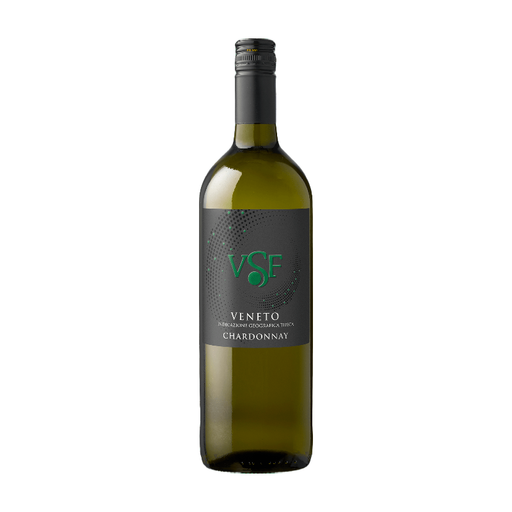
Why this product suits the profile: The 1-litre bottle offers a practical larger format for casual meals and social gatherings. The Chardonnay comes from Veneto, is matured in stainless steel tanks and has an alcohol content of 12.0% vol.
The volume, closure, IGT quality classification and alcohol content are clearly stated. This makes it easy to compare the bottle objectively with 0.75-litre alternatives.
1 litre of wine, screw cap, 12.0% vol. and stainless steel tank maturation.
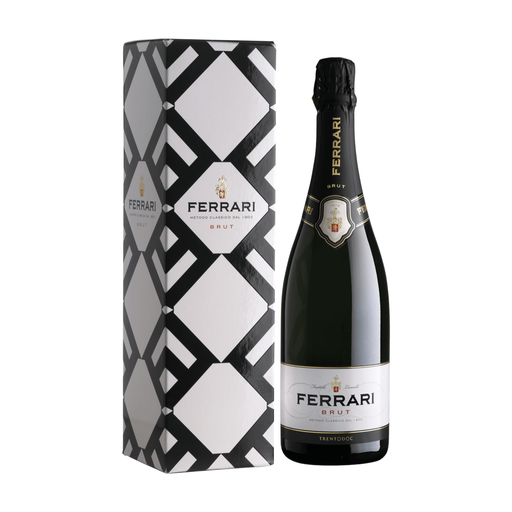
Why this product suits the profile: This sparkling wine from Trento is made from Chardonnay and has an alcohol content of 12.5% vol. and 7.0 g/l of residual sugar. These details suit buyers who want to assess the production method and style more closely.
The Trentodoc designation, grape variety, residual sugar, acidity and storage advice are all clearly specified in the product profile.
Chardonnay grape variety, 12.5% vol., 7.0 g/l residual sugar and natural cork.
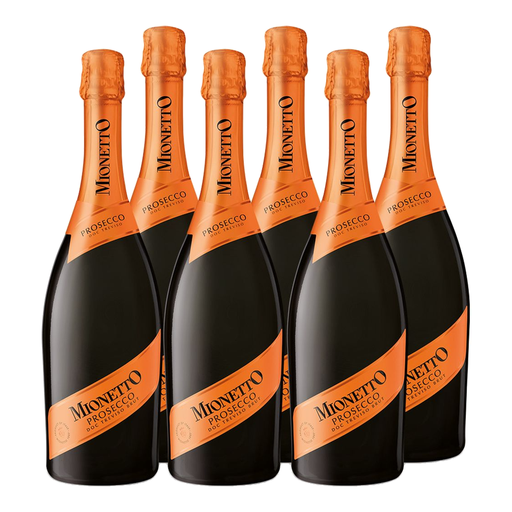
Why this product suits the profile: The six-bottle pack contains 4.5 litres in total, making it suitable for aperitifs, parties or regular use. The Prosecco comes from Veneto, contains 11% vol. and should be served chilled at 6–8°C.
The pack size, individual bottle volume, origin, Glera grape variety and Brut style are all clearly stated.
Six 0.75-litre bottles, Prosecco DOC, Brut, 11% vol. and a serving temperature of 6–8°C.
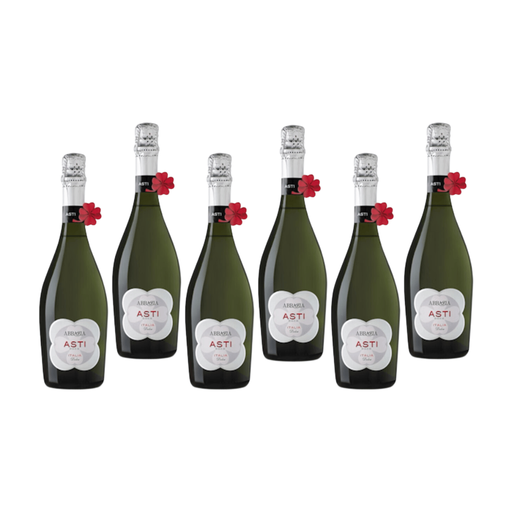
Why this product suits the profile: This Asti Spumante is offered as a sweet Dolce sparkling wine made from Moscato, with an alcohol content of 7.5% vol. According to the product information, it is suitable with fruit desserts and mild cheese.
The Dolce designation, Moscato grape variety, alcohol content and recommended serving temperature of 6–8°C make the style clear before purchase.
Sweet style, Moscato, 7.5% vol. and six-bottle pack with 0.75-litre bottles.
For an aperitif, Prosecco DOC, Italian sparkling wine or a light Frizzante are often suitable choices. If you want to buy Frizzante, pay attention to the sweetness level and alcohol content. A product such as La Gioiosa Bianco Vino Frizzante is described as fruity, refreshing and demi-sec, with an alcohol content of 10% vol.
Regional information can provide useful guidance when choosing wine to serve with food: Wine from Veneto includes Chardonnay, Pinot Grigio and Prosecco, among others. Wine from Tuscany is also available as rosé, for example Santa Cristina Giardino Rosé Toscana IGT. Wine from Sicily is represented by varieties such as Grillo, while wine from Apulia is an option for rosé wines such as Primitivo Rosato.
Also look out for the statement “contains sulphites”. This legally required declaration appears on the wines mentioned above. In Germany, alcoholic drinks must not be sold to anyone below the legal minimum age. Pregnant and breastfeeding people should avoid alcoholic drinks.
We have put together a complete, regularly updated list of products that fully meet these strict selection criteria and the safety regulations applicable in the EU.
Start with the wine type, sweetness level and alcohol content. A fruity white wine, rosé or medium-dry Frizzante may be more approachable than a very dry or full-bodied red wine. Product information about the grape variety and residual sugar makes choosing easier.
You can only determine this by comparing the total price and the price per litre. A six-bottle pack usually offers a consistent selection and is practical when serving several guests. For occasional enjoyment, an individual 0.75-litre bottle may be more flexible.
After opening, sparkling wine gradually loses its carbonation. Seal the bottle securely, store it in a cool place and consume it promptly. The specific instructions from the relevant producer on the product label take precedence.