
Lieferung heute & morgen

Qualitätsgarantie

Willkommens-Angebote freischalten: KOSTENLOSE Lieferung | Bis zu 80 % RABATT | Kostenlose 30-Tage-JoyPlus-Testphase
App herunterladen
Japanese cuisine has become increasingly popular in the UK. However, anyone wanting to prepare authentic dishes at home or enjoy special Japanese snacks often faces a challenge: the selection in local supermarkets is limited, and buying online comes with its own set of problems. Many products marketed as "Japanese" turn out to be imitations with questionable ingredients upon closer inspection. This guide will help you separate the wheat from the chaff and choose the right products for your needs.
Before you fill your shopping basket, you should be aware of two common issues that can lead to disappointment:
To ensure you receive high-quality and authentic Japanese groceries, it's wise to check a few key parameters before buying. A good Asian supermarket online will provide this information transparently.
A crucial factor for authentic taste is the origin of the ingredients and the final product. If you want to start cooking Japanese food, pay attention to basic seasonings like dashi. A good dashi powder is based on fish or seaweed extracts (e.g., bonito, kombu) and not primarily on salt and monosodium glutamate.
The range of Japanese foods is diverse. To find the right product, it helps to know the differences:
To make your choice easier, we have matched some products to different user profiles.
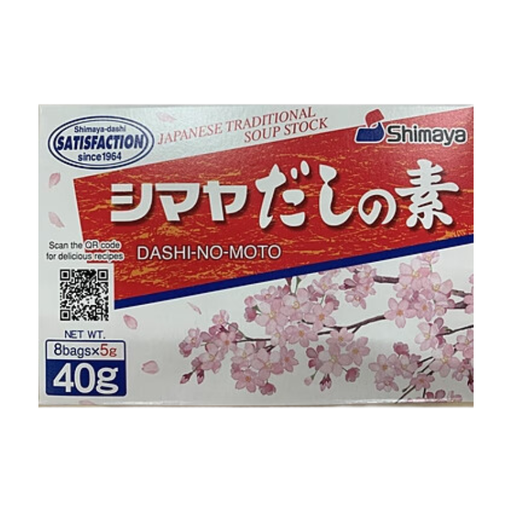
Why This Fits Their Persona: This product is the foundation for countless authentic dishes. It delivers the essential umami flavour for miso soup, noodle broths, and stews without you having to spend hours making a stock from scratch.
The ingredient list explicitly names dried fish powder as the base, which indicates a traditional dashi foundation rather than relying solely on flavour enhancers.
The granules are easy to portion and have a long shelf life. The convenient 5g sachets ensure consistent quality.
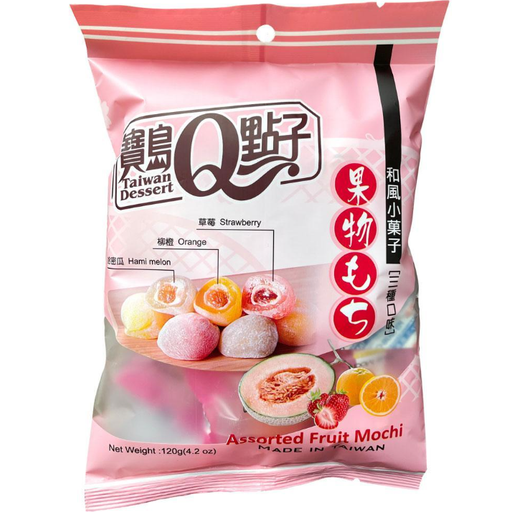
Why This Fits Their Persona: Ideal for anyone looking to discover the variety of Japanese sweets. This pack offers a mix of different fruit fillings (strawberry, orange, melon) and is perfect as a small treat with tea or on the go.
The soft, elastic texture of the glutinous rice dough is maintained with proper storage. The ingredient list provides details on the use of fruit juices for the fillings.
The bite-sized portions and assorted flavours offer variety in a single pack. The consistency is pleasantly soft and chewy.
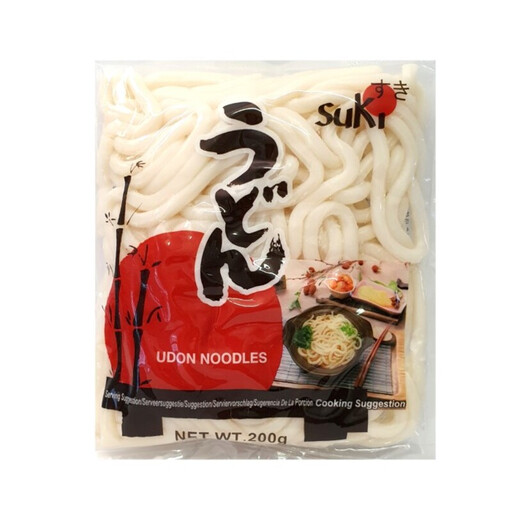
Why This Fits Their Persona: These udon noodles are the perfect base for a quick and satisfying meal. They cook in just a few minutes and can be used versatilely for soups, stir-fries, or cold noodle salads.
The recipe is stripped down to the essentials: wheat flour, water, and salt. This ensures a pure taste and an authentic, firm texture without unnecessary additives.
The noodles are pre-cooked and vacuum-sealed, which allows for a quick preparation time and preserves freshness. The 200g portion is ideal for one person.
We have compiled a full, up-to-date list of products that fully meet these strict selection criteria and UK regulations.
Look for three main features: the country of origin (ideally Japan), a short and understandable ingredient list without excessive flavour enhancers, and a transparent product description that clearly explains its intended use. A reputable online retailer will provide this information on the product page.
Most mochi should be stored in a cool, dry place and consumed quickly after opening to maintain their soft texture. Avoid direct sunlight and heat. Some products, especially those without preservatives, may need to be refrigerated. Always follow the storage instructions on the packaging.
Dashi is a fundamental Japanese stock known for its deep umami flavour. Unlike European broths, which are often based on meat or vegetables, traditional dashi is made from ingredients like kombu (seaweed) and katsuobushi (dried bonito flakes). This gives it a unique, subtle sea aroma that forms the base for many Japanese soups and sauces.