
Lieferung heute & morgen

Qualitätsgarantie

Willkommens-Angebote freischalten: KOSTENLOSE Lieferung | Bis zu 80 % RABATT | Kostenlose 30-Tage-JoyPlus-Testphase
App herunterladen
The fascination with Japanese cuisine is steadily growing. More and more home cooks want to prepare authentic dishes like ramen, sushi, or miso soup at home. However, buying the necessary Japanese groceries online can quickly become overwhelming. As your Joybuy Product Recommendation Officer, I'll help you navigate the common pitfalls and find the right ingredients for your culinary project.
Before you fill your shopping cart, you should be aware of the common issues that can lead to disappointment and unnecessary expense.
To avoid these mistakes, focus on a few crucial product characteristics. This will ensure you select the right Japanese ingredients for your cooking project.
Dashi is a foundational broth that provides the signature umami flavour. Before you buy dashi, you should know the main types:
Dashi is available in various forms: as dashi powder, which allows for flexible dosing, or as a liquid tsuyu concentrate, which is often already enhanced with soy sauce, mirin, and sugar and is ideal for noodle soups (ramen, udon).
A miso soup is only as good as the paste used. The colour indicates the fermentation time and flavour profile:
If you want to cook Japanese food with a specific goal in mind, certain ingredients are crucial:
Here are some product recommendations tailored to different needs and experience levels.
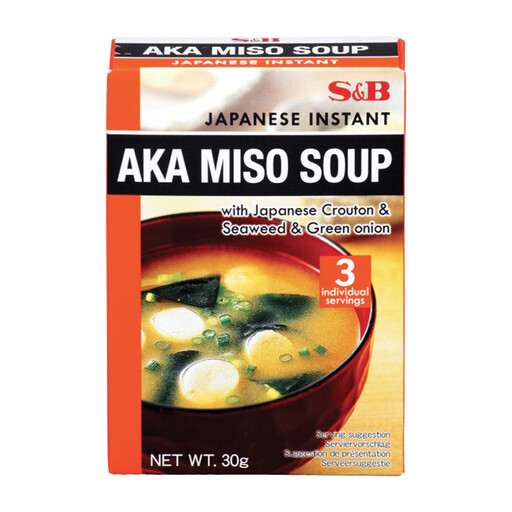
Why This Fits Their Persona: Ideal for busy professionals or cooking novices who want to enjoy an authentic miso soup without the effort. Perfect for a quick, warming meal at the office or at home.
The clear "Instant" labelling prevents false expectations. It's an honest, practical product that offers a low-cost way to experience the robust flavour of aka miso without having to invest in large quantities.
Ready in seconds; already contains classic additions like wakame seaweed and spring onions.
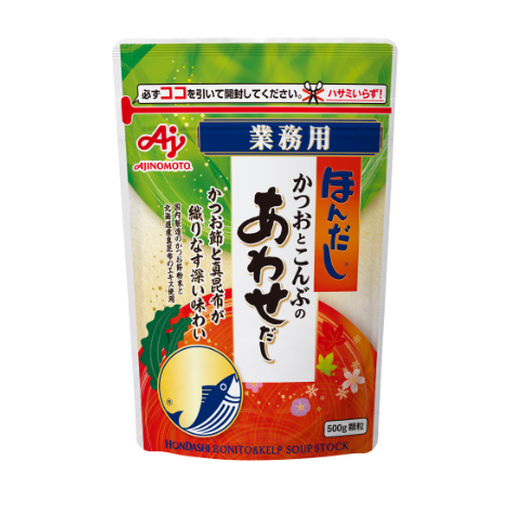
Why This Fits Their Persona: Anyone who wants to cook versatile Japanese dishes regularly needs a reliable umami base. This dashi powder combines bonito and seaweed for a deep, complex flavour and is the foundation for countless recipes.
This is an established brand-name product from Japan that specifies a clear flavour profile (Awase Dashi). It solves the dashi dilemma by providing a balanced, versatile broth that serves as an authentic base.
Concentrated umami flavour from bonito and konbu; very economical and offers flexible dosing for soups, stews, and stir-fries.
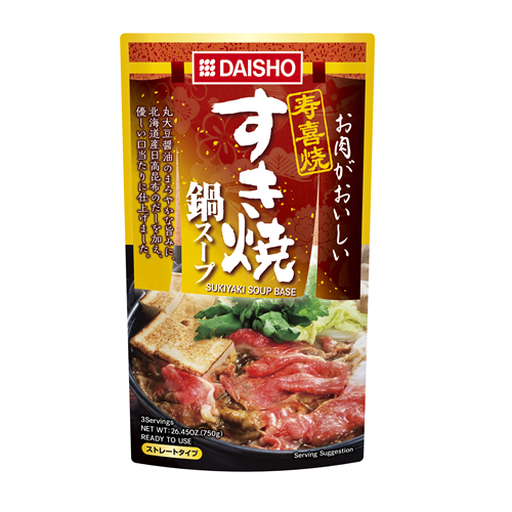
Why This Fits Their Persona: Perfect for anyone who wants to create an authentic sukiyaki (Japanese hot pot) experience at home without having to make the complex, sweet-and-savoury broth from scratch.
Instead of an unsuitable all-purpose soy sauce, you get a soup base specifically developed for sukiyaki. This guarantees a foolproof and flavour-balanced result, sidestepping the "authenticity" trap.
Ready-to-use, perfectly seasoned broth. You just need to add your preferred ingredients like meat, tofu, and vegetables.
We've compiled a complete, up-to-date list of products that fully meet these strict selection criteria and all relevant regulations.
Dashi powder is a dry granulate that is dissolved in hot water. It is very flexible, as you can control the intensity yourself and use it as a dry seasoning for various dishes. Tsuyu is a liquid concentrate that, in addition to dashi, often already contains soy sauce, mirin, and sugar. It is typically diluted with water and used as a ready-made soup base for noodles like soba or udon.
Most fermented products like miso paste and soy sauce can be kept for several months in the refrigerator after opening. Miso paste may darken over time, but this is a natural process and does not necessarily diminish its quality. Dashi powder should be stored in a dry, airtight container. Always follow the storage instructions on the product packaging.
Yes, absolutely. The base for many vegetarian dishes is Konbu dashi, a broth made from seaweed. There are also dashi varieties based on shiitake mushrooms. Products like Ajinomoto Hondashi Konbudashi are explicitly labelled as fish-free and are an excellent umami foundation for vegan and vegetarian dishes. Many recipes can be easily adapted by swapping meat for tofu, mushrooms, or vegetables.