
Lieferung heute & morgen

Qualitätsgarantie

Willkommens-Angebote freischalten: KOSTENLOSE Lieferung | Bis zu 80 % RABATT | Kostenlose 30-Tage-JoyPlus-Testphase
App herunterladen
Buying Japanese groceries online can be a journey of discovery, but it can also lead to disappointment. Many products advertise an "authentic taste," but not all of them deliver on that promise. As a Joybuy Product Recommendation Officer, I see the hurdles shoppers face every day. This guide is designed to help you make informed decisions and find the perfect products for your kitchen.
Before you fill your cart, be aware of three common issues that often lead to buyer's remorse:
To avoid these pitfalls, focus on three objective criteria. These will help you assess a product's quality and suitability.
The label is your most important source of information. Pay close attention to the exact composition and the manufacturer.
Not all noodles are created equal. Choosing the wrong type is a common mistake when trying to replicate Japanese dishes.
Some Japanese specialities require specific storage conditions.
Here are some product recommendations tailored to different needs and use cases.
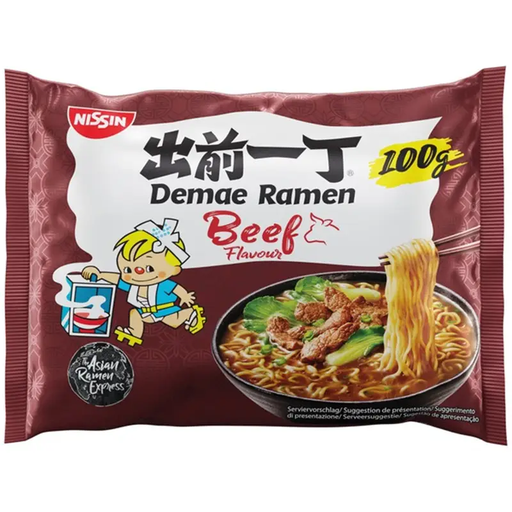
Why This Fits Their Persona: Ideal for students or professionals looking for a quick, straightforward, and affordable meal. It takes just a few minutes to prepare and delivers a familiar, savoury flavour.
This product doesn't promise a gourmet experience but delivers a reliable base. The Nissin brand is well-known, and the ingredients are clearly declared, which prevents false expectations.
Extremely fast preparation (3 minutes); flavourful beef broth and a separate seasoning oil for extra taste.
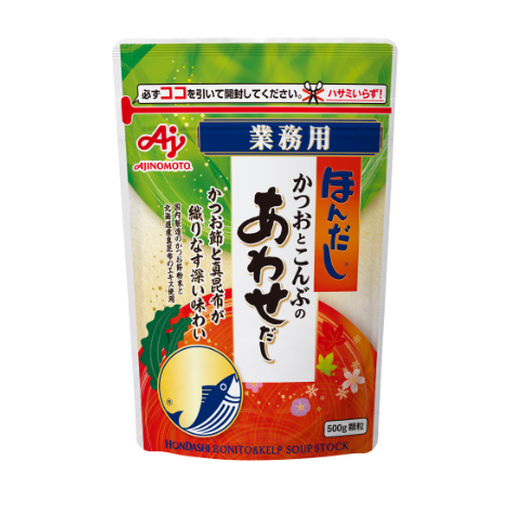
Why This Fits Their Persona: For anyone who wants to prepare authentic Japanese dishes from scratch. This dashi granulate is the foundation for countless recipes like miso soup, noodle broths, or oden.
It solves the problem of vague ingredients. Instead of a generic "seasoning," you get a specific product (dashi) from a leading Japanese brand (Ajinomoto) with clear ingredients (bonito and kelp).
Creates an authentic umami foundation for many dishes; the 500g package is economical and well-suited for regular use.
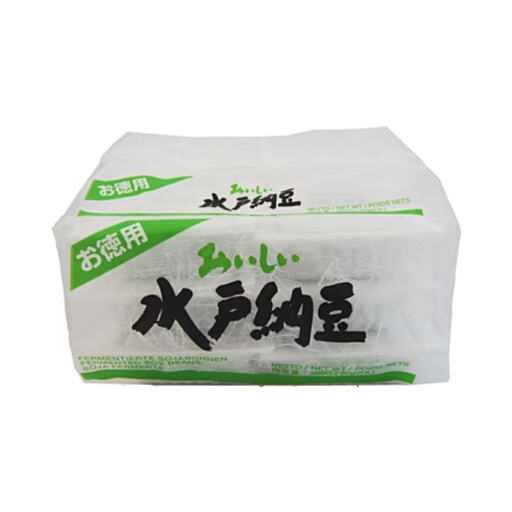
Why This Fits Their Persona: For adventurers who want to dive deep into Japanese food culture. Natto is a traditional breakfast dish with a very distinct, intense flavour and a unique texture.
This is a niche product that makes no false promises. The description is clear: fermented soybeans. The need for frozen storage is explicitly mentioned, correctly informing the buyer.
Offers an authentic, traditional taste experience; includes sauce and mustard for classic preparation.
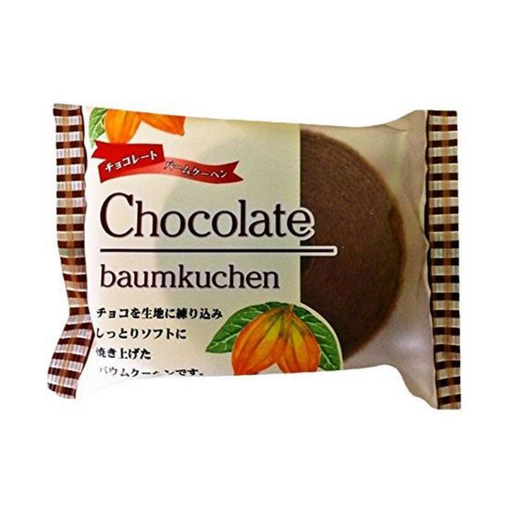
Why This Fits Their Persona: For anyone curious to try Japanese sweets that offer a different experience from Western baked goods. This Baumkuchen combines a familiar shape with a uniquely soft, Japanese texture.
The product description is transparent about its fusion of "German tradition and Japanese craftsmanship." It doesn't claim to be a purely traditional Japanese product, which correctly sets expectations.
Very soft, multi-layered texture; rich chocolate flavour; convenient single-serving portion for on the go or with coffee.
We have compiled a complete, up-to-date list of products that fully meet these strict selection criteria and all regulatory standards.
1. What is the difference between miso and dashi?Dashi is a fundamental broth that serves as the base for many Japanese dishes. It's typically made from kombu (kelp) and katsuobushi (bonito flakes) and provides the umami flavour. Miso is a fermented soybean paste used for seasoning, most famously in miso soup. In short, dashi is the broth, and miso is the seasoning stirred into it.
2. How do I properly store Japanese foods like natto or fresh noodles?Natto must be stored frozen at -18°C (0°F). Once thawed, it should be kept in the refrigerator and consumed within a few days. Fresh or pre-cooked noodles (like udon or yakisoba in vacuum packs) should be stored in a cool, dry place and used immediately or refrigerated after opening. Always follow the specific instructions on the packaging.
3. Are Japanese instant noodles a complete meal? By themselves, Japanese instant noodles are more of a quick and simple base. To upgrade them into a more nutritious meal, you can easily add ingredients like a boiled egg, spring onions, corn, bamboo shoots, nori sheets, or thinly sliced meat.