
Lieferung heute & morgen

Qualitätsgarantie

Willkommens-Angebote freischalten: KOSTENLOSE Lieferung | Bis zu 80 % RABATT | Kostenlose 30-Tage-JoyPlus-Testphase
App herunterladen
When you want to order Japanese sake online, you're often confronted with a wall of unfamiliar terms and a bewildering selection. Many labels use flowery descriptions that reveal little about the actual contents. This frequently leads to two problems: you either invest in a premium-priced bottle whose subtle nuances you can't fully appreciate, or you end up with an unsuitable product that sours your first experience with this traditional Japanese rice wine.
A common misconception is that a higher price or a "Daiginjo" classification automatically guarantees a better product for every palate. Another pitfall is overlooking the taste profile information, which can lead to purchasing a very dry sake when you would have preferred a fruity, sweet note. This guide will help you navigate these hurdles and make an informed decision.
To find the right sake for you, it helps to understand three key parameters. These objective criteria provide a reliable guide that goes beyond marketing promises.
The quality and character of a sake are largely determined by the Rice Polishing Ratio (Seimai-buai). This value indicates what percentage of the original rice grain remains after polishing. The lower the percentage, the more of the outer layer (which contains fats and proteins) has been removed, generally resulting in a finer and more aromatic flavour.
The Sake Meter Value (SMV) or Nihonshu-do (日本酒度) is a scale that indicates the relative sugar content and provides a good orientation for sweetness or dryness.
Additionally, the acidity level plays a role. A higher acidity can make a sweeter sake seem more balanced and a dry sake appear crisper.
Besides the clear, filtered sake varieties, there are other interesting options:
Here are some recommendations tailored to different preferences and occasions.
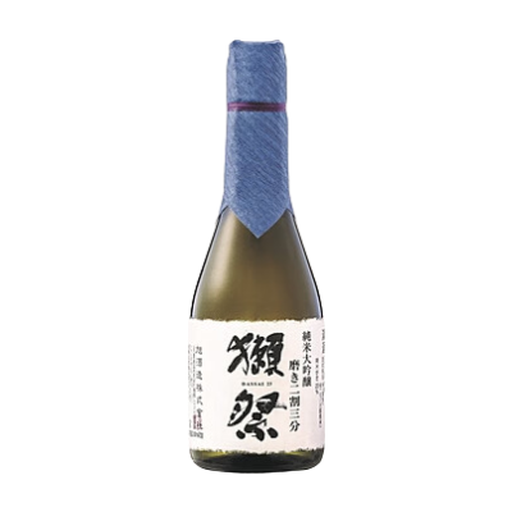
Why This Fits Their Persona: For connoisseurs who want to experience one of the most refined sakes on the market. The Dassai Sake name is synonymous with the highest quality, and this Junmai Daiginjo is the brewery's flagship product. Ideal for special occasions or as an exclusive gift.
Here, the "Junmai Daiginjo" classification is no empty promise. The 23% polishing ratio is an objective, extreme figure that guarantees an exceptionally smooth, clean, and elegant taste.
Offers a silky mouthfeel with delicate fruit aromas and a clean finish. The 15% alcohol content is well-integrated.
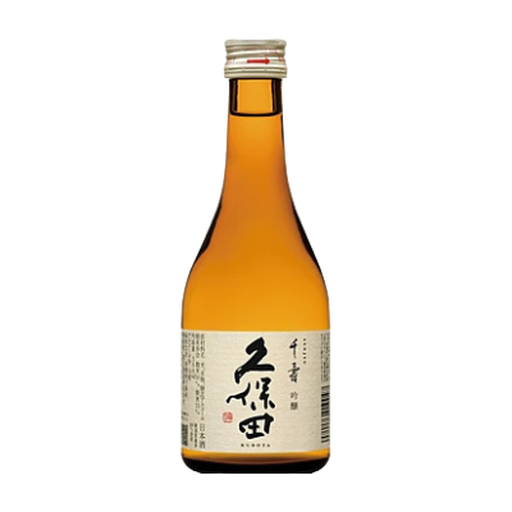
Why This Fits Their Persona: Perfect for anyone looking for a high-quality yet accessible entry point. The Kubota brand is known for its well-balanced sakes, and this Ginjo offers a refined profile without being overwhelming. The 300ml bottle is ideal for a first tasting.
Instead of blindly buying an expensive Daiginjo, this Ginjo offers excellent value. It demonstrates the elegance of a polished sake without breaking the bank.
Offers a light, crisp flavour profile with fruity aromas and a clean finish. Versatile, it can be enjoyed chilled or gently warmed.
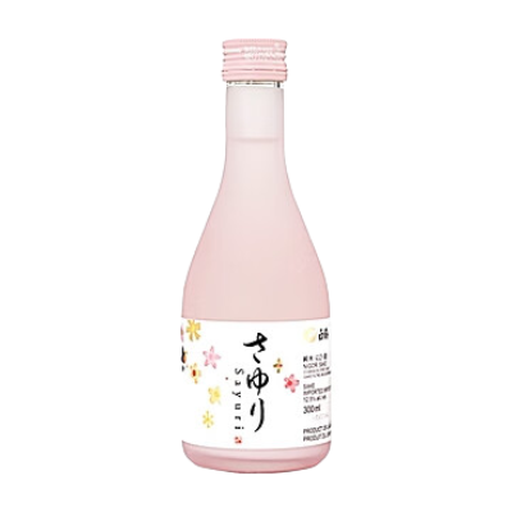
Why This Fits Their Persona: For those looking to discover something new beyond the standard clear sakes. This Nigori Sake offers a completely different mouthfeel and taste experience that is fascinating both visually and on the palate.
This sake avoids the pitfall of only looking for familiar classifications. It makes it clear that the diversity of sake goes far beyond "dry" or "sweet" and that texture also plays a key role.
Features a characteristic creamy texture and a subtly sweet, rich flavour. The 12.5% alcohol content is moderate. Shake gently before serving.
We've compiled a complete, up-to-date list of products that fully meet these strict selection criteria.
Most premium sakes, especially Ginjo and Daiginjo, as well as unpasteurised "Nama" sakes, should be stored in a cool, dark place, ideally in the refrigerator. This preserves their delicate aromas. Once opened, the bottle should always be kept chilled and consumed within a few days to a few weeks, as contact with oxygen will alter the taste. Simpler Junmai or Honjozo sakes are often more robust and can be stored in a cool, dark place outside the refrigerator.
No, not every sake is suitable for warming. Highly aromatic and delicate sakes like Ginjo and Daiginjo are best served chilled, as heat would destroy their complex aromas. In contrast, robust and full-bodied Junmai or Honjozo sakes can often be enjoyed wonderfully when warmed (as "Kanzake"), which enhances their umami notes and richness. Check for recommendations on the label or in the product description.
The polishing ratio (Seimai-buai) is a measure of the quality of the rice used for sake production. A value of 60% means that 40% of the outer layers of the rice grain have been polished away. These outer layers contain fats, proteins, and minerals that can lead to undesirable off-flavours during fermentation. Polishing exposes the pure starch core of the rice, resulting in a cleaner, finer, and often more aromatic final product. A lower polishing ratio is therefore often an indicator of a premium sake.