
Lieferung heute & morgen

Qualitätsgarantie

Willkommens-Angebote freischalten: KOSTENLOSE Lieferung | Bis zu 80 % RABATT | Kostenlose 30-Tage-JoyPlus-Testphase
App herunterladen
If you’re looking to buy Japanese sake, you’ll find a wide choice online, with different bottle sizes, rice varieties and classifications. For beginners, it isn’t always immediately clear whether a product is dry or sweet, light or full-bodied, or best served chilled or warm. Terms such as Junmai sake, Junmai Ginjo and Nigori sake don’t simply describe a quality level; they refer to specific production characteristics.
This buying guide explains what adults in Germany should look for when buying sake online, and which products suit different occasions.
‘Junmai’ refers to sake brewed from rice, water, rice koji and yeast, with no added alcohol. On its own, the term doesn’t tell you whether the sake tastes dry, fruity or robust. For Ginjo sake and Daiginjo sake, the degree to which the rice is polished is one of the factors involved. This can lead to finer aromas, but it doesn’t guarantee that you’ll enjoy the flavour.
Japanese sake is often called Japanese rice wine, but its production differs significantly from that of wine and Chinese rice wine. Chinese varieties may use different types of rice, spices or grains, and may have a higher or lower alcohol content. So, if you’re looking for sake to serve with sushi, check the country of origin, ingredients and specific sake category.
Many types of sake are best enjoyed soon after opening, and should then be stored in the fridge. Particularly delicate, unpasteurised products need to be kept chilled at all times. A 720 ml bottle is suitable for sharing or serving alongside a range of dishes over an evening. A 300 ml bottle is more practical if you’d like to try a style first.
The rice-polishing ratio is a useful technical measure. For example, a product with a polishing ratio of 45% retains 45% of the original rice grain for the brewing process. However, this alone doesn’t tell you whether you’ll enjoy the taste.
The products featured here range from around 5% vol. for sparkling sake to 17.5% vol. for an undiluted, unfiltered Daiginjo. Classic bottles often fall within the range of around 14 to 16% vol.
Whether sake is served chilled, at room temperature or gently warmed depends on the style and product guidance. Fruity Ginjo and Daiginjo varieties are often served chilled, while some Junmai varieties can also be enjoyed at room temperature or warm. Always follow the instructions on the label.
Before buying, check:
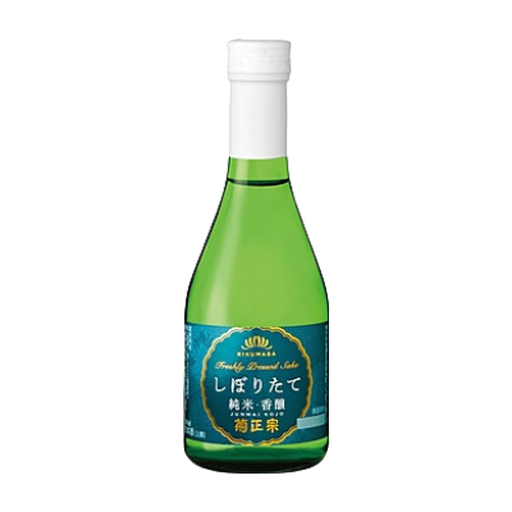
Why this product suits this preference: The 300 ml bottle keeps the quantity manageable and is a good way to try a traditional Junmai style. The stated alcohol content is 15% vol.
The smaller bottle means you’re less likely to open a large bottle before you know whether you like the style. The product description notes that it is unpasteurised, so follow the storage instructions carefully.
300 ml bottle; 15% vol.; Junmai category with a traditional style.
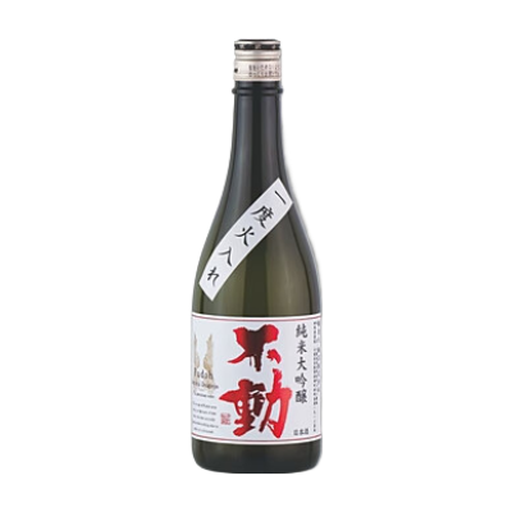
Why this product suits this preference: The 720 ml bottle is a good choice for sharing at a tasting or serving on a special occasion. It is described as a Junmai Daiginjo style with an alcohol content of 15.8% vol.
The category and alcohol content are clearly stated. Rather than relying solely on terms such as ‘premium sake’, buyers can compare bottle size, style and storage requirements.
Junmai Daiginjo; 720 ml; 15.8% vol.; listed as being from Japan.
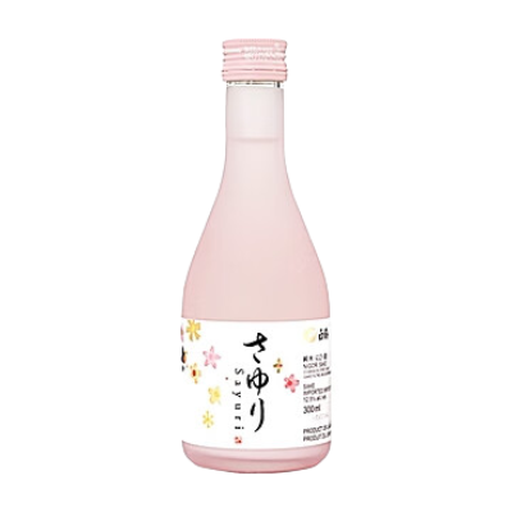
Why this product suits this preference: Nigori sake contains fine rice sediment, giving it a visibly cloudy appearance and a creamier texture. The 300 ml bottle is suitable for individual tastings or as a sake gift.
You won’t mistake this for clear sake. The natural sediment is part of the product; according to the instructions, gently shake the bottle before serving.
Nigori Junmai style; 12.5% vol.; 300 ml; refrigeration after opening is recommended.
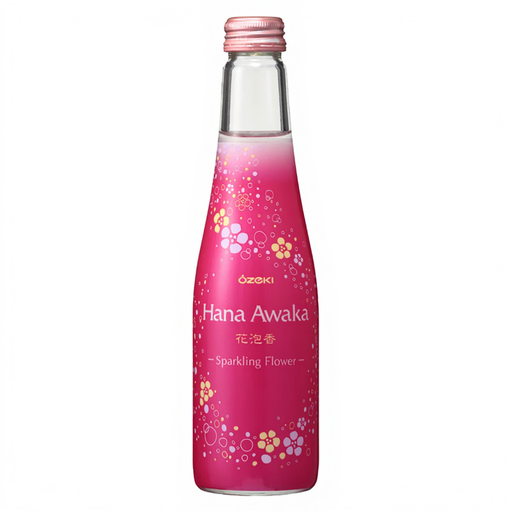
Why this product suits this preference: With an alcohol content of 5% vol. and a 250 ml bottle, this sparkling sake is a good choice for a chilled aperitif or a small toast.
The lower alcohol content and smaller bottle clearly distinguish it from classic sake, which is around 15% vol. This makes it easier to decide how you plan to enjoy it before you buy.
250 ml; 5% vol.; carbonated; product description recommends serving chilled.
We’ve put together a complete, regularly updated list of products that meet these strict selection criteria and fully comply with the safety regulations in force in the EU.
For sake with sushi, clear, fruity or dry varieties are often a good choice, as they won’t overpower the natural flavours of the fish and rice. A Junmai Ginjo such as Hakutsuru Superior Junmai Ginjo 720 ml is recommended chilled with seafood and light starters, according to the product description.
More robust Junmai varieties can work well with tempura, teriyaki or grilled dishes. Nigori sake, with its creamy texture, is often chosen when you’re after a softer, slightly sweet flavour. There’s no one-size-fits-all pairing; personal preference and the seasoning of the food are what matter.
Sake should ideally be consumed soon after opening. Keep the bottle tightly sealed and follow the product’s storage instructions, which often recommend refrigeration. Unpasteurised varieties require particularly careful chilling and attention to use-by guidance.
A 300 ml bottle is a practical choice if you’d like to try a variety first. A 720 ml or 750 ml bottle is better suited to sharing, serving with a meal or holding a tasting. If you’re buying sake as a gift, choose the size to suit the occasion and the number of recipients.
Sake is traditionally brewed in Japan from rice, water, rice koji and yeast. Chinese rice wine is a different product category, with its own production methods and recipes. Check the origin, ingredients, alcohol content and serving recommendations before you buy.