
Lieferung heute & morgen

Qualitätsgarantie

Willkommens-Angebote freischalten: KOSTENLOSE Lieferung | Bis zu 80 % RABATT | Kostenlose 30-Tage-JoyPlus-Testphase
App herunterladen
If you’re looking to buy Japanese sake, you’ll find a wide online selection of Junmai, Ginjo, Nigori and sparkling sake. The names may seem similar at first, but they refer to different brewing methods, flavour profiles and serving recommendations. Bottle size, alcohol content and storage conditions can also affect whether a product is right for the occasion.
As a Joybuy Product Recommendation Officer, I focus on the key facts and group them by typical buyer profile. This makes it easier to distinguish marketing terms from verifiable product details.
Terms such as Junmai Daiginjo, Junmai Ginjo and Ginjo Sake relate, among other things, to how the sake is made and how much the rice is polished. A higher polishing ratio doesn’t automatically mean you’ll prefer the taste. Ginjo sake is often associated with fruitier aromas, while Junmai products can bring out the character of the rice, water and koji more strongly.
So, don’t look at the name on the label alone. Consider the variety, alcohol content, polishing ratio and recommended serving temperature together.
Not all sake should be stored in the same way. Some products should be kept cool or refrigerated, while others can be stored unopened at room temperature, away from direct sunlight. Nama, or unpasteurised sake, is particularly delicate and should be kept in the fridge as directed on the packaging.
If you’re planning to buy sake online, check that you have enough space to store it properly, and find out how soon the bottle should be consumed once opened.
Japanese rice wine is a familiar, but simplified, way of describing sake. Not every product with ‘sake’ in its name is intended to be drunk on its own. Cooking sake may contain salt, seasonings or other ingredients, and is intended for sauces, marinades and soups.
One example is HINODE Cooking Sake 400 ml. According to the product details, it contains salt and soya, among other ingredients, and is specifically intended for seasoning. When choosing sake to drink, look for terms such as Junmai, Ginjo, Daiginjo, Nigori or Sparkling Sake.
The proportion of polished rice is important for Ginjo and Daiginjo sake. For example, the Asahi Shuzo Dassai 45 300 ml is listed with a polishing ratio of 45%. This means that 45% of the rice grain remains. It’s a brewing specification, not a guarantee of a particular flavour.
Junmai sake is made without added alcohol. Junmai Ginjo and Junmai Daiginjo combine this pure rice base with the respective Ginjo or Daiginjo requirements. Details about aroma, body, sweetness, acidity and serving temperature can also help you choose.
Many classic sake products contain around 14 to 17 % vol. Sparkling sake can have a considerably lower alcohol content. The Ozeki Hana Awaka Sparkling Sake Ex 250 ml is listed at 5 % vol. in a 250 ml bottle.
300 ml sake bottles can be a handy choice for a tasting or a single evening. A 720 ml bottle is better suited to sharing with several people, serving with a meal or enjoying regularly. Examples include Kubota Senju Ginjo in 300 ml and 720 ml bottles, along with various Junmai and Daiginjo bottlings.
Nigori sake contains fine rice particles, giving it a milky or cloudy appearance. The Sayuri Nigori Junmai 300 ml comes with a recommendation to shake the bottle gently. The sediment is part of the product’s character. Once opened, the bottle should be refrigerated and consumed promptly.
Sparkling sake, by contrast, is defined by its carbonation and often has a lower alcohol content. It could be a good choice for a reception, as an aperitif or as a sake gift for someone who prefers light, fizzy drinks.
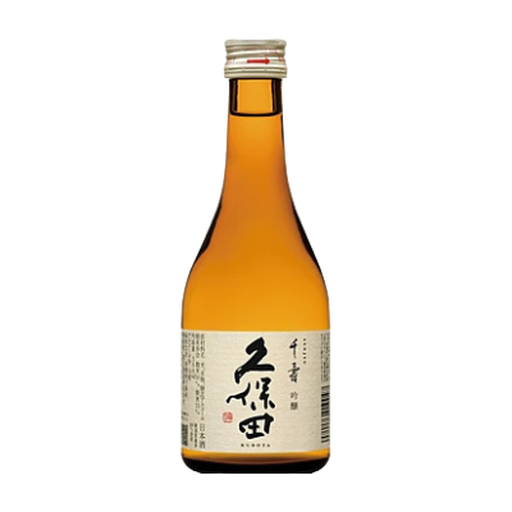
Why this product suits this profile: The 300 ml bottle offers an approachable way to try sake without committing to a larger bottle. The product details list an alcohol content of 15.6 % vol. and describe its profile as clear and mild.
The smaller bottle reduces the risk of buying more than you need before you know whether Ginjo sake is to your taste.
300 ml bottle, 15.6 % vol., made in Japan and recommended for serving chilled.
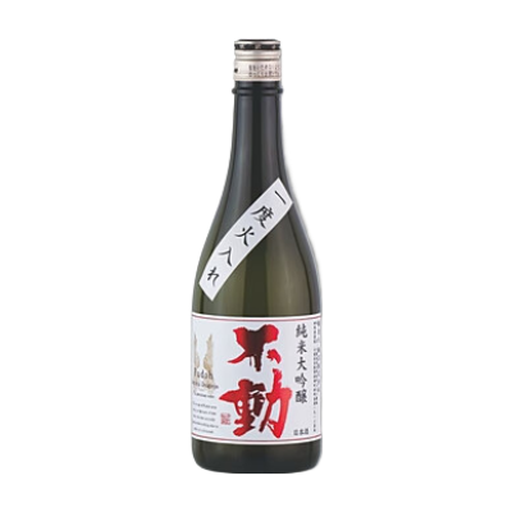
Why this product suits this profile: The 720 ml bottle is aimed at sake enthusiasts looking for a Junmai Daiginjo to serve with a meal or on a special occasion.
The product page lists the alcohol content, origin, storage advice and bottle size. This helps you choose based on specific details rather than marketing language alone.
Junmai Daiginjo category, 15.8 % vol., 720 ml and a recommendation to store chilled.
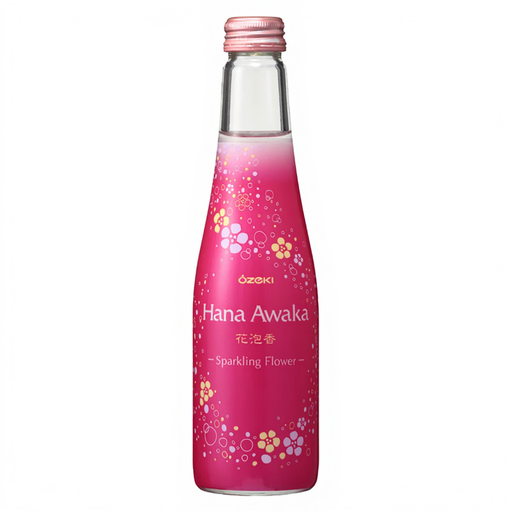
Why this product suits this profile: This small, sparkling bottle is a good fit for receptions, gift sets or anyone who prefers a lighter style of sake.
Its stated alcohol content of 5 % vol. makes it clear that you’re not choosing a classic sake with a higher alcohol content for the occasion.
250 ml bottle, 5 % vol., gentle carbonation and a recommendation to serve chilled.
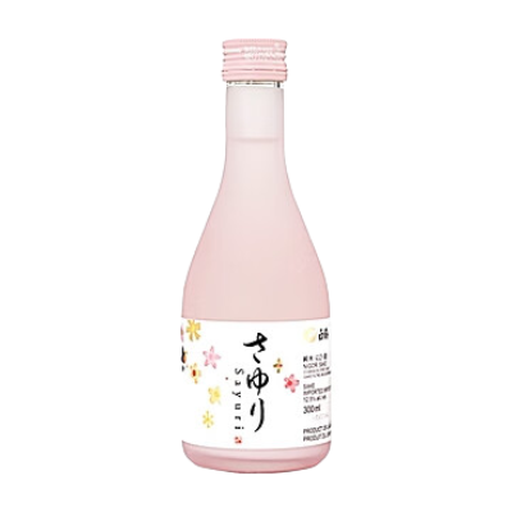
Why this product suits this profile: The 300 ml bottle is ideal for sushi evenings or a small tasting. Its cloudy appearance and rice sediment set it apart from sake that has been filtered until clear.
The product description specifically mentions the natural sediment and advises shaking the bottle gently. That way, you won’t mistake its cloudy appearance for a quality issue.
Nigori Junmai style, 12.5 % vol., 300 ml and clear advice to refrigerate after opening.
We’ve put together a complete, regularly updated list of products that meet these strict selection criteria and the safety regulations in force in the EU.
It depends on the variety, whether it has been pasteurised and how it is stored. Many products should be resealed, refrigerated and consumed promptly after opening. Unpasteurised sake often requires extra care. Always follow the label and product description.
300 ml is a manageable size for a first tasting. If you’re serving sake with sushi or sharing it with several people, you could choose a 500 ml, 720 ml or 750 ml bottle. The right size also depends on whether you’d like to try several varieties at once.
Yes, sake can be served with sushi and many other dishes. Lighter Ginjo varieties are often served chilled, while Junmai sake can be enjoyed at room temperature or gently warmed, depending on the product. Alcohol should only be consumed by adults aged 18 and over. Please drink responsibly and follow the information on the packaging.