
Lieferung heute & morgen

Qualitätsgarantie

Willkommens-Angebote freischalten: KOSTENLOSE Lieferung | Bis zu 80 % RABATT | Kostenlose 30-Tage-JoyPlus-Testphase
App herunterladen
A kettle with temperature control promises the perfect water temperature for any use—from green tea and pour-over coffee to preparing baby formula. However, not every appliance lives up to its advertising. Many models have hidden flaws that severely limit their everyday usefulness. Before you make a decision, it's crucial to understand the common pitfalls to avoid a bad investment.
As a Joybuy Product Recommendation Officer, I analyse product data to offer you objective, practical guidance. This guide focuses on the critical features that define a quality kettle, helping you distinguish between marketing promises and actual performance.
To avoid these problems, you should focus on three core parameters. These form the foundation for a durable, safe, and functional appliance.
The choice of material directly impacts water quality and safety.
The functionality of a variable temperature kettle rises and falls with its accuracy.
The size and extra functions should match your household and habits.
Based on the criteria above, we have identified a few models that are particularly well-suited for specific user groups.
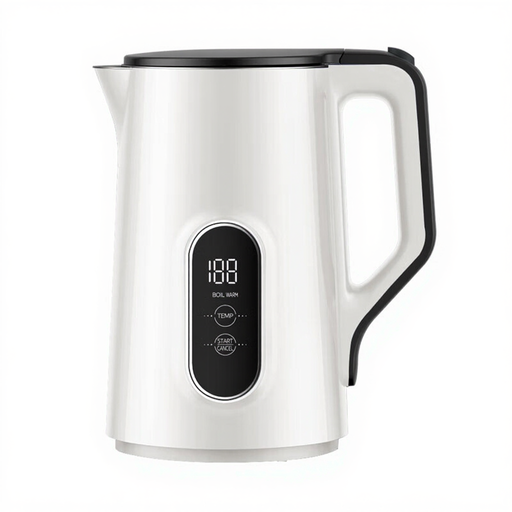
Why This Fits Their Persona: Ideal for users who demand the highest precision for various types of tea and coffee preparations. The wide temperature range from 45°C to 100°C allows for exact customisation for any variety.
The 304 stainless steel interior and BPA-free components address material concerns. The double-wall construction prevents burns, and the 1-hour keep-warm function offers genuine value.
Precise temperature control, a digital real-time display, and a Strix thermostat for high safety and durability.
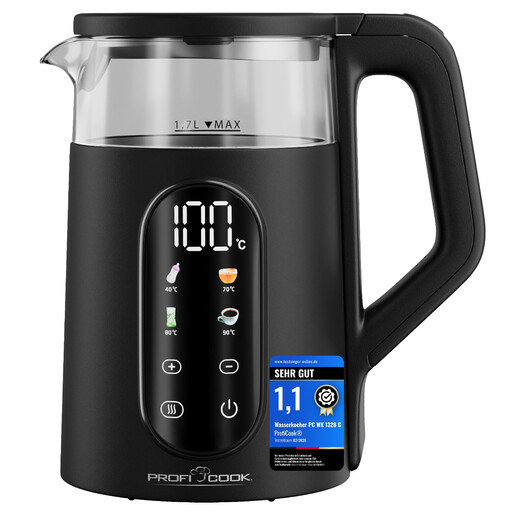
Why This Fits Their Persona: Perfect for parents who need to safely prepare water for baby formula. The 40°C setting is ideal, and safety features are a top priority.
The device is explicitly declared BPA-free. The heat-insulated glass body and safety-hinged lid minimise the risk of burns, directly addressing the most common safety flaws.
Four preset temperature levels including 40°C, a real-time temperature display, and boil-dry/overheating protection.
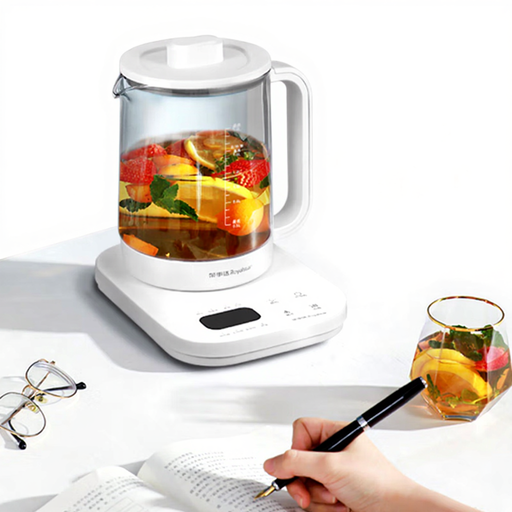
Why This Fits Their Persona: For users looking for more than just a kettle. This appliance acts as a multifunctional health cooker for teas, soups, porridge, and more.
Instead of vague marketing promises, this model offers eight clearly defined cooking programs and adjustable power. The borosilicate glass body is a proven, safe material.
Eight cooking functions, adjustable power (100W-800W) for gentle simmering, and a 12-hour timer function for maximum convenience.
We have compiled a complete, up-to-date list of products that fully meet these strict selection criteria and German safety regulations.
1. How important is a BPA-free kettle? Very important. Bisphenol A (BPA) is a chemical compound used in some plastics that can leach into food and drinks when heated. Although opinions on the exact health risks vary, it is advisable as a precaution to exclusively use products labelled as BPA-free, especially when preparing beverages for children and pregnant women.
2. Which material is better: stainless steel or glass? Both materials have their merits. Stainless steel (especially 304-grade) is extremely durable, shatterproof, and easy to clean. Glass (borosilicate) is completely taste-neutral and allows you to keep an eye on limescale buildup and the boiling process. The decision is often a matter of personal preference and aesthetics. For both materials, a double-wall or insulated construction is recommended for safety.
3. How do I properly descale a variable temperature kettle? Regular descaling is crucial for the longevity and accuracy of the temperature sensor. Use a mixture of water and vinegar essence (3:1 ratio) or a commercial descaling agent. Fill the solution into the kettle, bring it to a brief boil (or use the 100°C program), and then let it sit for about 30 minutes. Afterwards, rinse the appliance thoroughly with clean water several times to remove all residues.