
Lieferung heute & morgen

Qualitätsgarantie

Willkommens-Angebote freischalten: KOSTENLOSE Lieferung | Bis zu 80 % RABATT | Kostenlose 30-Tage-JoyPlus-Testphase
App herunterladen
Kimchi's popularity is soaring, and the selection on store shelves and in online shops is constantly expanding. But for those looking to buy kimchi for the first time, the sheer number of options can be daunting. Not every product lives up to its packaging's promise. Several common pitfalls can lead you to purchase a product that fails to meet your expectations in taste or quality.
Before you order kimchi online, you should be aware of two typical problems:
To make an informed decision, it helps to focus on a few objective characteristics. These parameters will give you clear guidance, regardless of marketing promises.
The foundation of any good kimchi is the quality of its ingredients. The most important distinction lies in the main vegetable and the seasonings.
The type of packaging has a direct impact on shelf life and handling.
Choosing the right packaging is particularly relevant if you plan to order your fermented vegetables online, as it determines the storage conditions in your home.
To make your choice easier, we have compiled a few products based on different user profiles and the criteria mentioned above.
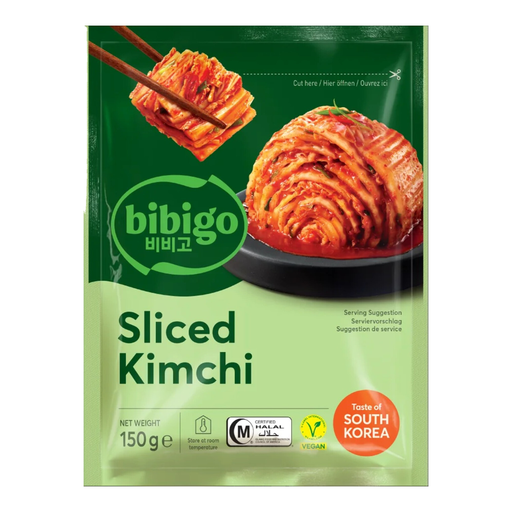
Why This Fits Their Persona: This product is ideal for anyone trying kimchi for the first time. The 150g pack is convenient, the pieces are already cut into bite-sized portions, and it's declared 100% vegan, making it accessible to a wide audience.
The clear declaration as a vegan product avoids the pitfall of hidden animal-based ingredients. The ingredient list is transparent and free from unexpected additives.
It doesn't require refrigeration until opened, making it easy to store. The small portion size minimises the risk of food waste.
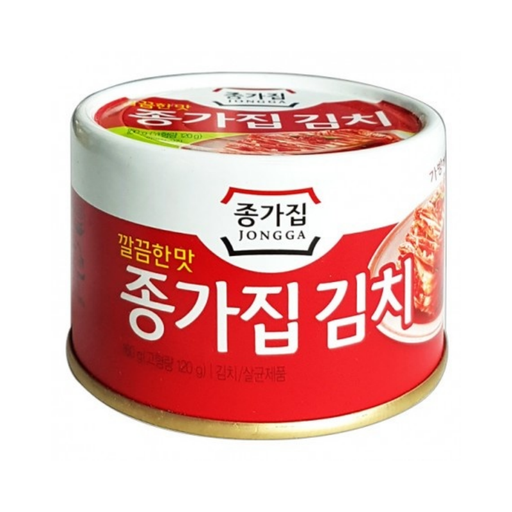
Why This Fits Their Persona: Jongga is a renowned Korean brand. This product is aimed at connoisseurs seeking the deep, complex umami flavour that comes from traditional ingredients like fermented anchovy and shrimp sauce.
The ingredient list is transparent, explicitly mentioning the use of fish and shrimp sauce. It doesn't make a vague promise of "authenticity" but clearly communicates its traditional recipe.
Offers a rich and complex flavour profile typical of traditionally made kimchi. It is a refrigerated product for maximum freshness.
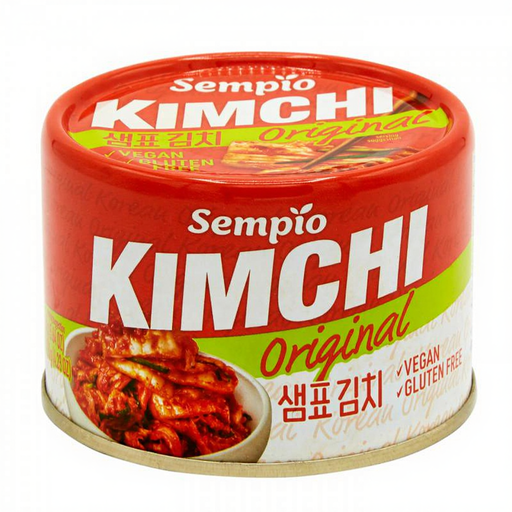
Why This Fits Their Persona: Perfect for anyone who always wants to have kimchi on hand without worrying about the cold chain. The can is sturdy, easy to store, and ideal for camping, travelling, or simply as an emergency supply in the pantry.
The can packaging solves the problem of rapid further fermentation and spoilage after opening a large pack. You only open as much as you need.
Long shelf life at room temperature. The product is also vegan and gluten-free, making it a versatile option for various dietary needs.
We have compiled a complete, up-to-date list of products that fully meet these strict selection criteria.
Unopened, shelf-stable kimchi (e.g., in cans or special jars) can be stored in a cool, dry place at room temperature. Always follow the manufacturer's instructions on the packaging. After opening, kimchi must always be kept in the refrigerator, preferably in an airtight container. Once opened, it generally lasts for one to two weeks. During this time, the flavour will continue to develop and tend to become more sour, which is a normal part of the fermentation process.
No. Although spicy kimchi is the most well-known variety, there are numerous milder alternatives. The level of heat depends on the amount of chilli powder (Gochugaru) used. There is even "white kimchi" (Baek-kimchi), which is made without any chilli powder and has a very mild, refreshing taste. Pay attention to the product description, which often provides information on the spiciness level.
Refrigerated kimchi, often sold in pouches, is typically "fresher," and the fermentation process is still active. This results in a zesty, lively flavour. Unrefrigerated canned kimchi or jarred kimchi has usually been made shelf-stable through a process like pasteurisation. This stops the fermentation until the package is opened. This variety is ideal for long-term pantry storage and offers a consistent taste.