
Lieferung heute & morgen

Qualitätsgarantie

Willkommens-Angebote freischalten: KOSTENLOSE Lieferung | Bis zu 80 % RABATT | Kostenlose 30-Tage-JoyPlus-Testphase
App herunterladen
If you’re looking to buy kitchen knives, you’ll find a wide choice of chef’s knives, meat knives, Santoku knives, vegetable knives and specialist blades. However, product names alone won’t tell you whether a knife is right for your kitchen. What matters is how you plan to use it, the blade shape and material, how much care it needs and how safely you can store it.
A new blade may be very sharp to begin with. That doesn’t necessarily mean it will stay that way for long with heavy use. Factors such as the blade steel, hardness, edge geometry, cutting surface and care all affect how long it performs well.
A stainless steel kitchen knife resists corrosion and is usually easy to care for day to day. A carbon steel knife or cleaver, on the other hand, may need more attention, especially if the blade isn’t dried immediately after use.
A Santoku knife is typically suited to cutting vegetables, fish and boneless meat. A narrow meat knife is designed to cut even slices of roast or raw meat. A serrated knife, meanwhile, works well for bread, pizza, tomatoes and foods with a firm outside and soft inside.
A long carving knife isn’t automatically the right choice for small cutting jobs. Conversely, a short vegetable knife may not offer enough control when you’re preparing large ingredients.
Not every knife is dishwasher-safe. Heat, detergent and contact with other cutlery can put strain on the blade and handle. Glass, stone and ceramic boards can also blunt a blade more quickly.
A knife block, magnetic knife strip, drawer insert or blade guard can all help you store knives safely. Loose kitchen knives in a cutlery drawer increase the risk of injury and can damage the edges.
The right length depends on the ingredients you prepare and the space you have available:
Look beyond the blade length to consider its height, the knife’s weight and the handle’s size. You should be able to control the knife safely without gripping it too tightly.
Corrosion resistance and easy cleaning are practical benefits of stainless steel blades. A Damascus knife may stand out for its layered appearance, but the name alone doesn’t tell you how well it will cut. The actual steel quality, blade grind and manufacturer’s care instructions all matter.
If a product is described as “ice-hardened” or “forged”, check whether these features are listed in the technical specifications. They don’t answer the separate question of whether the knife is dishwasher-safe or which foods it’s designed for.
An ergonomically shaped handle can make a knife easier to use during longer cutting tasks. Non-slip materials are particularly useful if you often work with damp ingredients. A finger guard or pronounced bolster may offer extra control, but neither replaces safe cutting technique.
Only use knives for their intended purpose. Bones, frozen food, hard objects and levering motions can damage the edge. Keep unprotected kitchen knives out of children’s reach.
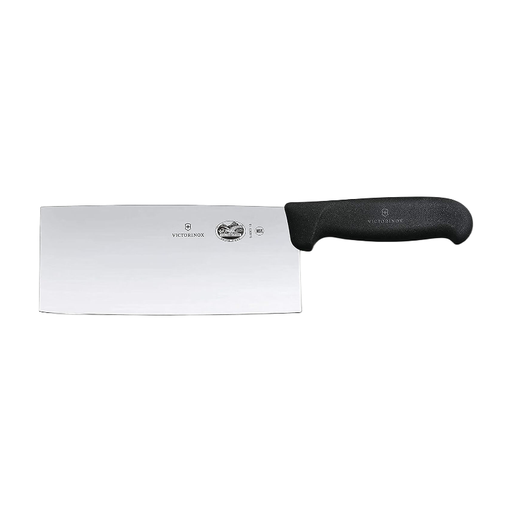
Why it suits this profile: This 18 cm chef’s knife has a broad, 8 cm-high blade designed for everyday cutting tasks, from vegetables to larger ingredients. The ergonomic plastic handle makes it easier to control.
Its clearly stated dimensions and rust-resistant stainless steel make it easier to choose as a versatile kitchen essential.
18 cm blade, broad design, ergonomic plastic handle and, according to the product details, dishwasher-safe.
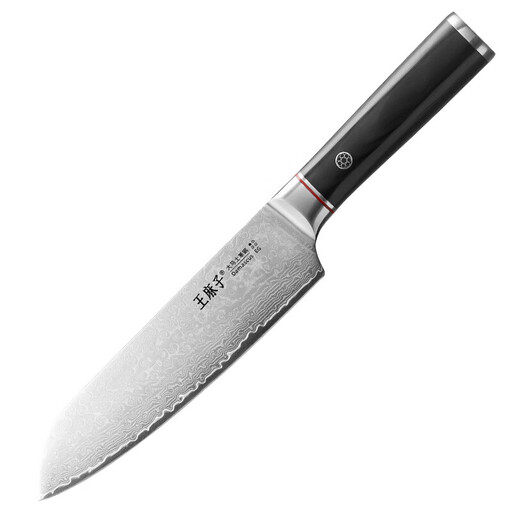
Why it suits this profile: This Santoku knife is described as a versatile option for cutting meat and vegetables. Its Damascus steel finish will appeal to buyers who value both the intended use and the material and design details.
The choice is based on its clearly stated Santoku function, not just its decorative Damascus finish.
Versatile Santoku knife for meat and vegetables; Damascus steel is listed in the product details.
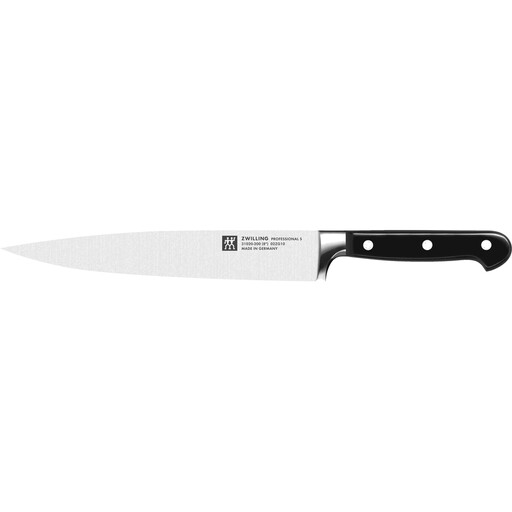
Why it suits this profile: The 20 cm forged stainless steel blade is designed for raw meat, roasts, poultry and goulash. The finger guard and three-rivet handle help you maintain control.
The product details clearly state what the knife isn’t designed for: bones, frozen food or hard objects. It should also be washed by hand.
20 cm forged stainless steel blade, FRIODUR ice-hardened, with a finger guard; not dishwasher-safe.
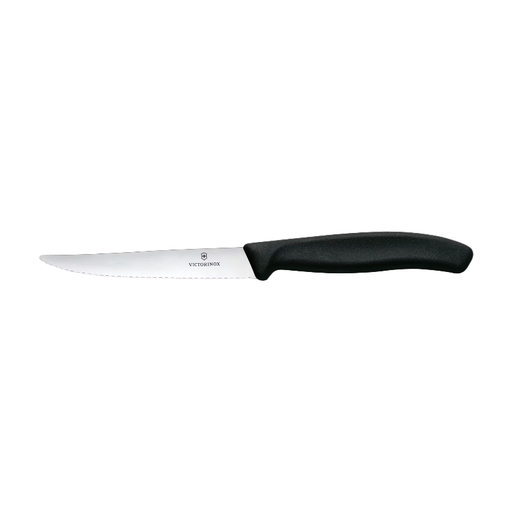
Why it suits this profile: The set includes six knives with 11 cm serrated blades for steak, pizza and firm crusts. It’s designed for shared meals and regular use at the table.
The clearly defined set size and serrated edges mean you won’t have to rely on a single all-purpose knife for several place settings.
Six stainless steel knives, 11 cm serrated blades, ergonomic polypropylene handles and, according to the product details, dishwasher-safe.
We’ve put together a complete, regularly updated list of products that meet these strict selection criteria and fully comply with the safety regulations in force in the EU.
A chef’s knife or Santoku knife can handle many everyday tasks, such as chopping vegetables, chopping herbs and portioning boneless meat. A vegetable knife and a serrated knife for bread, pizza or tomatoes also make useful additions.
It depends on the blade material, how often you use it, the cutting surface and how you care for it. Regular sharpening and safe storage can help maintain its performance. Hard surfaces, dishwasher cleaning and using the knife for the wrong tasks can blunt the edge more quickly.
Being dishwasher-safe makes cleaning easier, but it doesn’t automatically say anything about long-term cutting performance. For many stainless steel kitchen knives, washing by hand with mild washing-up liquid and drying afterwards is gentler on the material. Always check the manufacturer’s specific instructions before you buy.