
Lieferung heute & morgen

Qualitätsgarantie

Willkommens-Angebote freischalten: KOSTENLOSE Lieferung | Bis zu 80 % RABATT | Kostenlose 30-Tage-JoyPlus-Testphase
App herunterladen
If you’re looking to buy konjac noodles, you’ll find plenty of options online, including shirataki noodles, konjac fettuccine, konjac spaghetti, konjac udon, konjac rice and blends with soya or sweet potato starch. However, products can vary considerably in their ingredients, nutritional values, preparation and allergens. A low calorie count alone isn’t enough to base your choice on.
Konjac noodles are often made mostly from water and konjac flour. As a result, their energy values can be very low, depending on the product. However, they don’t automatically provide significant amounts of protein or other nutrients. If you’re using them as a low-calorie noodle alternative, add vegetables, a suitable source of protein and a sauce to make a more complete meal.
Also, nutritional values may refer to the drained product or to a particular preparation method. For a fair comparison, check the nutrition information per 100 g.
Not all konjac noodles are made solely from konjac flour and water. Some products also contain starch, rice flour, oats, soya, milk powder or sweet potato starch. This can affect whether they’re suitable as gluten-free noodles, vegan konjac noodles, keto noodles or low-carb noodles.
For example, Hethsita Konjac Noodle Oat Rice contains oat powder and is labelled as containing the allergen gluten according to the product information. It may therefore not be suitable for a gluten-free diet. If a product contains soya or milk powder, allergy sufferers should check the ingredients list carefully.
Shirataki noodles packed in water can have a distinctive smell when opened. Rinsing them thoroughly, blanching them briefly or heating them in a dry frying pan can change their sensory qualities. If you skip this preparation step, you may find the product less appealing than it really is.
The shape also matters: thin konjac spaghetti works well with light sauces, while flat konjac fettuccine offers more surface area for sauce. Konjac udon and knotted noodles are better suited to soups, hotpot dishes or stir-fries.
For an informed choice, check:
Compare at least energy, carbohydrates, fat, protein and salt. In this selection, the stated energy values for konjac noodles often range from 0 to 29 kcal per 100 g. However, these figures are only meaningful when the products use comparable reference amounts.
For a low-carb or keto diet, the stated carbohydrate value is particularly important. Blends containing starch or flour can have significantly more carbohydrates than products made with water and konjac flour.
Preparation varies from product to product:
Some products should be consumed within 24 hours of opening, while others can be kept in a sealed container in the fridge for a few days. Always follow the instructions provided by the manufacturer.
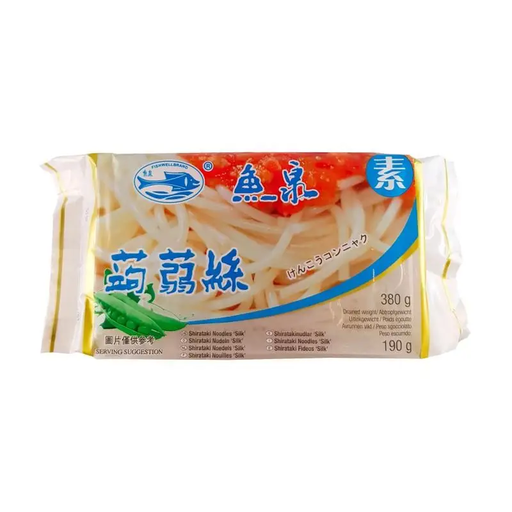
Why this product suits this profile: The classic shirataki shape and 380 g pack size make these noodles suitable for soups, stir-fries, hotpot and cold salads.
The nutritional information lists 6 kcal and 1.5 g of carbohydrates per 100 g. The ingredients and preparation instructions are clearly stated.
Water and konjac flour are the main ingredients; versatile enough for both hot and cold dishes.
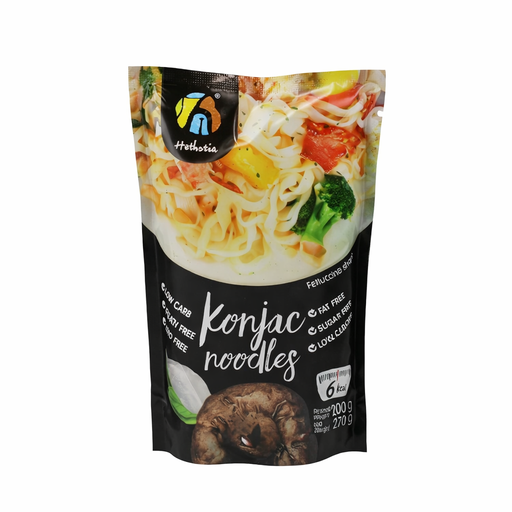
Why this product suits this profile: The flat fettuccine shape offers more surface area for sauces and is suitable for stir-fries, soups and salads.
The product information lists water, konjac powder and citric acid as ingredients. It also advises using the product immediately after opening.
6 kcal and 1.3 g of carbohydrates per 100 g after preparation; no allergens according to the product information.
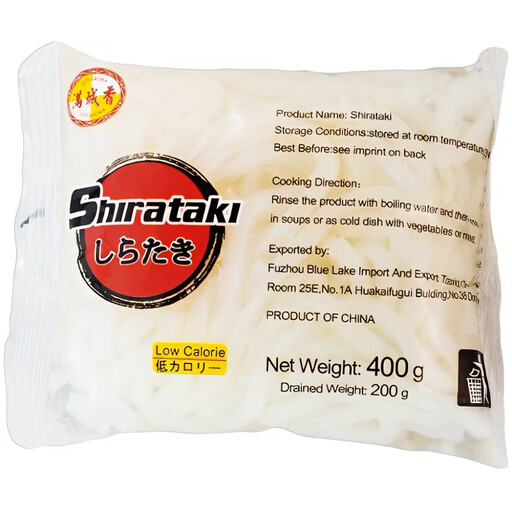
Why this product suits this profile: The round udon shape is designed for Asian soups, cold dishes and side dishes, and the pack contains 400 g.
The product information lists 9.5 kcal and 1.5 g of carbohydrates per 100 g. To prepare, simply pour over boiling water.
No allergens according to the product information; suitable for soups and cold dishes.
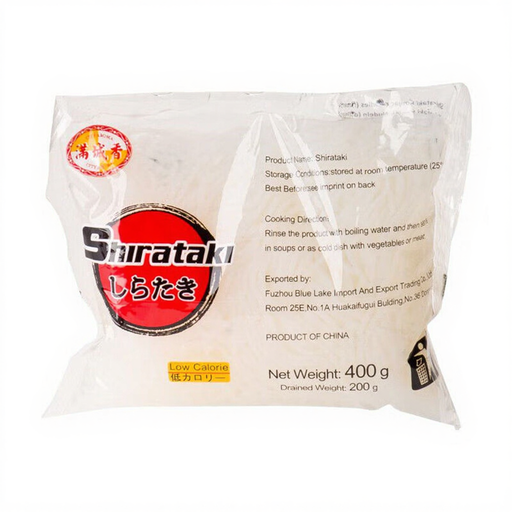
Why this product suits this profile: These fine noodles are suitable for everyday meals, salads, soups and stir-fries.
The packaging lists water and 3.8% konjac flour as the main ingredients, with no declared allergens.
9.5 kcal and 1.5 g of carbohydrates per 100 g; dry-frying is recommended for dishes without liquid.
We’ve put together a comprehensive, regularly updated list of products that meet these strict selection criteria and the safety regulations in force in the EU.
Many pure konjac products contain very few carbohydrates according to their nutritional information. However, blends with starch, rice, oats or sweet potato may have higher values. Always check the specific ingredients list and nutrition information. It’s not possible to say that all konjac noodles are suitable for a particular diet.
It depends on the product. Some manufacturers recommend consuming them within 24 hours, while others advise keeping them refrigerated for up to two or three days after opening. Store the noodles in a sealed container in the fridge. Always follow the instructions on the relevant packaging.
Not always. Some products can be served with sauce straight after draining and rinsing. Others should be blanched or boiled for one to five minutes. Dry-frying can help improve the texture. Always follow the preparation instructions for the product you’ve bought.