
Lieferung heute & morgen

Qualitätsgarantie

Willkommens-Angebote freischalten: KOSTENLOSE Lieferung | Bis zu 80 % RABATT | Kostenlose 30-Tage-JoyPlus-Testphase
App herunterladen
A Korean face cream can be used as a lightweight moisturiser, a rich barrier-protecting cream or a targeted anti-ageing cream, depending on its formulation. However, the wide range of options does not automatically make choosing easier. Terms such as “Glow”, “Glass Skin” or “Repair” alone reveal little about the actual ingredients or whether a product is suitable for your skin.
Hyaluronic acid, ceramides, retinol and PDRN are familiar terms in K-beauty. However, the entire formula is what matters: a hyaluronic acid cream may contain several forms of hyaluronic acid, while a ceramide cream may also combine cholesterol, fatty acids or panthenol for more balanced care.
When choosing retinol or retinal products, beginners should pay particular attention to the concentration, directions for use and packaging. A higher concentration of an active ingredient is not automatically the most suitable choice.
A very rich cream can feel uncomfortable on oily or blemish-prone skin. Conversely, a lightweight gel cream may not provide enough moisture for dry skin in winter. In homes with dry central-heating air, a face cream for dry skin containing lipids, squalane or ceramides can be a sensible choice. For combination skin, a lightweight moisturiser is often more comfortable.
The term “Moisturizer” does not always describe the same consistency. Product images, net contents and directions for use can provide additional guidance.
Plant extracts can also cause individual reactions in sensitive skin. Check the INCI list for parfum, fragrance allergens that must be declared, alcohol and a large number of extracts. For a face cream for sensitive skin, a straightforward formula that is easy to understand is often easier to assess.
First, match the texture to your everyday needs:
The term “Moisturizer” does not always indicate the same consistency. Product images, net contents and directions for use offer further guidance.
When choosing a K-beauty moisturiser, you can use these groups of active ingredients as a guide:
Cosmetic skincare is not a substitute for dermatological treatment. If redness, inflammation or severe itching persists, stop using the product and seek medical advice.
Pay attention to the net contents, the best-before date or the period after opening, as well as sealed, light-protected storage. With active ingredients such as retinol or retinal, it is particularly advisable not to expose the product continually to direct sunlight or excessive heat.
New products should initially be tested on a small area of skin. Do not introduce several new active ingredients at the same time. This makes it easier to identify the cause of any unwanted reaction.
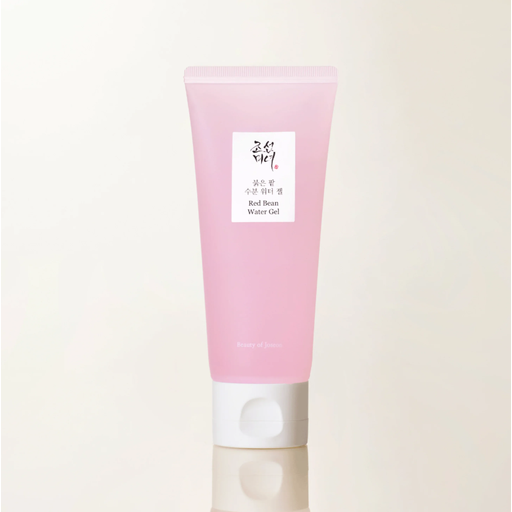
Why this product suits this profile: The gel cream offers 100 ml of product and a lightweight, non-greasy texture for everyday use.
The product description clearly states the gel texture and key ingredients instead of relying solely on a general skincare promise.
Lightweight consistency, 100 ml of product and ingredients including glycerin, panthenol, beta-glucan and allantoin in the INCI list.
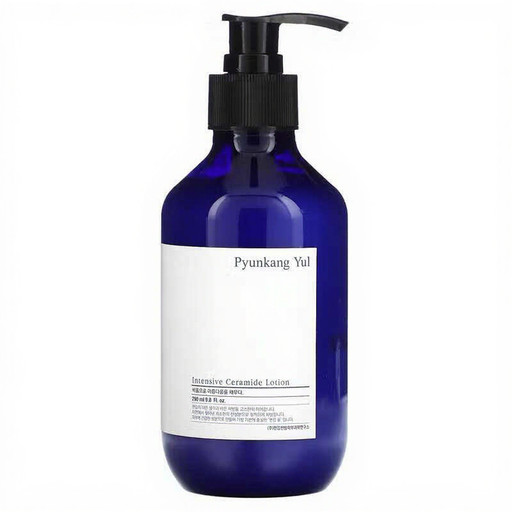
Why this product suits this profile: With 290 ml, the emulsion is suitable for regular use on the face and, according to the product information, can be used in the morning and evening.
The unusually large volume and complete ingredients list make it easier to plan a long-term routine.
The listed INCI ingredients include several types of ceramide, niacinamide, panthenol, cholesterol and sodium hyaluronate.
We have put together a complete, regularly updated list of products that fully meet these strict selection criteria and the safety regulations applicable in the EU.
Look for a richer texture and ingredients such as ceramides, cholesterol, squalane, glycerin or panthenol. If your skin is very dry, an emulsion or classic cream may feel more comfortable than a gel-only texture. Apply your skincare after cleansing while the skin is still slightly damp, unless the product directions state otherwise.
Check the INCI list for fragrances, alcohol and potentially irritating plant extracts. First test the cream on a small area of skin and introduce only one new product at a time. Stop using it if you experience burning, swelling or persistent redness.
The specific best-before date and period after opening are stated on the packaging. Keep the cream sealed, dry and protected from direct sunlight. Careful storage is particularly advisable for retinol and retinal products. Ingredient lists can vary from one batch to another, so always refer to the labelling on the product delivered.