
Lieferung heute & morgen

Qualitätsgarantie

Willkommens-Angebote freischalten: KOSTENLOSE Lieferung | Bis zu 80 % RABATT | Kostenlose 30-Tage-JoyPlus-Testphase
App herunterladen
A Korean face cream can, depending on its formulation, provide hydration, care for the skin barrier or serve as a targeted active-ingredient treatment. However, the selection can be overwhelming: terms like "Glass Skin", "Repair", "Lifting" or "Rejuvenation" often describe brand positioning rather than a consistent quality standard.
If you want to buy a K-Beauty face cream in the UK, you shouldn't just rely on the product name. What really matters are the INCI list, the concentration of key active ingredients, your skin type and how the product fits into your own skincare routine.
"Anti-Ageing", "Barrier Repair" or "Glow" are common product descriptions in the cosmetics world. On their own, they don't tell you how a cream will feel on your skin. Far more informative are specific ingredients like Ceramide NP, Panthenol, Hyaluronic Acid, Retinol or Centella Asiatica on the ingredients list.
When it comes to clinical claims, it's important to look closely at the source. According to Beauty of Joseon's clinical study, the Revive Firming Ginseng + Retinol Moisturizer was tested on 22 people over four weeks, measuring certain changes. The results of this brand-specific study cannot automatically be applied to every person or every retinol product.
A retinol cream, an AHA/BHA product and a vitamin C product can each target different skincare goals. However, if you combine them without a gradual introduction, your skin may react more strongly to the routine. This is especially true for sensitive skin, where it's best to introduce just one new active ingredient at a time.
A rich face cream for dry skin can be beneficial for very dry cheeks, but may feel heavy on oilier areas like the forehead and nose. A lightweight gel cream, on the other hand, often suits combination skin better, but may not be enough on its own for dry winter skin.
Before buying, you should check the ingredients list for any known personal triggers. Fragrance ingredients like Limonene, Linalool or essential oils can be relevant for some people. "Unscented" or fragrance-free does not automatically mean a cream is suitable for every sensitive skin type.
When trying a new product, it's a good idea to do a small patch test on an inconspicuous area of skin. If you experience persistent redness, burning, itching or a rash, stop using the product and seek medical advice if needed.
For daily use in the UK, the following points are also practical:
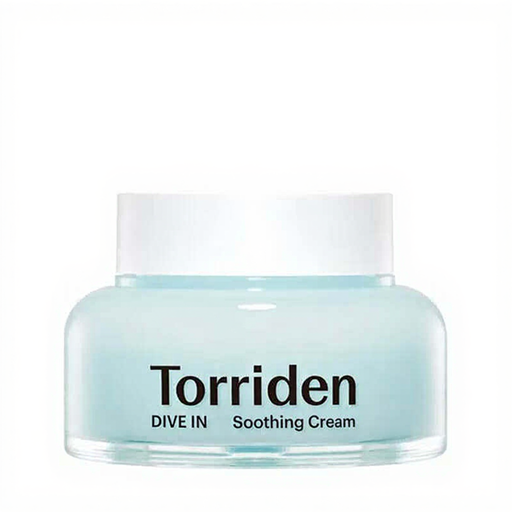
Why this product fits the profile: The stated 100 ml size and multiple forms of hyaluronic acid make this cream a straightforward option for daily hydration.
The active-ingredient focus is clear from the listed hyaluronic acid derivatives, rather than relying solely on terms like "Glow".
100 ml content, lightweight care focus and multiple forms of hyaluronic acid according to product information.
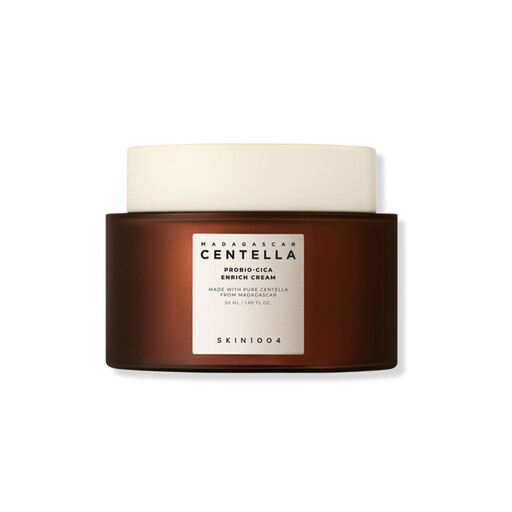
Why this product fits the profile: The combination of fermented Centella, Ceramide NP, Panthenol and plant oils appeals to shoppers who choose their products based on the INCI list for barrier care.
The product description names specific ingredients and highlights a formulation without artificial fragrances and colourants.
Ceramide NP, Centella components and 50 ml content; according to product information, suitable for dry and sensitive skin.
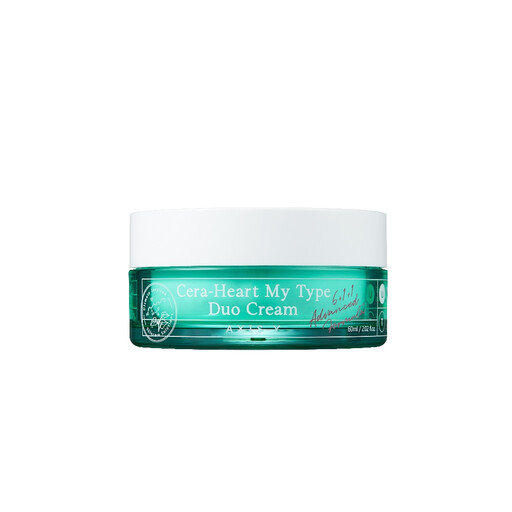
Why this product fits the profile: The duo format is designed for combination skin, where the forehead, nose and chin need different textures than the cheeks and jawline.
Instead of applying a single, potentially unsuitable texture all over the face, the two formulas can be used on specific zones.
30 ml T-zone cream with Heartleaf and 30 ml U-zone cream with Ceramide NP and Shea Butter.
We have put together a complete, regularly updated list of products that fully meet these strict selection criteria and the safety regulations in force in the EU.
A Korean moisturising cream is usually used as the last step in your skincare routine. For dry skin, it can help lock in moisture, while for combination skin, a zonal application can be beneficial. Retinol and acid products should not automatically be used every day. The manufacturer's instructions on period after opening, storage, expiry date and batch number on the packaging are what you should follow.
For a stable routine, cleansing, a suitable active-ingredient treatment and a final cream are often enough. There is no need to switch products as long as the texture, tolerance and skincare goal match your own needs.
For dry skin, formulations with Glycerin, Hyaluronic Acid, Ceramides, Squalane, Shea Butter or plant oils are worth considering. A ceramide cream or rich moisturiser can be particularly pleasant in the evening. Your individual tolerance and preferred texture remain the deciding factors.
That depends on the individual INCI list. Fragrance-free products without known personal triggers can be a good starting point. New products should be introduced slowly and first tested on a small area of skin. If problems persist, seek medical advice.
The exact shelf life is stated on the packaging, often as a symbol of an open jar with a number of months. For retinol products, special instructions regarding light, air and storage apply. A change in colour, smell or consistency is a reason to stop using the product.