
Lieferung heute & morgen

Qualitätsgarantie

Willkommens-Angebote freischalten: KOSTENLOSE Lieferung | Bis zu 80 % RABATT | Kostenlose 30-Tage-JoyPlus-Testphase
App herunterladen
By Joybuy Product Recommendation Officer, August 30, 2026
The appeal of Korean cuisine is undeniable. From spicy kimchi to savoury ramen dishes, the demand for authentic flavours is constantly growing. However, those looking to buy Korean food online are often faced with a bewildering array of choices. Not every product marketed as "Korean" delivers on its promise. This guide will help you navigate common pitfalls and find products that offer a truly authentic experience.
Many shoppers are disappointed after unboxing their purchases. This is often due to clever marketing that distracts from the actual product quality. Pay attention to these three points to avoid making the wrong choice:
To ensure you're getting authentic, high-quality products, you should check three core aspects. These will help you separate the wheat from the chaff when you order ramen online or search for basic Korean ingredients.
The soul of Korean cuisine lies in its fermented base ingredients. A look at the ingredient list is therefore essential.
Korean convenience foods can be roughly divided into three categories. Understanding the difference is important for managing your expectations about the cooking effort involved.
Established Korean brands are often a reliable indicator of consistent quality and authentic flavour. Manufacturers like Nongshim, Samyang, Bibigo, and Chung Jung One have proven themselves over decades in both Korean and international markets, making them a safe choice for beginners and connoisseurs alike.
Here are some product recommendations tailored to different needs and preferences.

Why This Fits Their Persona: Ideal for anyone who wants to experience the famous heat of Samyang Buldak in a creamier, more accessible version. The combination of fiery chicken and creamy carbonara sauce is a modern classic, perfect for a quick yet intense meal.
This is the original product from Samyang, not a 'Korean-style' copy. The preparation is straightforward and meets the expectations of an instant meal, with no hidden complexity.
Combines intense heat with a creamy sauce. Preparation takes only a few minutes. The 5-pack offers a good supply.
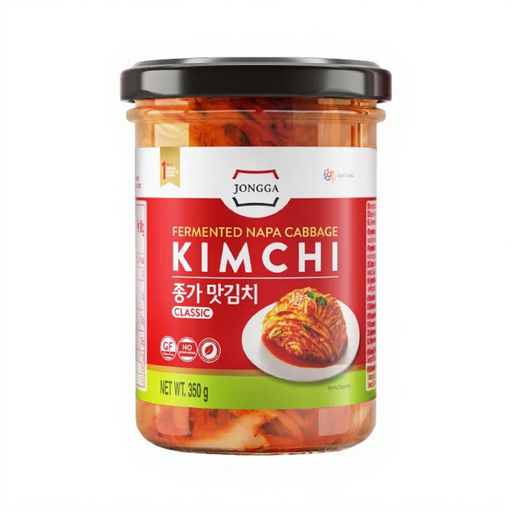
Why This Fits Their Persona: For anyone looking to prepare authentic Korean dishes like kimchi stew (Jjigae) or kimchi fried rice, real kimchi is an indispensable ingredient. This product provides the perfect foundation.
Jongga is a leading brand for kimchi. This product is authentically fermented, not just a 'kimchi-flavoured' sauerkraut alternative. The can ensures a long shelf life in the pantry.
Versatile as a side dish (banchan) or a cooking ingredient. The fermentation process provides a complex, sour-spicy flavour and natural probiotics.
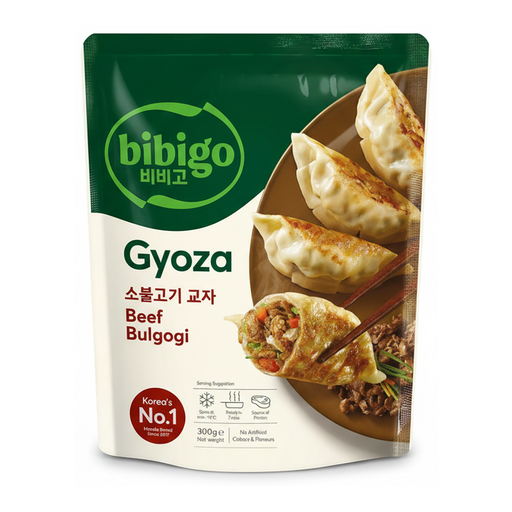
Why This Fits Their Persona: Gyoza (or mandu in Korean) are a perfect entry point. The sweet and savoury bulgogi beef filling is a popular, non-spicy classic. Pan-frying is simple, and the result is a delicious meal or snack.
The Bibigo brand stands for quality and authentic flavour. The preparation instructions are clear and simple, so there are no unexpected hurdles. The taste is authentic bulgogi, not just a vague 'Asian' seasoning.
Quick and easy to prepare (approx. 7 minutes in a pan). Contains a generous filling of beef and vegetables. Ideal as a main course, appetiser, or snack.
We have compiled a complete, up-to-date list of products that fully meet these strict selection criteria and regulations.
Once opened, kimchi should always be stored in the refrigerator. To maintain freshness, press the kimchi down below the surface of the brine and seal the container tightly. Stored this way, it will last for several weeks, continuing to develop its flavour over time.
No, that's a common misconception. While spicy varieties like Samyang Buldak or Nongshim Shin Ramyun are very popular, there are numerous mild alternatives. Look for flavours like Jjajang (black bean sauce), mild beef broths, or seafood-based soups, which are often not spicy.
Both are key ingredients, but they have different forms and uses. Gochujang is a thick, fermented paste made from chilli powder, glutinous rice, fermented soybeans, and salt. It has a complex, sweet, spicy, and savoury flavour and is used for sauces, marinades, and stews. Gochugaru, on the other hand, is pure chilli powder (either flakes or finely ground) used for making kimchi and for seasoning many dishes to add heat and colour.