
Lieferung heute & morgen

Qualitätsgarantie

Willkommens-Angebote freischalten: KOSTENLOSE Lieferung | Bis zu 80 % RABATT | Kostenlose 30-Tage-JoyPlus-Testphase
App herunterladen
Buying Korean products online is convenient, but choosing food, drinks and cosmetics can quickly become confusing. Packaging often contains information in foreign languages, product images do not always show the exact version delivered, and frozen goods have different requirements from long-life snacks. Terms such as “authentic”, “mild” or “for all skin types” should not be accepted uncritically as reasons to buy.
This guide explains which details matter before you buy and how to choose Korean food, Korean snacks, Korean drinks, instant noodles, skincare and cooking accessories to suit your needs.
With Korean instant noodles such as Shin Ramyun or Buldak Carbonara, spiciness is a key part of the product experience. However, the word “Hot” does not represent the same level of heat for every household. If you are sensitive to chilli, check ingredients such as chilli, habanero or paprika oil, and start with a smaller pack.
Tteokbokki rice cakes are also often served with a spicy sauce. The rice cakes themselves are mainly made from rice and are not automatically spicy. The combination of rice cakes and sauce is therefore what matters.
Korean food products may contain wheat, soya, milk, sesame, crustaceans or fish. Nongshim Shrimp Crackers, for example, list wheat, prawns, fish and soya as allergens. According to the product information, Samyang Buldak Carbonara contains, among other ingredients, wheat, soya, milk and celery.
With imported products, consumers should check the German labelling on the packaging delivered. It is also worth checking salt and sugar levels: Doenjang and many seasoning sauces have an intense flavour and may contain a comparatively high amount of salt.
A product with a long shelf life is not automatically practical for every order. Frozen gyoza require an uninterrupted frozen chain at a temperature of at least -18 °C. Depending on the packaging instructions, opened rice cakes should be refrigerated and used promptly. Kimchi may be suitable for storage at room temperature, while other varieties must be refrigerated after opening.
For bulk packs such as a box of Shin Ramyun containing 20 × 120 g, you should also check whether the quantity, storage space and best-before date suit your household.
Before buying, you should compare at least the following details:
bibigo Kimchi Ambient 150 g, for example, is described as vegan and halal-certified and contains soya according to the product information. For a reliable choice, however, you should always refer to the latest packaging information.
The pack size affects the actual price per portion. Matamun Tteokguk rice cakes are available in 600 g packs and are suitable for Tteokguk, soups or stir-fried dishes. According to the product information, for Tteokbokki the rice cakes should be rinsed with water and then cooked in sauce for approximately 5 to 10 minutes.
For instant noodles, the amount of water and cooking time are important. Shin Ramyun is specified with approximately 500 ml of boiling water and a preparation time of around 4 to 5 minutes. Buldak Carbonara is often prepared with a small amount of water left in the pan, followed by stirring in the sauce. The precise instructions on the packaging take precedence.
With Korean face masks and moisturisers, you should check the INCI list, application instructions, storage conditions and warnings. According to the product information, a Biodance Bio-Collagen Real Deep Mask contains, among other ingredients, glycerine, niacinamide, hyaluronic acid and collagen extract. The recommended application time is 3 to 4 hours or overnight. If you have sensitive skin, carrying out a patch test beforehand is advisable.
A Korean sunscreen with SPF50+ should be applied evenly and in a sufficient amount. The sun protection factor is a product feature, not a substitute for other protective measures such as clothing, shade or avoiding intense sunlight. Claims about effects on the skin should not be generalised; the labelling and the manufacturer’s information are what matter.
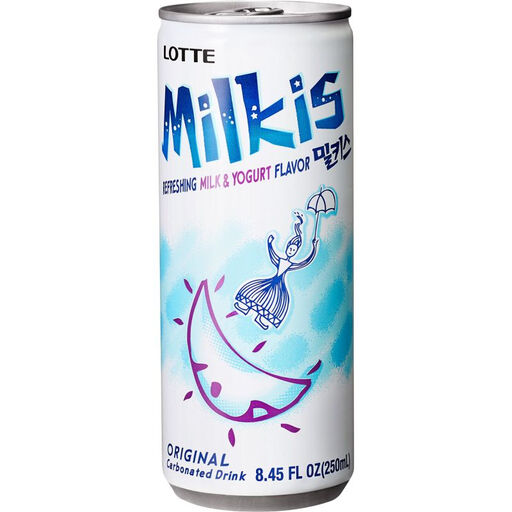
Why this product suits the profile: The 250 ml portion is ideal for trying Korean drinks without having to buy a large quantity.
The portion size helps limit unwanted purchases. The “contains milk” notice makes it possible to check the allergen information before opening.
250 ml content, a carbonated drink and, according to the product information, 44 kcal per 100 ml.
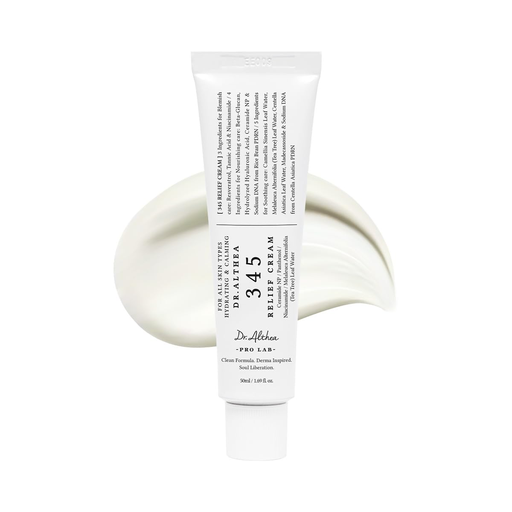
Why this product suits the profile: The gel-cream texture and detailed INCI list make it easier to assess as part of an existing skincare routine.
The product information lists how to use the product, warnings and ingredients. If you have sensitive skin, a patch test is still advisable.
50 ml content, a gel-cream consistency and, according to the product information, niacinamide, panthenol and Ceramide NP.
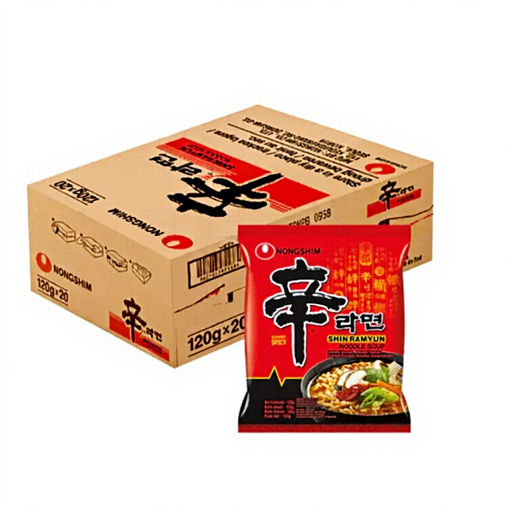
Why this product suits the profile: The bulk pack is aimed at households that regularly prepare Korean instant noodles.
The fixed number of packs makes the quantity clear. Ingredients and allergens such as wheat and soya are listed.
20 packs of 120 g each, prepared with approximately 500 ml of water and a cooking time of around 4 to 5 minutes according to the product information.
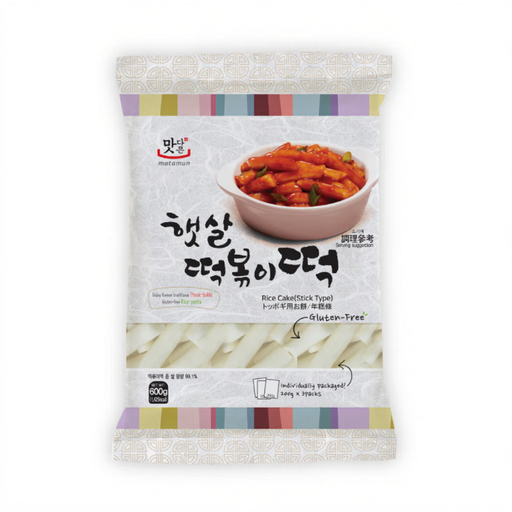
Why this product suits the profile: The rice cakes are suitable for Tteokbokki, soups and creative stir-fried dishes with Korean sauces.
The ingredients list states 99% rice. Information about refrigeration after opening helps prevent unnecessary spoilage.
600 g content, no highlighted allergens according to the product information and versatile uses.
We have put together a complete, regularly updated list of products that fully meet these strict selection criteria and the safety regulations applicable in the EU.
For Korean dishes, you can combine the basic ingredients to suit your recipe. Doenjang, a Korean fermented soya bean paste, is suitable for soups, stews and marinades according to the product information. A Bulgogi marinade such as O’Food contains, among other ingredients, soya and wheat and should be refrigerated after opening.
Korean seaweed has a long shelf life when dried, but is sensitive to moisture. Seasoned seaweed snacks with sesame oil are ready to eat, while unseasoned seaweed can be used for soups, salads or side dishes. When preparing food in Korean cookware, you should consider the material, diameter and compatible heat sources. For the ceramic 18 cm pot, check the specific manufacturer’s instructions for hobs, ovens and grill functions.
Small drink portions, seaweed snacks or a single pack of instant noodles offer an easy introduction. With spicy products, check the ingredients list first and choose a milder preparation method.
That depends on the product category. Dry instant noodles and unopened snacks can be stored for longer in a cool, dry place. Frozen gyoza require a constant temperature of at least -18 °C. After opening, kimchi, rice cakes and sauces may have different refrigeration and consumption instructions. The best-before date on the packaging is decisive.
Complete ingredient information, application instructions, storage conditions and warnings are essential. With face masks and moisturisers, a patch test is recommended before the first extensive application. Sunscreen with SPF50+ should be used in a sufficient amount and according to the instructions on the packaging.