
Lieferung heute & morgen

Qualitätsgarantie

Willkommens-Angebote freischalten: KOSTENLOSE Lieferung | Bis zu 80 % RABATT | Kostenlose 30-Tage-JoyPlus-Testphase
App herunterladen
Korean skincare, also known as K-Beauty or Korean skin care, is about much more than multi-step routines and eye-catching packaging. For a sensible facial care regimen, it's essential to match your skin's needs with the right ingredients, application methods and tolerance levels.
However, when shopping online, common mistakes can occur. You might choose a serum based on a trending active ingredient, even though you're missing a basic daily routine. A rich moisturiser might not suit your skin type, leaving an uncomfortable feeling. Or you might use a product too often because you've overlooked the guidance on how to introduce it to your skin.
Terms like "glow", "glass skin" or "pore-refining" often describe a desired cosmetic effect, but they don't represent a standardised technical specification. What really matters are the actual ingredients, the texture and the intended use.
For example, a serum with niacinamide might be formulated to promote a more balanced-looking complexion. That doesn't automatically mean it will suit every skin type or permanently change the appearance of visible pores.
Retinal, acids, exfoliating products and highly concentrated serums shouldn't be combined thoughtlessly in one routine. Particularly for sensitive skin, a gradual introduction can be sensible. Before first use, a patch test on a small area of skin is recommended.
A routine with serum and moisturiser is incomplete if you don't use a suitable sunscreen during the day. Likewise, a long-lasting sunscreen or make-up may require a thorough yet gentle cleansing routine. A cleansing balm or cleansing oil can be used as the first step; afterwards, depending on how your skin feels, a water-based cleanser can follow.
Dry skin often benefits from hydrating formulations with glycerin, hyaluronic acid, panthenol or ceramides. For combination and oily skin, a light gel-cream may feel more comfortable than a very rich cream.
For care for sensitive skin, you should also critically check for fragrances, essential oils and a long list of active ingredients. A property described as "sensitivity tested" or "non-comedogenic tested" should always be understood as a brand or retailer claim, and does not replace an individual tolerance test.
For light-sensitive ingredients such as retinal, storage away from light and a properly sealed closure are particularly important. The best-before date and batch number are on the packaging. For sheet masks, the resealable pouch should be closed tightly after removing a mask.
A simple routine usually consists of cleansing, serum or toner, moisturiser and sunscreen in the morning. Not every product needs to be used daily.
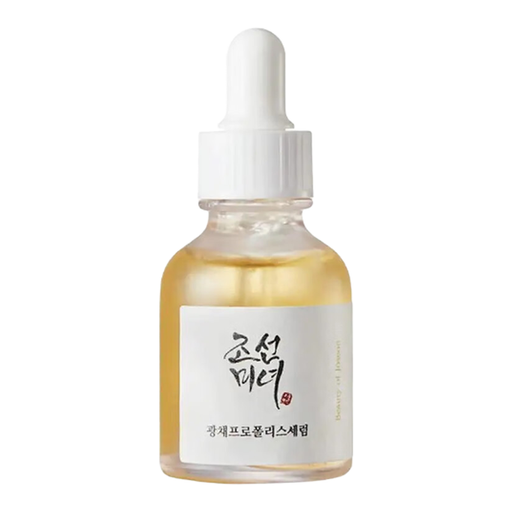
Why this product suits the profile: This serum complements a simple routine with a light, honey-like texture and can be applied after cleansing and before moisturiser. According to the product information, it contains 60% propolis extract and 2% niacinamide.
The composition and dosage of the key ingredients are clearly stated. This makes it easier to place the product more purposefully within an existing routine.
30 ml content, two clearly stated main ingredients and application with just a few drops.
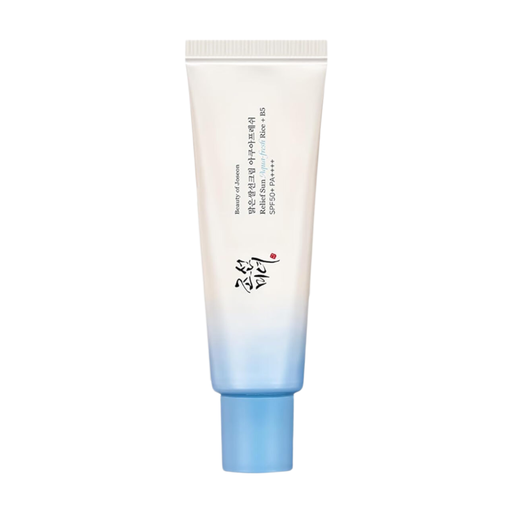
Why this product suits the profile: The lotion-like, lightweight texture is designed for a daily routine. According to the product information, the formulation offers SPF50+ and contains rice sprout water and panthenol.
The declared sun protection factor and the recommended reapplication make the protective performance more transparent than vague terms like "protective care".
SPF50+, PA++++, 50 ml content and a formula with rice sprout water and panthenol.
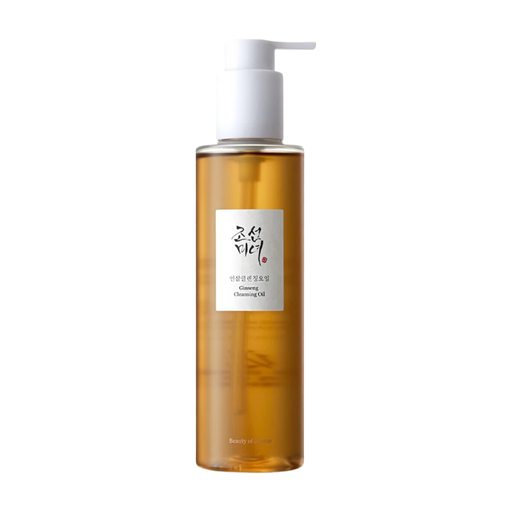
Why this product suits the profile: This cleansing oil is suitable as a first cleansing step for those who regularly remove make-up or sunscreen. The stated application is on dry skin, followed by emulsification with water.
The clear two-step instructions reduce the risk of using an oil as a standalone cleanser without rinsing it off properly.
210 ml content, application on dry skin and, according to the product information, a formula with soybean oil and ginseng seed oil.
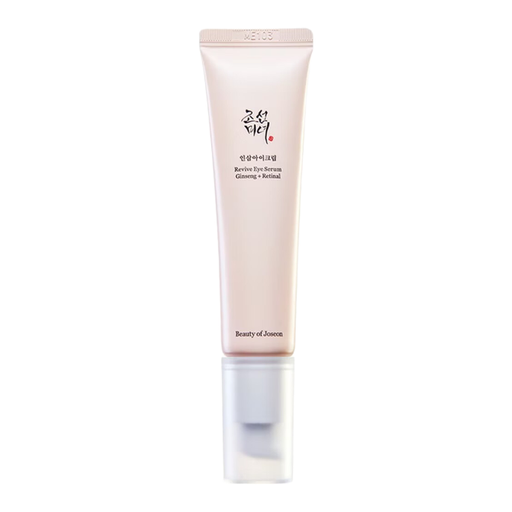
Why this product suits the profile: This eye serum combines ginseng and retinal according to the product information, and can be used on the eye area or the entire face. A cautious introduction is advisable with vitamin A derivatives.
The product description explicitly names the active ingredient retinal. This allows you to plan its use separately from other serums containing vitamin A derivatives.
30 ml content, ginseng extract, retinal and a stated application after toner.
A practical daily routine can work with three to four steps: cleansing, moisturising and sunscreen in the morning. A serum, toner or sheet mask are optional additions. What matters isn't the number of products, but that they suit your skin and how you use them.
The best-before date, batch number and, where applicable, the symbol for the period after opening on the packaging are definitive. Products with light-sensitive ingredients should be stored in a cool, dry place away from direct sunlight.
That depends on the individual formulation. Even products with ingredients described as soothing can cause individual reactions. New products should be introduced one at a time and first tested on a small area of skin. If irritation persists, stop using the product and seek medical advice if necessary.