
Lieferung heute & morgen

Qualitätsgarantie

Willkommens-Angebote freischalten: KOSTENLOSE Lieferung | Bis zu 80 % RABATT | Kostenlose 30-Tage-JoyPlus-Testphase
App herunterladen
A large planter can showcase plants beautifully, act as a room divider or help structure a balcony. When buying one, however, it’s not just about colour and shape. Unclear size specifications, missing drainage solutions or unsuitable materials often mean a plant pot doesn’t suit its intended location.
This guide highlights which details really matter and what features you should check when choosing a large plant pot, an outdoor planter or a decorative model for indoors.
A tall or wide planter may look spacious, but inside it could offer far less room. What really counts are:
A slim, floor-standing planter might offer plenty of height, for example, without providing enough soil volume for every plant. For artificial plants, the internal volume matters less; here, stability and stem fixing are the key considerations.
For real plants, a planter with a drainage hole is often more practical because excess water can escape. If there’s no hole, you’ll need to use a suitable inner pot, a waterproof liner and controlled watering. On delicate indoor flooring, it’s also wise to use a saucer or mat.
A closable or drillable drainage hole offers more flexibility. The ABDERA model from Beliani has a pre-formed opening that can be drilled through if needed; a plug to seal it is included according to the product details.
An indoor planter must primarily protect the floor and be easy to clean. Outdoors, however, UV resistance, water resistance, temperature range and wind stability are all important. Even a pot described as weather-resistant should stand on a level, stable surface and be protected in extreme winter conditions if the care instructions recommend it.
Iron suits clean, modern shapes and can be combined with a stand for floor-standing models. Check the care instructions and whether the planter is intended for permanent outdoor use. The Trosa models from Premier Housewares are made from 100% iron according to the product data and require assembly.
Ceramic or stoneware works well in living spaces, hallways and covered areas. The surface is easy to clean, but the weight can be considerable. The Yuri ceramic planter has a shipping weight of 14 kg, even though the product dimensions are around 18 to 20 cm – quite compact. So check before you buy whether you’re looking for a genuinely large container or a decorative outer pot.
Composite materials made from stone, polyresin, fibreglass or clay fibre can combine a lower weight with properties such as UV and moisture resistance. The MYRA model is specified with a temperature tolerance of -20°C to 40°C, UV resistance and a volume of 42 litres. These values apply according to the respective product information and should be matched to your intended location.
For a buying decision, you need at least three measurements:
A rectangular planter can be used as a divider on a patio. A tall, narrow pot, on the other hand, suits entrance areas or next to furniture. On a balcony, you should also consider the permitted load-bearing capacity and the distance from railings.
For real plants, water should be able to drain away in a controlled manner. Check whether:
For artificial plants, a closed decorative planter can be a good choice. This reduces maintenance and prevents water from leaking out.
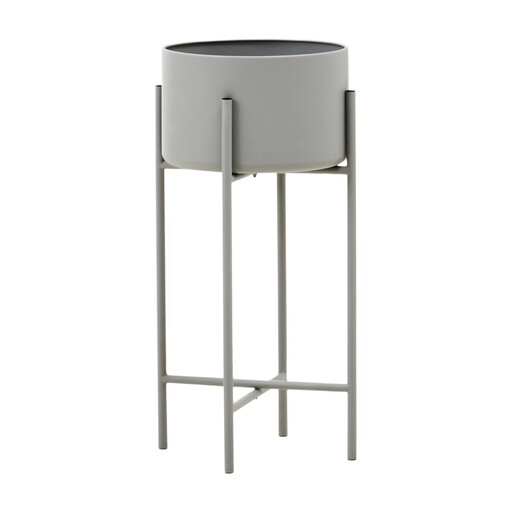
Why this product fits the profile: The grey iron planter with a crossed four-leg stand offers a clearly defined height of 55 cm and a base area of 28 × 28 cm. It suits buyers looking for a floor-standing model with a contemporary silhouette.
The external dimensions and material are clearly stated. As the model requires assembly, you should plan for this before planting.
Iron construction, grey colour, 55 cm height and four legs with a crossed section.

Why this product fits the profile: The ceramic plant pot, made from 100% stoneware, combines a speckled terracotta surface with gold-toned accents. According to the product description, a drainage hole is present, making it suitable for real houseplants.
The stated drainage hole reduces uncertainty about water runoff. The dimensions of roughly 18 × 20 cm also show that this is more of a compact ceramic pot than a floor-standing planter.
Stoneware material, drainage hole, pre-assembled design and wipe-clean surface.
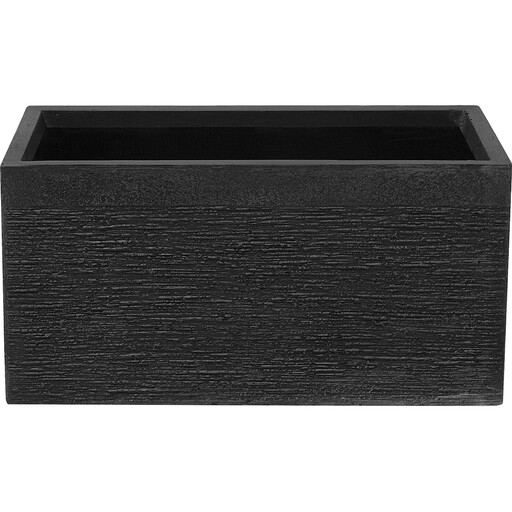
Why this product fits the profile: The elongated shape is described in the product details as suitable for use as a room divider indoors or as a planted privacy screen on the patio. With 42 litres of volume, the model is designed for larger plantings.
Drainage openings, details on UV and water resistance, and a recommended temperature range make outdoor use easier to plan for.
42 litres volume, two drainage openings, UV resistance and a stated temperature tolerance of -20°C to 40°C.
We’ve put together a full, regularly updated list of products that fully meet these strict selection criteria and the safety regulations in force in the EU.
That depends on the tree species, root ball and future growth. The planter should offer enough internal space and be stable. For larger plants, volume in litres is more meaningful than the external height alone. Also check whether a drainage hole is present and whether the location can support the total weight of the planter, compost and water.
Not every large planter is automatically balcony-friendly. What matters are the footprint, empty weight, filled weight and wind stability. On balconies, you should consider the load-bearing capacity of the structure and position the planter so that escape routes, railings and drains remain clear.
Clean the surface according to the manufacturer’s instructions, avoid abrasive cleaning products and check drainage openings regularly. A weather-resistant plant pot should be protected during severe frost in line with the usage guidelines. For ceramic, careful transport and a level surface help prevent unnecessary stress.