
Lieferung heute & morgen

Qualitätsgarantie

Willkommens-Angebote freischalten: KOSTENLOSE Lieferung | Bis zu 80 % RABATT | Kostenlose 30-Tage-JoyPlus-Testphase
App herunterladen
LED lighting can illuminate rooms functionally, highlight furniture or create seasonal accents. At the same time, unclear product specifications and unsuitable designs often lead to disappointing purchases. An LED light bar, for example, may be too short for a wardrobe, an LED strip may not stay attached to dusty surfaces, or a decorative light may only be suitable for indoor use even though you intend to use it in the garden.
This buying guide explains which technical specifications matter before you buy and which LED solutions suit different living situations.
The wattage indicates power consumption, not the actual amount of light. For brightness, the luminous flux in lumens is the key factor. A USB LED lamp producing around 150 lumens, for example, is suitable as additional lighting by a mirror or inside a cupboard, but it does not automatically replace a central indoor light.
Warm white light in the region of around 2,700 to 3,300 Kelvin is often considered pleasant in living rooms and bedrooms. Neutral white light at around 4,000 Kelvin is suitable for mirrors, kitchen worktops or cupboards. Cool white light from approximately 5,000 Kelvin can provide clear visibility in work and storage areas, but may look rather stark in a living room.
A dimmable LED lamp or a light with a CCT function offers greater flexibility. Check whether it is controlled directly on the light, via a remote control or through an app.
A light with IP20 is generally intended for dry indoor spaces. It should not be used in the bathroom, on the patio or in the garden. For outdoor lighting, the IP rating is crucial: the first digit describes protection against solid foreign objects, while the second indicates protection against water. Suitability depends on the installation location and the manufacturer's specifications.
For outdoor Christmas lights, the IP rating, power supply, cable routing and weather-related guidance must therefore all be checked together. Battery-powered garden lighting can be positioned flexibly, but requires regular battery changes.
First compare the luminous flux in lumens, followed by power consumption in watts. A simple cost formula is:
Watts ÷ 1,000 × operating hours × electricity price = electricity costs
For a 14-watt light operated for 1,000 hours, the calculated consumption is 14 kWh. The actual cost depends on your individual electricity tariff. For permanently installed LEDs, you should also check the stated energy efficiency class.
Measure the area before buying. For an LED light bar inside a cupboard, consider its length, width, installation depth and the distance from the door. For an LED strip, the total length required, possible cutting points and the position of the power supply are also relevant.
Self-adhesive backings adhere more reliably to clean, dry and grease-free surfaces. Rough walls, dusty furniture or damp areas can affect adhesion. Magnetic mounts make it easier to remove rechargeable LED lamps for charging.
USB lamps require a suitable USB port or charger. Check whether a power adapter is included. For battery-powered models, battery capacity, charging time and expected operating time are important specifications.
A motion sensor can be useful in hallways, wardrobes and storage areas. A remote control for an RGB LED strip allows you to change colours and adjust brightness, while touch controls built into an LED floor lamp work without additional accessories.
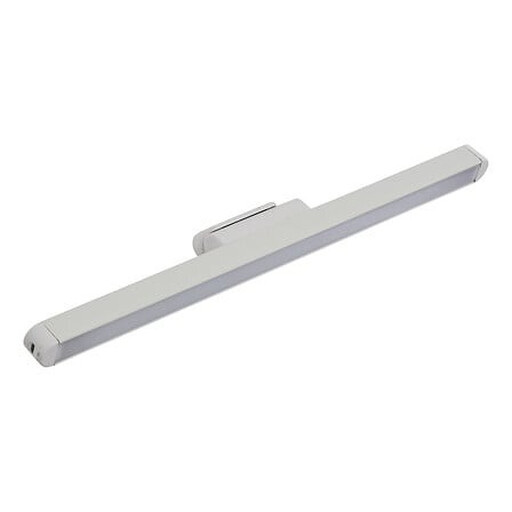
Why this product suits the profile: This compact LED light bar is designed for mirrors, cupboards, shelves and other small indoor areas. It can be charged via USB and does not require permanent wiring during use.
The product specifications state a length of 42 cm, around 150 lumens and 4,000 Kelvin. This makes it easier to compare the intended use with the available space and the type of light you want before buying.
Integrated lithium battery, USB charging function, adjustable light direction and matt white ABS surface.
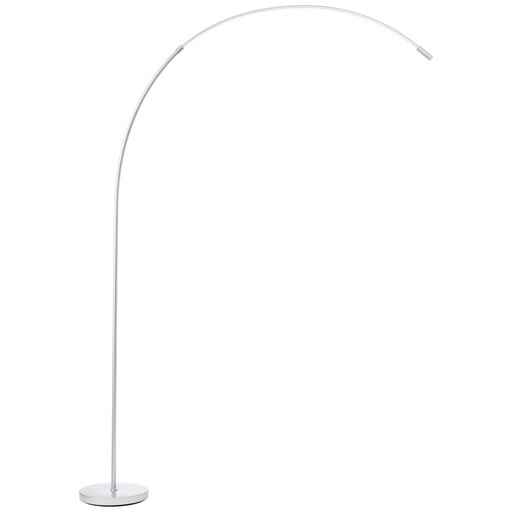
Why this product suits the profile: This arc lamp combines an integrated LED with a tall design, making it suitable for living areas, reading chairs or work zones.
The specifications for 1,300 lumens, 14 watts, a height of 179 cm and a cable length of 2.28 m make planning easier. With an IP20 rating, the light is expressly intended for dry indoor areas.
Stepless touch dimmer, CCT colour temperature from 3,000 to 6,500 Kelvin and aluminium construction.
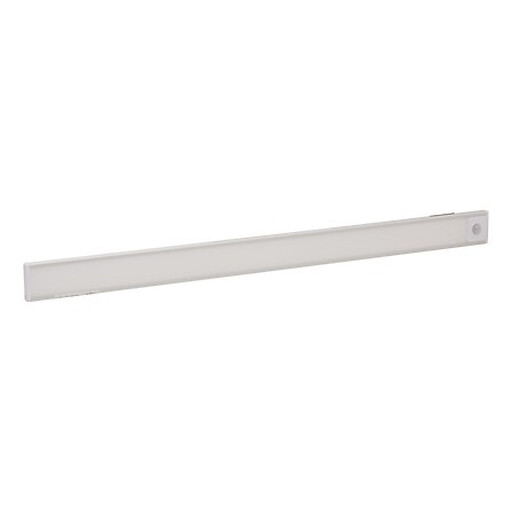
Why this product suits the profile: For wardrobes, worktops and longer shelves, the 60 cm light bar provides more coverage than a short supplementary lamp.
Motion detection, magnetic mounting and a 3M adhesive surface reduce the need for unnecessary wiring. According to the product specifications, the light bar is intended for indoor use.
57 cm light body, 6,000 Kelvin, 2,200 mAh battery and automatic activation for around 30 seconds after motion is detected.
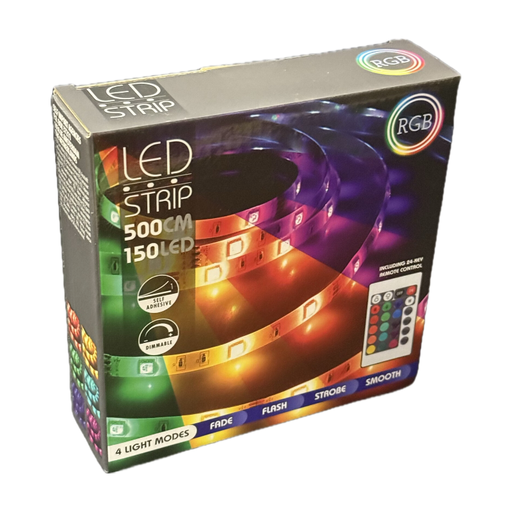
Why this product suits the profile: The RGB LED strip is suitable for living rooms, bedrooms, parties and festive decorations when you want colour-changing and indirect light.
The 5-metre length, 24-volt power adapter and IP20 rating make the intended use clear: this light is designed for dry indoor spaces, not outdoor areas.
150 5050 SMD LEDs, infrared remote control, adjustable brightness and RGB colours with power adapter included.
We have put together a complete, regularly updated list of products that fully meet these strict selection criteria and the safety regulations applicable in the EU.
This depends on the room size, the position of the light and the atmosphere you want to create. A single decorative light often serves only as an accent. For general indoor lighting, several light sources should be combined. Lumens are more informative than watts because they describe the amount of light emitted.
Actual service life depends on factors including operating time, heat dissipation, power supply quality and usage. With integrated LEDs, the light source usually cannot be replaced like a conventional bulb. You should therefore check the stated service life, warranty and availability of spare parts in the relevant product description.
LED garden lighting requires a suitable IP rating, weather-resistant materials and a safe power supply. A light with an IP20 rating is not intended for rain or continual exposure to moisture. For outdoor Christmas lights, every component, including the power adapter and extension cable, must be suitable for outdoor use.