
Lieferung heute & morgen

Qualitätsgarantie

Willkommens-Angebote freischalten: KOSTENLOSE Lieferung | Bis zu 80 % RABATT | Kostenlose 30-Tage-JoyPlus-Testphase
App herunterladen
As a Joybuy Product Recommendation Officer, I see the vast diversity of staple foods on a daily basis. The selection of legumes, in particular, can be overwhelming: Which bean is best for a stew, and which pea for a creamy soup? This article is designed to offer clear guidance when you're looking to buy legumes. It outlines objective criteria for your decision-making and presents a selection of products suited for various culinary purposes.
The right choice largely depends on your planned dish and personal dietary goals. Here are some objective points to help you decide.
Not all legumes behave the same way during cooking. The texture after cooking is a crucial criterion.
Dried legumes are a recognised vegan protein source and are rich in fibre. However, preparation times can vary.
The information on the packaging provides valuable details about origin, processing, and storage. Pay attention to the best-before date and recommended storage instructions (usually cool and dry) to maintain product quality. Due to agricultural harvesting and processing, there may be traces of gluten, which is relevant for individuals with celiac disease.
Based on the criteria mentioned, we have compiled a selection of products that are well-suited for different culinary needs due to their specific properties.
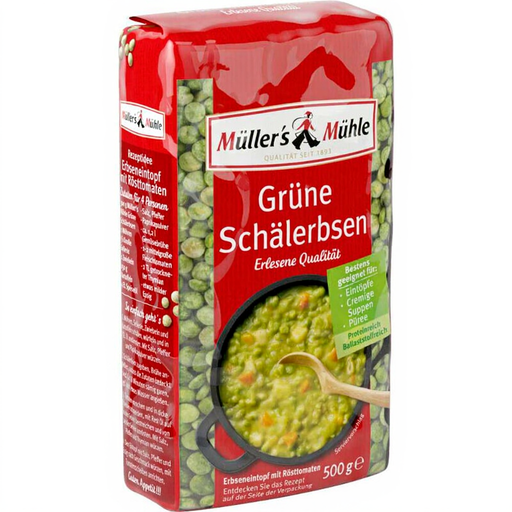
What makes this product stand out These green split peas are a staple of European cuisine. Because their outer shell has been removed and they are naturally split, the cooking time is significantly reduced, and no soaking is required. They cook down to a smooth, thick consistency.
Benefits
Who is it for? This product is a great choice for cooks who want to prepare classic, creamy stews and soups. It is also suitable for a plant-based diet as a reliable protein source.
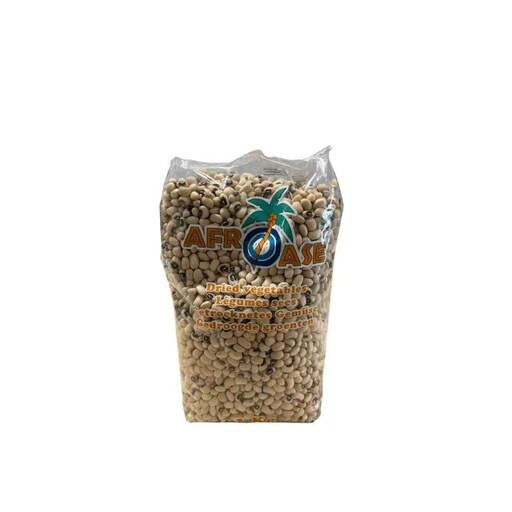
What makes this product stand outBlack-eyed peas are known for their creamy texture and mild, earthy flavour. They are a key component of African cuisine and are used for traditional dishes like Akara (bean fritters) or Moi-Moi (steamed bean pudding).
Benefits
Who is it for? Ideal for anyone looking to explore West African cuisine or prepare authentic dishes. Due to their nutritional value, they are also a valuable ingredient for a high-protein, plant-based diet.
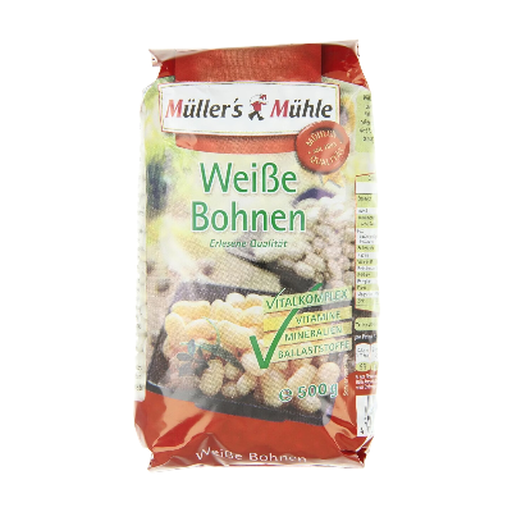
What makes this product stand out The white beans from Müller's Mühle are a classic for dishes where the beans need to hold their shape. They are a solid pantry staple and are suitable for a variety of recipes, from salads to hearty stews.
Benefits
Who is it for? This product is a reliable choice for preparing a classic bean stew, salads, or side dishes. If you're looking for a versatile bean that doesn't fall apart, this is an excellent choice.
This selection covers some of the most common uses. However, the world of legumes is far more extensive, offering the right variety for every taste and recipe.
If you want to discover other types of beans, lentils, or peas, you can find a wider selection in our comprehensive vegan legumes category.
1. Do you always have to soak dried legumes? Not always. Smaller varieties like lentils or split peas generally do not require soaking. However, larger, whole beans (e.g., kidney beans, white beans, chickpeas) benefit from a soaking time of 6–8 hours or overnight. This not only shortens the cooking time but can also improve digestibility.
2. How do you store legumes correctly? Dried legumes should be stored in a cool, dry, and dark place. After opening the package, it is advisable to transfer the contents into an airtight container. This keeps them fresh and protects them from moisture and pests.
3. Are legumes a good protein source for a plant-based diet? Yes, legumes are a fundamental component of a plant-based diet. They are among the best plant-based protein sources and also provide fibre, complex carbohydrates, and essential micronutrients, making them a very nutritious and filling food.