
Lieferung heute & morgen

Qualitätsgarantie

Willkommens-Angebote freischalten: KOSTENLOSE Lieferung | Bis zu 80 % RABATT | Kostenlose 30-Tage-JoyPlus-Testphase
App herunterladen
Legumes are a cornerstone of many pantries. They are nutritious, versatile, and have a long shelf life. However, when shopping online, you often face an overwhelming selection. Anyone looking to buy legumes is confronted with different packaging, quality levels, and origins. This guide will help you avoid the most common pitfalls and make an informed decision for your household.
A conscious choice not only prevents disappointment in the kitchen but also reduces food waste. Pay attention to these three points to avoid making the wrong purchase:
To find the right legumes for your needs, you should check three core parameters. These will help you objectively assess product quality.
The form in which you buy legumes significantly determines the effort and possible uses.
The nutrition facts table provides objective data. Pay attention to the protein and fibre content per 100 grams to compare products directly. A short ingredient list is often a good sign. For dried legumes, ideally, only the bean or lentil itself should be listed. For canned goods, water and a small amount of salt are acceptable.
Dried legumes should be delivered in sturdy, sealed packaging to protect them from moisture and pests. After opening, it is recommended to transfer the contents to an airtight container. Always check the best-before date, especially if you plan to order lentils online to restock your pantry.
Different products suit different cooking habits and lifestyles. Here are some recommendations tailored to specific needs.
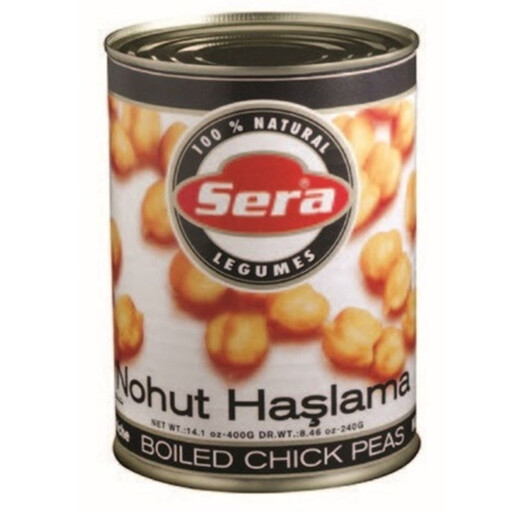
Why This Fits Their Persona: These pre-cooked chickpeas are ready to use, saving valuable time in the kitchen. Ideal for spontaneous salads, quick curries, or preparing hummus without hours of soaking.
Bypasses the pitfall of long preparation times for dried beans. The ingredient list is short and transparent, ensuring no unwanted additives.
Maximum convenience; consistent quality and texture for reliable cooking results.
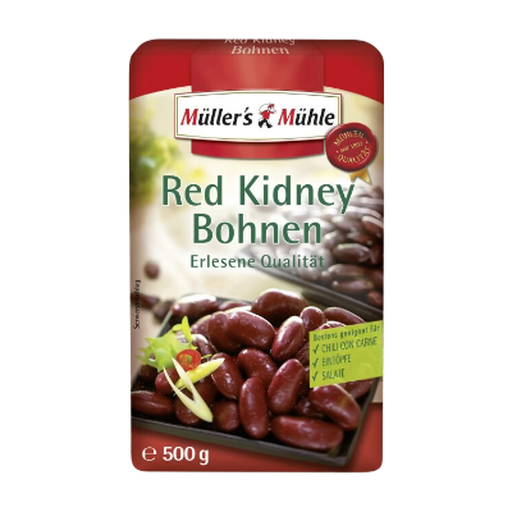
Why This Fits Their Persona: As a dried product, these kidney beans have a long shelf life and are excellent for stocking the pantry. The 500g package is a standard size for preparing chili con carne, stews, or salads for the whole family.
Solves the problem of miscalculating quantities, as this is a versatile classic in a practical household size. The dried form is space-saving and prevents waste.
High cost-effectiveness, long shelf life, and control over the cooking process and seasoning.
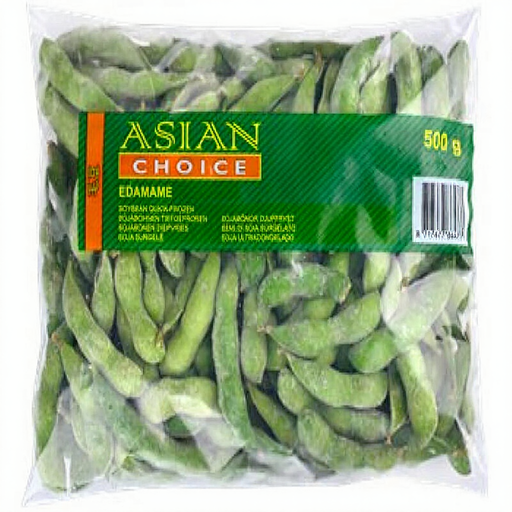
Why This Fits Their Persona: These frozen edamame are an excellent vegan protein source and are ready in just 3-5 minutes. They are perfect as a nutritious snack, a side dish, or a protein-rich addition to salads and bowls.
The product consists of 100% soybeans, thus avoiding the pitfall of hidden additives. The frozen form preserves nutrients and ensures a fresh taste.
High protein content, very quick preparation, and versatile use in modern, health-conscious cuisine.
We have compiled a complete, up-to-date list of products that fully meet these strict selection criteria and local regulations.
1. Do dried beans always need to be soaked? Soaking is not always mandatory, but it is highly recommended. It significantly shortens the cooking time and can improve digestibility. For smaller varieties like lentils or split peas, it is generally not necessary. For larger beans like kidney beans or chickpeas, soaking overnight or for at least 8 hours is recommended.
2. How do I properly store opened packages of dried legumes? After opening, dried beans and lentils should be transferred to an airtight container. Store it in a cool, dry, and dark place to protect them from moisture, pests, and light. When stored correctly, they remain shelf-stable for many months.
3. Are canned legumes less nutritious than dried ones? Not necessarily. During the canning process, the content of some water-soluble vitamins may slightly decrease, but the main nutrients like protein, fibre, and minerals are largely preserved. With canned chickpeas, it is advisable to check the salt content and rinse them under running water before use to remove any excess salt.