
Lieferung heute & morgen

Qualitätsgarantie

Willkommens-Angebote freischalten: KOSTENLOSE Lieferung | Bis zu 80 % RABATT | Kostenlose 30-Tage-JoyPlus-Testphase
App herunterladen
Lemon iced tea is a versatile drink for many everyday occasions: in the fridge at home, at the office, at a barbecue or stocked up for families and events. The range includes everything from classic lemon iced tea made with black tea to green tea, sugar-free recipes and sparkling varieties.
However, product names and marketing claims do not always make it immediately clear what matters when buying. If you decide based solely on the brand or packaging design, it is easy to overlook the sugar content, the actual fill volume or the difference between a single pack and a multipack of iced tea.
With sugar-free iced tea, the sweet flavour is often created using sweeteners or other sugar substitutes. This is relevant for shoppers looking to reduce their sugar intake, but it also changes the flavour profile. The product information should therefore be checked for both “sugar” and the sweeteners used.
For example, according to the listed ingredients, sugar-free products such as Lipton Sparkling Lemon Ice Tea Sugar-Free and VITA 0 Sugar Lemon Tea contain sweeteners. VITA also highlights the presence of a source of phenylalanine. The information on the packaging is decisive for people with relevant intolerances.
Nutritional values are usually given per 100 ml. However, the pack size is what matters for actual consumption. A drink containing 10.2 g of sugar per 100 ml already contains around 25.5 g of sugar in a 250-ml pack. In a 1.25-litre bottle, the total amount increases considerably.
If you drink iced tea regularly, do not just look for terms such as “light” or “refreshing”. Multiply the values per 100 ml by your intended serving size instead.
A multipack of iced tea can make shopping easier for offices, parties or larger households. For individuals, however, a bulk pack may be more than they need, particularly if opened bottles are meant to be consumed within a few days. Storage space, weight and refrigeration capacity should also be taken into account.
Black iced tea often has a more pronounced tea flavour and naturally contains caffeine. Green iced tea is often described as lighter and sometimes fruitier. Oishi Honey & Lemon Green Tea combines green tea, honey and lemon; according to the product information, this variety contains 5.8 g of sugar per 100 ml and 25 kcal.
If you are looking for a classic chilled lemon tea flavour, you will generally find products based on black tea and lemon juice concentrate. For a more sparkling option, consider sparkling iced tea. However, carbonation can affect how easy the drink is to open and store: once opened, it should be refrigerated and consumed promptly.
Always compare the nutritional table per 100 ml:
INSTICK Lemon Iced Tea is an example of an instant powder. According to the product description, the sticks contain no sugar or aspartame; depending on the desired intensity, one stick makes 0.5 to 1 litre of drink. Preparing it with still or sparkling water allows you to choose a flexible serving size.
The right size depends on how you plan to use it:
You should also check the number of packs, total volume and type of closure. For example, six 1.25-litre bottles make a total of 7.5 litres. When comparing prices, the price per litre is more informative than the price of an individual bottle.
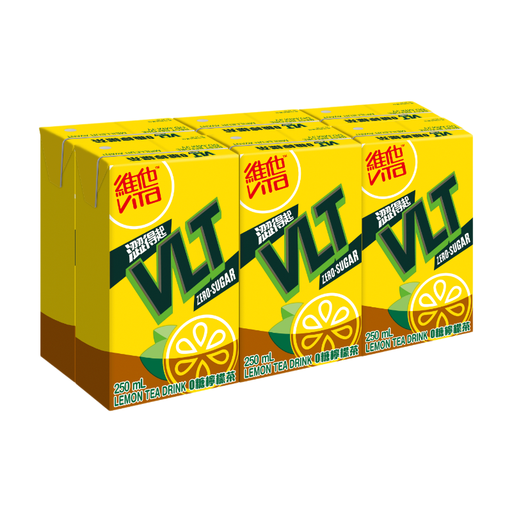
Why this product suits this profile: The six 250-ml packs offer a manageable quantity for beginners and, according to the product information, provide 0 kcal and 0 g of sugar per 100 ml.
The nutritional values and ingredients clearly reflect its sugar-free formulation. At the same time, the product description expressly points out that it contains sweeteners and a source of phenylalanine.
250-ml portions, six units and, according to the product information, 0 g of sugar per 100 ml.
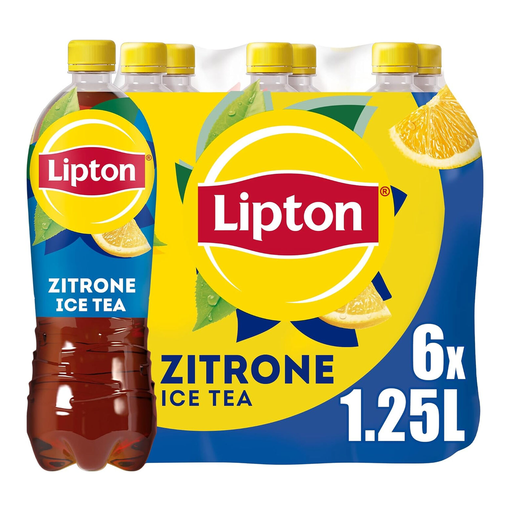
Why this product suits this profile: The 1.25-litre format is ideal for shared meals and keeping in stock. According to the product description, it is made with black tea extract and lemon juice from concentrate.
The product information specifically lists sugar, fructose and steviol glycosides. This makes it easier to distinguish the recipe from sugar-free alternatives.
Six large bottles, lemon flavour and detailed ingredient and nutritional information.
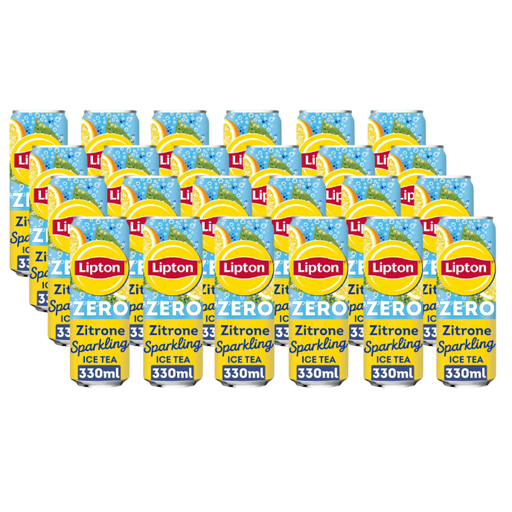
Why this product suits this profile: The box of 24 330-ml cans is practical for offices, parties and events where drinks in individual portions are needed.
The “Sugar-Free” claim is backed up by 0 g of sugar and 2.15 kcal per 100 ml. Carbonation, caffeine and sweeteners are also explicitly listed.
24 cans, a sugar-free recipe according to the product information and a sparkling variety.
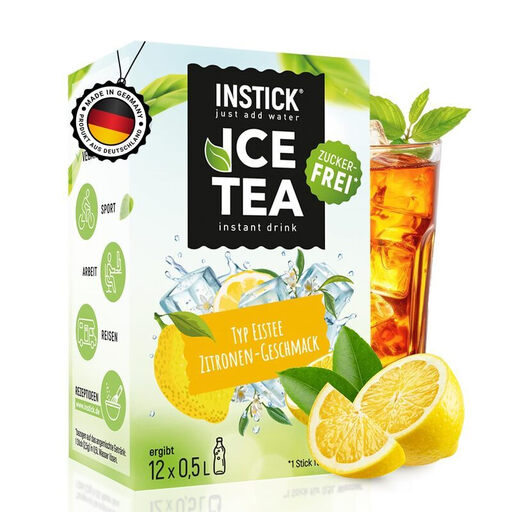
Why this product suits this profile: The twelve sticks take up very little storage space and can be mixed with 0.5 to 1 litre of water, depending on how strong you want the drink.
The total quantity depends on the dosage and is stated as 6 to 12 litres. This means you do not need to store a large supply of ready-mixed drinks.
Sugar-free according to the product information, twelve individual sticks and preparation with still or sparkling water.
We have put together a complete, regularly updated list of products that fully meet these strict selection criteria and the safety regulations applicable in the EU.
Unopened drinks should be stored in a cool, dry place away from direct sunlight, in accordance with the manufacturer’s instructions. Opened bottles belong in the fridge. Depending on the product, consumption within a few days may be recommended. With sparkling drinks, the fizz also fades after opening.
Check the best-before date before buying and choose a quantity that matches your expected consumption. A multipack can be useful for events; for smaller households, 250-ml or 500-ml packs are often easier to finish completely.
You can tell from the nutritional table. Products such as Lipton Zero Sugar Lemon Iced Tea and VITA 0 Sugar Lemon Tea are listed with 0 g of sugar per 100 ml. However, they may contain sweeteners. The ingredients list and any warnings should therefore also be checked.
After opening, iced tea should be refrigerated and consumed promptly in accordance with the information on the packaging. Two to four days is often stated. If you are unsure, follow the instructions from the relevant manufacturer. Smell, taste and appearance may also provide additional indications of a change in quality.
For sharing, 1-litre, 1.25-litre or 2-litre bottles are practical. Offices and event organisers often benefit from 250-ml or 330-ml individual packs. Comparing the price per litre, storage space and expected consumption can help you determine the right quantity.