
Lieferung heute & morgen

Qualitätsgarantie

Willkommens-Angebote freischalten: KOSTENLOSE Lieferung | Bis zu 80 % RABATT | Kostenlose 30-Tage-JoyPlus-Testphase
App herunterladen
The decision to order lemonade online is driven by a variety of factors that go beyond mere taste. Parameters such as sugar content, fruit juice percentage, carbonation level, and packaging type are critical criteria for selecting the right product. This guide analyses the technical specifications of different lemonade types to facilitate an informed purchasing decision for both home and commercial use.
When selecting a lemon-flavoured soft drink, objective characteristics that define the product's character and intended use must be considered.
The sugar content, listed in grams per 100 ml, is a primary indicator of a lemonade's character. The range is extensive:
The intensity of the citrus flavour is determined by the fruit content and the type of flavourings used.
The effervescence, or the intensity of the carbonation, significantly influences the mouthfeel. A distinction is made between still lemonades (non-carbonated), lightly sparkling (medium), and highly carbonated, sparkling lemonades. The choice depends on personal preference and the occasion.
Packaging is relevant for logistics, storage, and the final consumption experience.
Based on an analysis of product specifications, we present three different lemonades that cater to various user profiles.
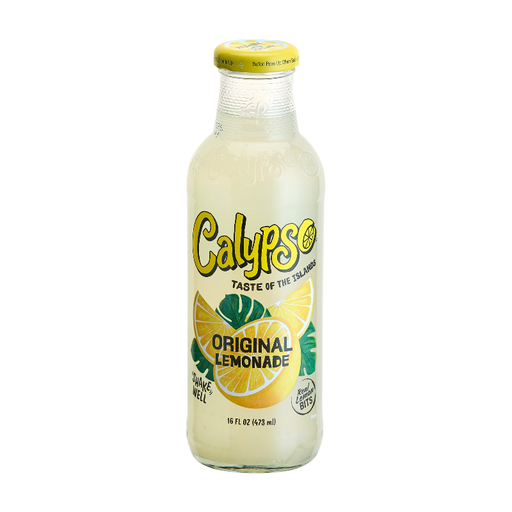
Why we recommend this product: Calypso Original Lemonade represents the classic American-style lemonade. The recipe is based on a relatively high sugar content (11 g/100 ml) and a significant amount of lemon juice from concentrate (7%). A key differentiator is the addition of lemon pulp (0.2%), which provides a tangible texture and an authentic flavour profile.
Advantages:
Who it's for:
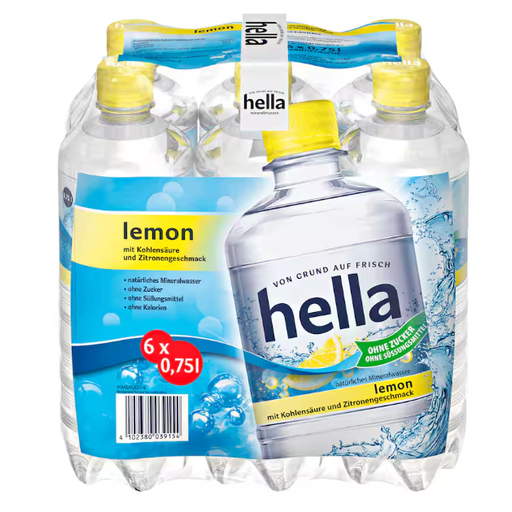
Why we recommend this product: HELLA Lemonade is positioned as a sugar-free lemonade with zero calories. It is based on natural mineral water, infused with carbonation and natural flavours. The product completely forgoes sugar and carbohydrates, making it a specific choice for health-conscious consumers.
Advantages:
Who it's for:
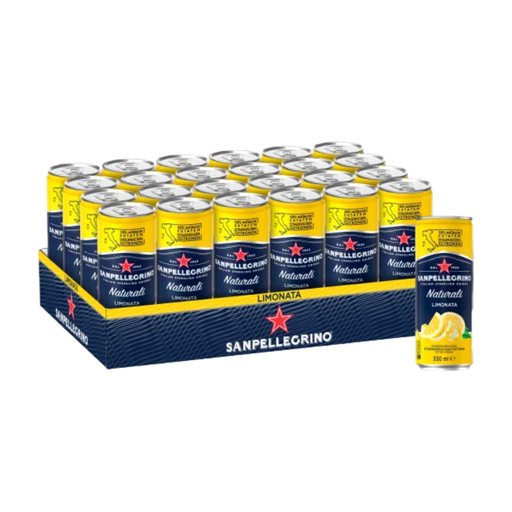
Why we recommend this product: San Pellegrino Limonata is an Italian premium lemonade distinguished by its well-balanced formula. At 4 g of sugar per 100 ml, it is significantly less sweet than classic lemonades. The base of carbonated water creates a finely carbonated, sparkling lemonade. Bottled in 0.33-litre glass bottles, it underscores its premium positioning and is ideal for the food service industry.
Advantages:
Who it's for:
If the featured products do not exactly meet your requirements, the market offers a wide variety. Especially in the lemonade category, there are numerous other options that differ in taste, sweetness, and packaging. You can find a larger selection of products in our corresponding category.
1. What is the main difference between American and European lemonade? American-style lemonades, like Calypso, tend to have a higher sugar content and often a higher fruit juice percentage, resulting in a very intense, sweet flavour. European varieties, particularly from Italy like San Pellegrino, are often less sweet, more carbonated, and designed to accompany meals.
2. Are there high-quality sugar-free lemonades? Yes, the market increasingly offers products that omit sugar without compromising on taste and quality. Products like HELLA Lemonade use natural flavours combined with mineral water to create a refreshing, zero-calorie drink. Here, quality is defined by the purity of the ingredients and the balance of the flavour.
3. Which lemonade is suitable for food service or an office? For the food service industry, products in glass bottles like San Pellegrino Limonata are often the preferred choice due to their premium look and feel and flavour neutrality. The case size (e.g., 24x0.33L) is optimised for professional needs. For offices, larger PET bottles in multi-packs, like those from HELLA, are a practical and logistical choice due to their convenience, lower weight, and shatterproof nature.