
Lieferung heute & morgen

Qualitätsgarantie

Willkommens-Angebote freischalten: KOSTENLOSE Lieferung | Bis zu 80 % RABATT | Kostenlose 30-Tage-JoyPlus-Testphase
App herunterladen
By Joybuy Product Recommendation Officer, August 29, 2026
Light soy sauce is a cornerstone of Asian cuisine, yet the selection on supermarket shelves can be overwhelming. Labels with terms like "Premium," "Golden Label," or "Traditionally Brewed" make big promises, but the quality inside doesn't always match. Anyone looking to buy authentic light soy sauce often faces the challenge of distinguishing marketing claims from actual product attributes.
This guide aims to provide clarity. We will highlight the most common pitfalls in purchasing and show you which objective criteria truly matter to find the right sauce for your culinary projects—whether for cooking, seasoning, or dipping.
Before deciding on a product, it's helpful to know the most common misleading features that can lead to a bad purchase.
To make an informed decision, you should focus on verifiable facts. The following three parameters are crucial for the quality and taste of a Chinese light soy sauce.
The foundation of any good soy sauce is its brewing method. Traditionally brewed soy sauces (naturally fermented) undergo a months-long fermentation process, during which complex flavors develop. A short and understandable ingredient list, limited to water, soybeans, wheat, and salt, is often an indicator of a pure product. Additives like yeast extract can naturally enhance the umami flavor. Products that avoid a long list of E-numbers are often the first choice for purists.
An objective quality metric for soy sauce, widely used in Asia, is the amino acid nitrogen content, stated in g/100 ml. This value measures the concentration of amino acids released from the soybean proteins during fermentation, which are primarily responsible for the umami taste. A premium soy sauce is often characterized by a high value.
Brands that declare this value offer transparent information about the flavor intensity of their sauce.
Salt content is a critical factor for both taste and health assessment. A glance at the nutrition label is essential. Standard light soy sauces often contain 15 g to 20 g of salt per 100 ml. For consumers looking to reduce their salt intake, there are alternatives explicitly labeled as reduced-sodium soy sauce. These products often offer 30% to 40% less salt without significant loss of flavor, as modern manufacturing processes preserve the umami taste.
Based on the criteria above, we have compiled a selection of products suitable for different needs and preferences.
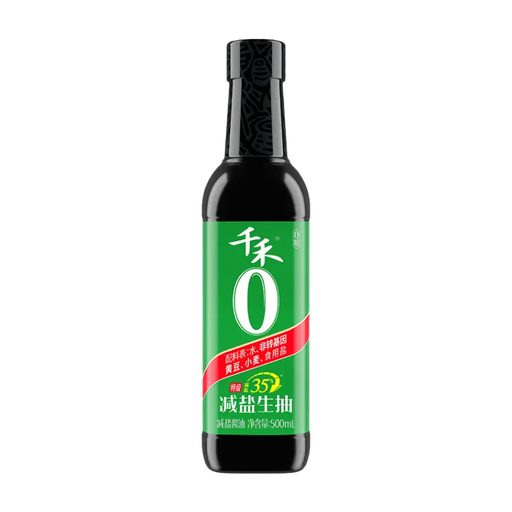
Why This Fits Their Persona: Ideal for those who want full soy sauce flavor with reduced sodium intake. Perfect for everyday cooking, from stir-fries to marinades, without making the dish overly salty.
This product avoids the pitfall of unclear salt content with a clear declaration ("35% Reduced Salt") and a verifiable value (11.5 g/100 ml). According to the manufacturer, it also contains no added MSG or preservatives.
The salt content is significantly reduced to 11.5 g/100 ml. According to the Qianhe brand, it achieves an amino acid nitrogen content of ≥1.0 g/100 ml, ensuring a rich umami flavor despite less salt.
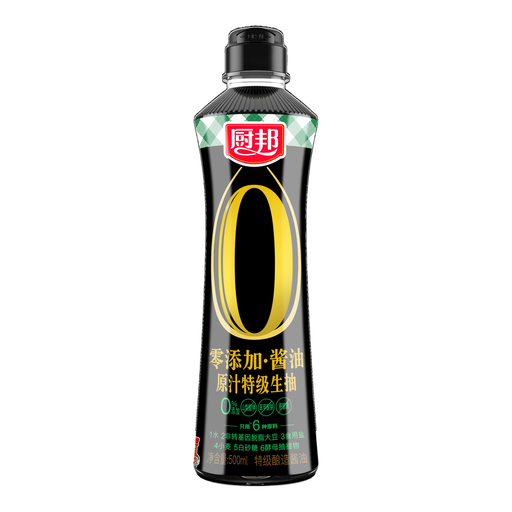
Why This Fits Their Persona: For home cooks who value pure, unadulterated taste and a clean ingredient list. This sauce is excellent for enhancing the natural flavor of high-quality ingredients without overpowering them with artificial additives.
The product name "Zero Additives" says it all. It counters the pitfalls of hidden additives and misleading premium labels by offering transparency. The ingredient list is short, consisting of water, soybeans, salt, wheat, sugar, and yeast extract.
The absence of any additives like preservatives or flavor enhancers. The high protein content of 12.7 g/100 ml indicates an intense, natural savoriness and a rich umami flavor.
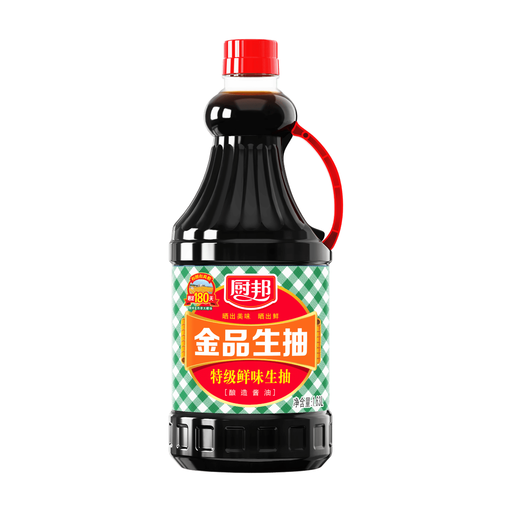
Why This Fits Their Persona: An economical and versatile solution for high-consumption households or small food service businesses. The large bottle ensures there is always enough soy sauce on hand for daily cooking, marinating, and seasoning.
This product addresses the practical pitfall of constantly having to repurchase smaller, more expensive bottles. It is a pragmatic choice designed for a good price-to-volume ratio for regular use.
The large 1.63L container offers a significant cost advantage for frequent use. The high protein content of 10.7 g/100 ml provides a robust flavor that is well-suited for cooking.
We have compiled a complete, up-to-date list of products that fully meet these strict selection criteria.
Light soy sauce (生抽, sheng chou) is thinner, lighter in color, and saltier in taste. It is mainly used for seasoning during cooking or as a dipping sauce to enhance the natural flavor of foods without significantly altering their color. Dark soy sauce (老抽, lao chou) is aged longer, is thicker, and is often mixed with molasses or caramel. It is less salty but has a more intense, sweeter flavor and is primarily used to add color to dishes like braised meats or noodles.
After opening, light soy sauce should be tightly sealed and stored in a cool, dry, and dark place, ideally in the refrigerator. This slows down the oxidation process and helps maintain the aroma and quality for several months. Unopened, it can often last for several years if stored correctly.
Focus on three key points: a short ingredient list without artificial additives, a natural brewing process (often declared as "naturally brewed" or "fermented"), and, if listed, a high amino acid nitrogen content (ideally ≥ 1.0 g/100 ml). A clear, reddish-brown color and a rich but not overpowering aroma are also good indicators.