
Lieferung heute & morgen

Qualitätsgarantie

Willkommens-Angebote freischalten: KOSTENLOSE Lieferung | Bis zu 80 % RABATT | Kostenlose 30-Tage-JoyPlus-Testphase
App herunterladen
A good lip gloss should shine, feel comfortable on the lips and suit your personal make-up style. In practice, however, three common buying misconceptions often lead to the wrong choice: a glossy surface is automatically associated with nourishment, a plumping effect is interpreted as a genuine change in volume, and shade names such as “Nude” or “Rose” are chosen without looking at the actual colour.
This buying guide explains which properties really matter when choosing lip gloss, lip tint and lip balm. The selection is based on clear product information such as texture, ingredients, finish, colour intensity, application and packaging details.
A glossy lip gloss can make the lips appear smoother. However, this alone says little about its nourishing properties. If you have dry lips, you should check the full INCI list. Shea butter, murumuru butter, squalane, jojoba oil or argan oil can contribute to a smooth skin feel, depending on the formulation. However, the specific effect depends on the complete formula.
A pure high-shine gloss can look appealing, but it does not necessarily replace a nourishing lip balm. If your lips are rough or stressed, applying a separate lip care product as a base is often a sensible choice.
A lip gloss with a plumping effect can make lips look fuller through shine, light-reflecting particles or certain ingredients. Products containing mint, chilli or similar components may also create a cooling or tingling sensation. This does not represent a medical or permanent change in volume.
If you have sensitive lips, apply new products sparingly at first. If redness, burning or other reactions occur, stop using the product. The information on the packaging takes precedence.
The description non-sticky lip gloss is a product characteristic, but it is not a legally standardised measurement. How it feels on the lips can vary depending on the condition of your lips, the temperature and the amount applied. A thin layer will often feel lighter than several layers.
There are various textures to consider for glossy lips:
Also pay attention to coverage. A transparent lip gloss only slightly changes the colour of your lips, whereas a tinted lip gloss or lip tint creates a more noticeable colour effect.
Read the INCI list particularly carefully if your lips are sensitive to fragrances or cooling ingredients. Menthol, camphor, chilli extracts, fragrances and essential oils can cause an unfamiliar sensation or irritation in some people.
For vegan products, check the relevant label directly on the product page. “Natural ingredients” does not automatically mean that a product is fragrance-free or suitable for everyone. Individual intolerances are also possible with plant-based oils and waxes.
The fill quantity helps when comparing prices: a 2.5 ml product should be assessed differently from a 10 ml lip gloss. Compact tubes or sticks are practical for use on the go. A precise applicator can be helpful with bold colours or when creating a clearly defined lip line.
Before buying, also check the expiry date, batch number, manufacturer details and the responsible person in the EU. The current ingredients list on the product packaging is decisive, as formulations may change.
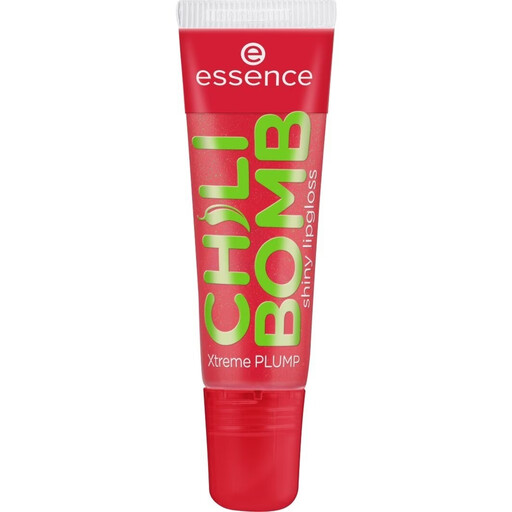
Why this product suits the profile: The 10 ml size, medium coverage and shimmering shade are ideal for anyone looking for an easy introduction to tinted, volumising lip care.
The product information explicitly describes the plumping effect as a visual effect. Chilli extract may create a noticeable sensation; if irritation occurs, use should be discontinued.
Vegan according to the product description, with a non-sticky texture and shimmering finish, and suitable for use alone or over a lip liner.
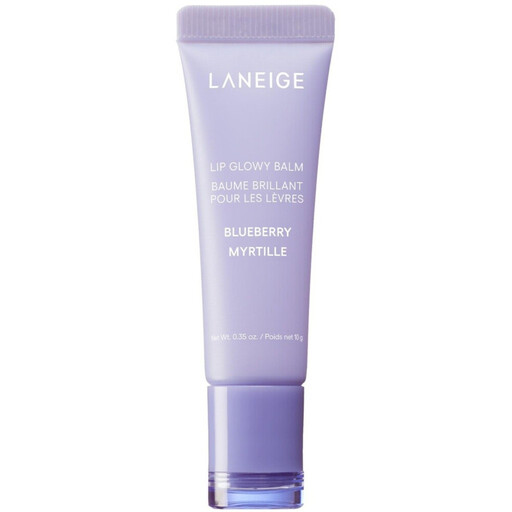
Why this product suits the profile: This lip balm is designed for anyone who wants to combine a subtle shine, a light tint and a nourishing balm texture for everyday wear.
The product description clearly distinguishes care and shine from a classic plumping gloss. Shea butter and murumuru butter are included in the stated formulation.
10 g content, sheer violet tint, non-sticky texture and, according to the product information, suitable for use alone or as a base beneath lip colour.
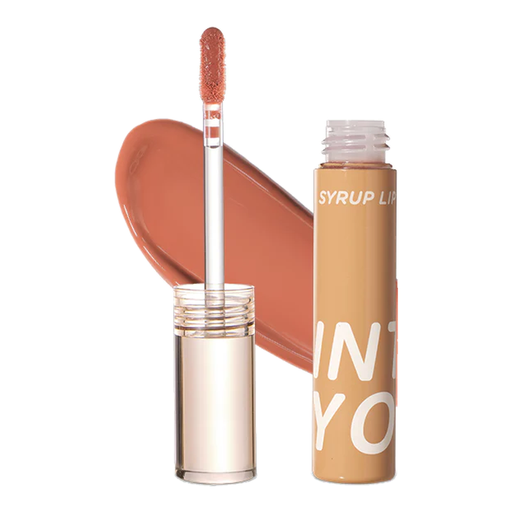
Why this product suits the profile: The buildable coverage appeals to anyone who wants to switch between a natural tint and more intense, glossy lip make-up.
The product information describes a lightweight water-oil formula and non-sticky shine. This allows the intensity to be built up gradually rather than offering only one highly pigmented colour level.
Argan oil is included according to the product description, while the specially shaped applicator supports precise application.
We have put together a complete, regularly updated list of products that fully meet these strict selection criteria and the safety regulations applicable in the EU.
For an even result, your lips should be clean and as free as possible from dry flakes of skin. If your lips are dry, you can apply a thin layer of lip balm first. Gently remove any excess product before applying gloss, so that the colour layer does not slip.
Transparent lip gloss is ideal as a finish over lip tint or lipstick. Tinted lip gloss can be worn on its own. For added dimension, apply a little shine to the centre of the lower lip and the cupid’s bow. Several thin layers are usually easier to control than one thick layer.
How long it lasts depends on the formula, application, eating, drinking and friction. Gloss generally does not form a completely set film like some long-lasting lip colours. A compact applicator is practical for refreshing the shine after eating or drinking when you are out and about.
Lip gloss focuses on shine and a visible coating. Lip tint focuses more strongly on colour and can leave a softer or longer-lasting impression of colour. Lip balm is primarily intended to provide a smooth skin feel and, depending on the formulation, may be transparent or lightly tinted.
Start by checking the ingredients and avoid products that have already caused a reaction for you. A nourishing lip balm can be useful as a base. If symptoms persist, or if you experience severe redness or open sores, the cause should be medically assessed.