
Lieferung heute & morgen

Qualitätsgarantie

Willkommens-Angebote freischalten: KOSTENLOSE Lieferung | Bis zu 80 % RABATT | Kostenlose 30-Tage-JoyPlus-Testphase
App herunterladen
A lip tint combines lip colour with a lighter, often fluid texture. Depending on the formula, the finish may look glossy, velvety or matte. Korean and Asian cosmetics in particular offer a wide range of long-lasting lip colour, lip stains and buildable shades.
The choice may seem straightforward at first, but some product claims can lead to disappointing purchases. It is not just the colour and packaging that matter, but also the finish, ingredient list, applicator and realistic expectations of how long it will last.
A long-lasting lip tint may leave a veil of colour after the shine has faded. This is different from a lip tint that is completely waterproof or transfer-proof. Drinks, greasy foods, lip care products and friction all affect how long it lasts.
If you are looking for particularly high staying power, look for specific claims such as ‘waterproof’ or ‘transfer-proof’. These statements should be understood as claims made by the relevant brand and do not replace testing the product in your own daily routine.
A glossy lip tint may initially look particularly intense, while a softer colour remains once the glossy film wears off. A matte lip tint usually contains more pigment or dries down more firmly. This can look even and polished, but may feel less comfortable on dry lips.
Terms such as ‘moisturising’ also describe a formulation or marketing feature. They are not medical claims. If you have sensitive lips, it is worth checking the fragrance, alcohol and complete INCI list.
Your natural lip colour, pigmentation and skin undertone all affect the result. Coral and orange shades may look different on cool undertones than on warm ones. Nude shades may be less visible on more highly pigmented lips. Product images should therefore be used as a guide only.
Before buying, be clear about the result you want for everyday wear:
Terms such as ‘long-lasting’, ‘24H’ and ‘stain’ should not automatically be treated as meaning the same thing. Check whether the brand also provides information about water and transfer resistance. For removal, a dedicated lip make-up remover may be useful for formulas with particularly strong staying power.
The packaging should include the complete list of ingredients, the responsible economic operator in the EU, batch details and instructions for use. If you have known sensitivities or react to fragrances, compare the INCI list carefully. Cosmetics are for external use only; discontinue use if irritation occurs.
The applicator affects precision. A classic doe-foot applicator is suitable for creating colour gradients. A cushion applicator can make application easier when you are out and about, but requires a controlled amount of product.
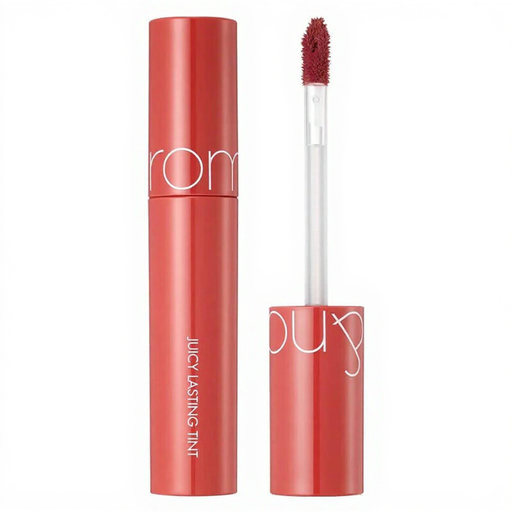
Why this product suits this profile: According to the product description, the fluid formula offers buildable coverage and a glossy, fruit-inspired look. This allows you to adjust the colour intensity gradually.
The colour can be applied in thin layers, rather than requiring you to buy a very opaque shade straight away.
Glossy finish, integrated applicator and several fruit extracts according to the product description.
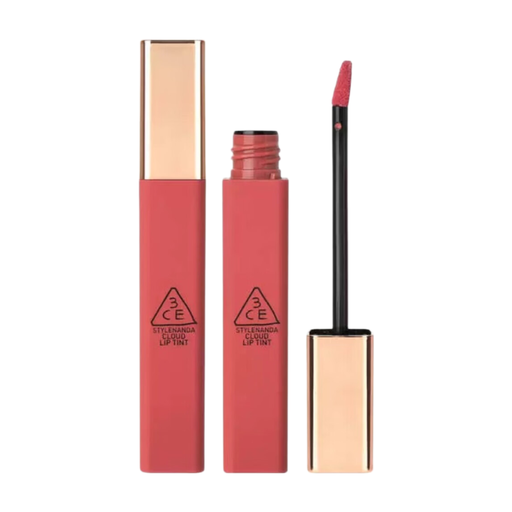
Why this product suits this profile: According to the product information, the cloud-like texture is lightweight, highly pigmented and has a soft matte finish.
The description specifically mentions buildable intensity and even application, rather than simply making a blanket claim about staying power.
4 g of product, a soft matte finish and suitability for both subtle and more intense looks.
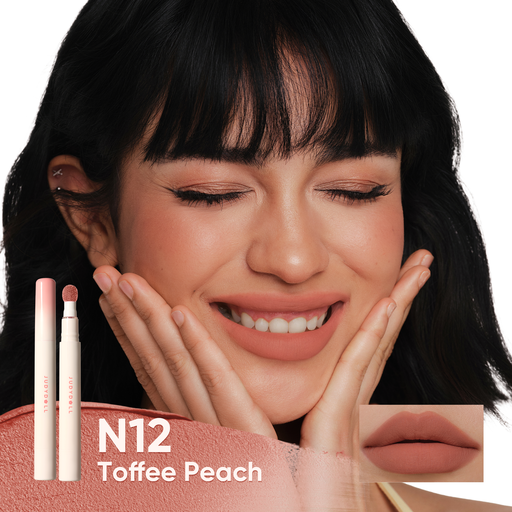
Why this product suits this profile: According to the product information, this matte lip cream is designed to be waterproof and transfer-proof. The cushion tip supports controlled application.
Water and transfer resistance are stated explicitly, rather than being grouped under the general term ‘long-lasting’.
Matte finish, cushion applicator and balanced, even coverage according to the product description.
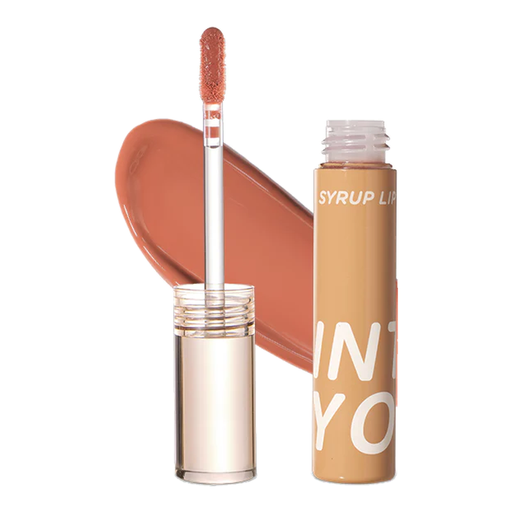
Why this product suits this profile: According to the product description, the water-and-oil-based formula is designed to glide on without stickiness, leaving a glossy finish with buildable coverage.
The product can be applied in a thin or more intense layer, making it easier to control both the shine and colour intensity.
Non-sticky glossy finish, buildable coverage and argan oil as an ingredient in the stated formula.
We have put together a complete, regularly updated list of products that fully meet these strict selection criteria and the safety regulations applicable in the EU.
For a natural colour gradient, apply the lip tint to the centre of the lips first, then blend outwards. A thin first layer helps reduce visible edges. Once it has dried, a second layer can build up the intensity. With matte formulas, it is best to apply them to a smooth, non-greasy lip surface.
Before using the product for the first time, consider your individual tolerance. Do not apply it to irritated or damaged lips, and avoid contact with the eyes. The specific instructions on the packaging and product page take precedence.
This depends on the formula, application, eating, drinking and lip care. A lip stain may still leave colour behind after the shine has faded. However, it is not possible to give a general indication of staying power for all products.
A lip tint is often more fluid and leaves a lighter veil of colour. Lipstick usually provides a creamier or more opaque layer of colour. Depending on the formula, lip creams and lip muds sit somewhere between these product types.
You can start with an oil-based make-up remover or one specifically designed for the lips. Allow the product to work for a short time, then remove it without rubbing vigorously. The individual manufacturer’s instructions remain authoritative.