
Lieferung heute & morgen

Qualitätsgarantie

Willkommens-Angebote freischalten: KOSTENLOSE Lieferung | Bis zu 80 % RABATT | Kostenlose 30-Tage-JoyPlus-Testphase
App herunterladen
A lip tint combines colour with a lightweight texture and is often marketed as a long-lasting alternative to lipstick or lip gloss. However, choosing the right product is not always easy for K-Beauty fans and make-up users in the UK: lip tints, tinted lip balms, lip glosses and classic lip colours can differ considerably in feel, colour payoff and caring properties.
As a Joybuy Product Recommendation Officer, I provide an objective overview of the most important product features. This makes it easier to identify which lip tint suits your everyday routine, preferred colour and ideal finish.
A long-lasting lip tint often contains film-forming ingredients to help the colour adhere to the lips. This can support staying power, but on its own it says nothing about how the product feels or how nourishing it is. If you tend to have dry lips, you should also look for nourishing oils, waxes or humectants.
A lip tint with a high alcohol content can feel different from a tinted lip balm containing oils and butters. The complete INCI list on the packaging therefore remains the key reference.
A colour name such as “Cherry”, “Fig”, “Nude” or “Red” will not produce the same result on everyone. Your natural lip colour has a significant influence on the final effect. A nude lip colour may look subtle on pigmented lips, while a red lip colour may appear more intense.
The layering technique also changes the result: one thin layer often looks more sheer, while several layers increase colour intensity. With a lip tint, the product description should therefore match your preferred method of application.
Glossy lips are usually created by oils, shine-enhancing ingredients or a gloss texture. These may wear off more quickly when eating or drinking than a matte lip colour. A glossy lip tint or lip gloss may therefore need to be reapplied.
Conversely, a matte lip colour may remain visible for longer but feel drier. Terms such as “moisturising” or “nourishing” should be understood as descriptions of the ingredients used, not as medical claims.
The product type has more influence on how it is used than the colour name:
If you are looking for a product with a focus on care, you can also browse the tinted lip balm category for suitable alternatives.
The ingredients listed according to INCI should be checked on the packaging. Common ingredients in lip tints include glycerine or glycols as humectants, silicones for a smooth skin feel, and waxes, oils or film-forming agents for consistency and staying power.
It is worth paying particular attention to fragrances or known allergens such as Limonene, Linalool or Parfum. If you have sensitive lips, a fragrance-free product may be a suitable option, provided the other ingredients are well tolerated. Stop using the product if irritation occurs.
Do not compare the price alone; also consider the net contents. The selection includes products containing, for example, 2 g, 3,5 g, 4 g, 4,5 g or 10 g. An applicator is useful if you want to apply the colour precisely or blend it into a gradient effect.
For an even application:
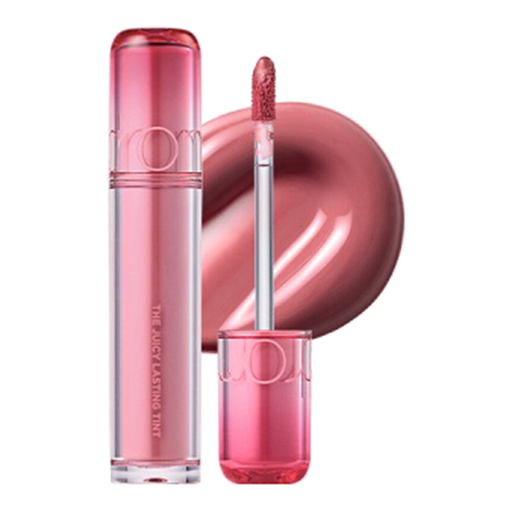
Why this product suits this profile: The grape-inspired nude shade is ideal for subtle everyday looks and, according to the product description, can be softly blended with your finger.
The buildable application helps prevent overly intense colour payoff on the first application.
Lightweight texture, 3,5 g contents and a softly blurred finish according to the product details.
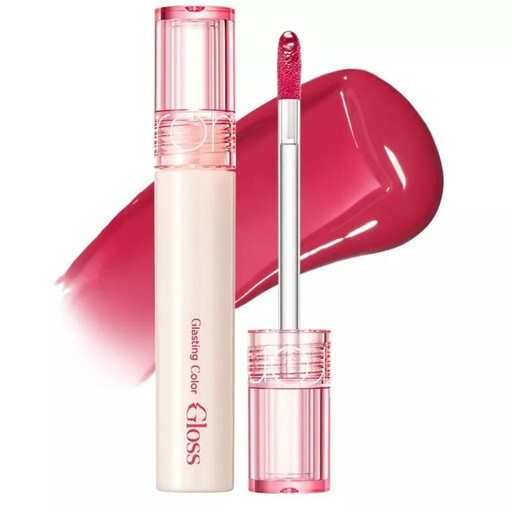
Why this product suits this profile: The glossy cherry shade is aimed at users who prefer high colour saturation and a glass-like finish.
The description specifically mentions a non-sticky glossy texture, helping to reduce the typical heavy feel associated with gloss.
4 g contents, buildable application and a glossy finish according to the supplier’s details.
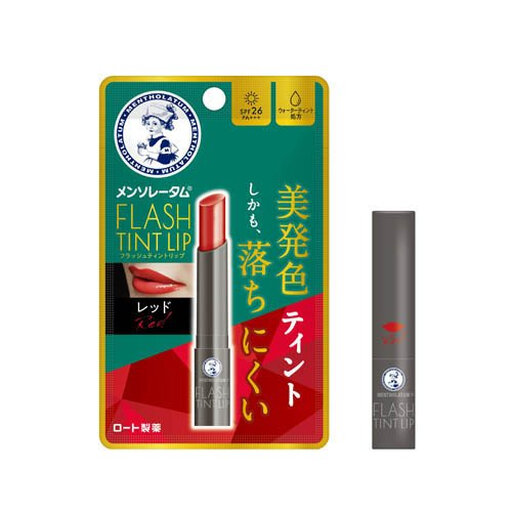
Why this product suits this profile: The stick combines a red tint with a balm texture, making it appealing to users looking for colour and lip care in one product.
The product details recommend building up the colour in two to three layers and warn against twisting the soft stick up too far.
2 g contents, fragrance-free formulation and SPF 26 with PA+++ according to the product description.
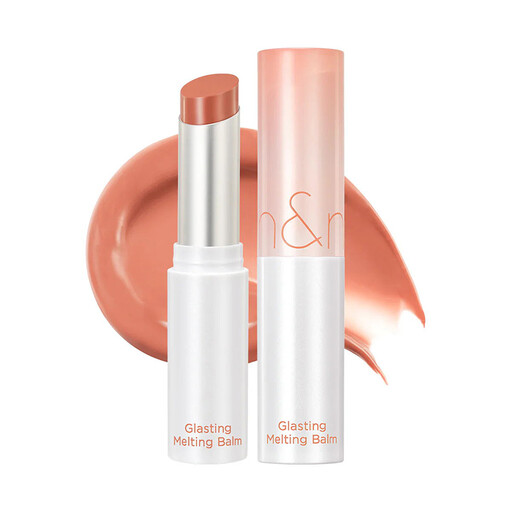
Why this product suits this profile: The melting balm texture is designed to create a dewy look with a subtle, fruity Kaya Fig shade.
The balm formula is an alternative to strongly drying, colour-focused tints and can be worn alone or under lipstick.
3,5 g contents, a glossy appearance and several oils and butters listed in the stated INCI list.
We have put together a complete, regularly updated list of products that fully meet these strict selection criteria and the safety regulations applicable in the EU.
Start with a small amount in the centre of your lips and spread the colour outwards. For a softer K-Beauty gradient look, blend the lip line with your finger. Several thin layers are usually easier to control than applying a large amount of product at once.
Staying power depends on the formula, application, lip care, eating and drinking. A product containing film-forming agents may remain visible for longer than a lip gloss, while a tinted lip balm may need to be refreshed more frequently. Manufacturer claims such as “long-lasting” should always be considered alongside the finish and application method.
For dry lips, creamy balm textures, lip oils or formulas containing oils, waxes and humectants may be suitable. A matte lip colour can also be used, but you should first check how well it is tolerated and how comfortable it feels. Stop using the product if you experience burning, redness or itching.