
Lieferung heute & morgen

Qualitätsgarantie

Willkommens-Angebote freischalten: KOSTENLOSE Lieferung | Bis zu 80 % RABATT | Kostenlose 30-Tage-JoyPlus-Testphase
App herunterladen
The world of liqueurs is vast, ranging from fruity and sweet to herbaceous and bitter. But when it comes to buying liqueur, you're often faced with a daunting selection. If you're not careful, you might invest in products that don't meet your expectations or are unsuitable for your planned occasion. This guide will help you avoid common pitfalls and make an informed decision.
Before you make a choice, you should be aware of three common problems that often lead to a bad purchase:
To avoid these pitfalls, you should check three key parameters. These will help you objectively assess the quality and suitability of a liqueur.
Liqueurs can be broadly categorised by their main ingredients and their ideal use case. Understanding these categories is the first step to making the right choice.
The base spirit and sugar content significantly define a liqueur's character.
Choosing the right bottle size can save money and prevent waste.
Here are some recommendations tailored to different user profiles that take the above criteria into account.
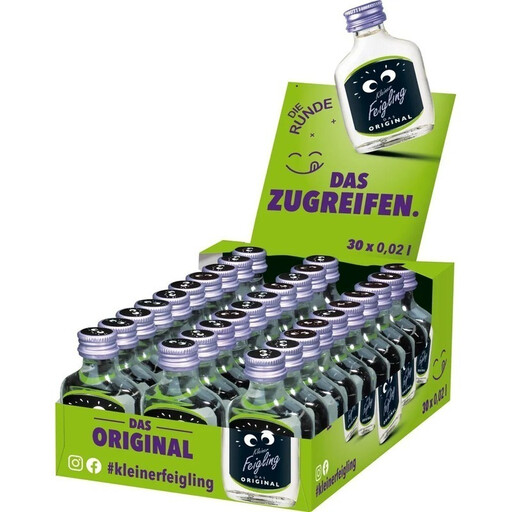
Why This Fits Their Persona: Ideal for hosts looking for a simple and popular option for celebrations. The pre-portioned party shots require no mixing or measuring and are ready to serve immediately.
Solves the "bulk-bottle commitment" and "wrong type for the occasion" problems. The liqueur miniatures are perfect for a party, and the well-known fig flavour is designed specifically for this purpose.
Convenient single servings; fruity, mild flavour with a vodka base; well-known drinking ritual creates a fun atmosphere.
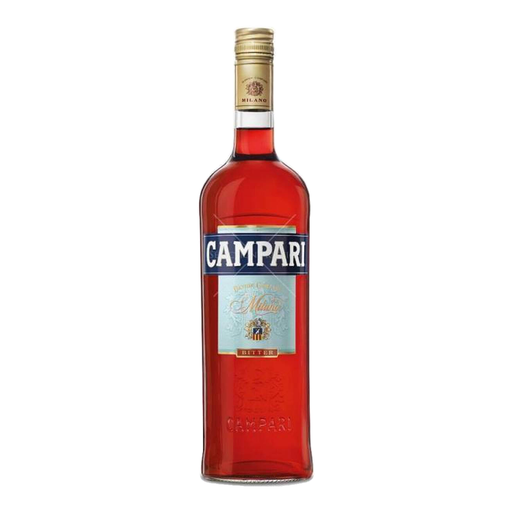
Why This Fits Their Persona: An essential ingredient for any well-stocked home bar. Campari is the foundation for world-famous cocktails like the Negroni or Americano, making it a must-have for anyone who wants to mix classic drinks.
Bypasses the "flavour trap" with a recipe of herbs and fruits that dates back to 1860. As a timeless classic, it's not a short-lived trend but a cornerstone of bar culture.
Distinctive bittersweet flavour profile; versatile base for numerous aperitif cocktails; iconic ruby-red colour.
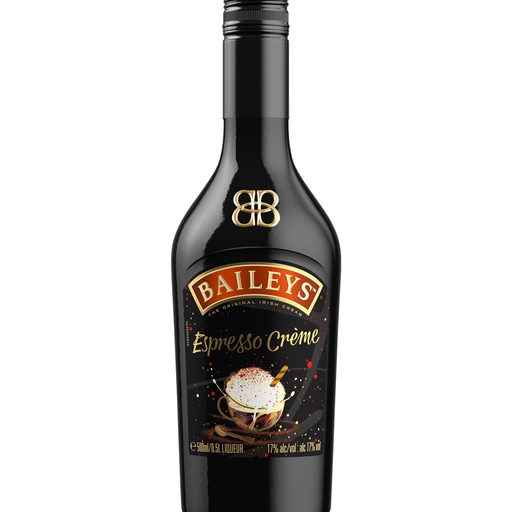
Why This Fits Their Persona: A delicious twist on the classic cream liqueur for anyone who appreciates coffee and chocolate notes. Perfect as a dessert companion, over ice cream, or to enrich hot beverages.
Its clear positioning as an espresso cream liqueur prevents confusion with other liqueur types. The Baileys brand stands for consistent quality based on Irish whiskey and cream.
A combination of Irish whiskey, cream, and Colombian coffee; versatile in use; best served chilled.
We've compiled a complete, up-to-date list of products that fully meet these strict selection criteria.
Shelf life depends heavily on the type. Herbal liqueurs and fruit liqueurs with high alcohol content can last for many months or even years after opening if stored in a cool, dark place, though they may lose some aroma over time. Cream liqueurs are an exception: they contain dairy and should be refrigerated after opening and consumed within a few months. Always check the manufacturer's instructions on the label.
The main difference lies in the timing and purpose of consumption. An aperitif (e.g., Campari) is drunk before a meal. It is often bitter or dry and is intended to stimulate the appetite. A digestif (e.g., Ramazzotti Amaro or J?germeister) is served after a meal. It is usually herb-based and is meant to aid digestion.
Theoretically, yes, but not every liqueur harmonises with all ingredients. Fruit liqueurs, bitter liqueurs, and some herbal liqueurs are very versatile liqueurs for cocktails. Heavy cream liqueurs, on the other hand, are better suited for creamy cocktails or hot drinks and are less appropriate for spritzy long drinks. The art of mixology lies in finding flavours that complement, rather than compete with, each other.