
Lieferung heute & morgen

Qualitätsgarantie

Willkommens-Angebote freischalten: KOSTENLOSE Lieferung | Bis zu 80 % RABATT | Kostenlose 30-Tage-JoyPlus-Testphase
App herunterladen
If you’re looking to buy liqueur online, you’ll find a wide choice of bottles, gift sets and flavours. But miniature liqueurs, herbal liqueurs, fruit liqueurs and creamy varieties differ in more than just their labels and brands. Alcohol content, bottle size, ingredients and intended use all help determine whether a product is right for your home bar, a celebration or a gift.
This guide from the Joybuy Product Recommendation Officer sets out the key things to consider and explains which types of product suit different occasions.
A 0.7 l bottle can look much like a miniature set in product photos. In reality, party shots often contain just 20 ml per bottle. For example, a set of 16 miniatures at 0.02 l each contains 0.32 l in total. Before buying, always check the total volume, not just the number of bottles.
Depending on the variety, liqueurs range from relatively mild options to products with 40 % vol. A fruity liqueur at 15 % vol. may work well in long drinks or sweet mixes, while Sambuca or Ouzo at 38 or 40 % vol. respectively will taste considerably stronger. So terms such as ‘sweet’, ‘fruity’ or ‘spiced’ are no substitute for checking the alcohol content.
Creamy products may contain milk or lactose, while flavoured grain-based products may contain gluten. Some products also list sulphites. If you have an intolerance, check the information on the product label. Warnings such as ‘contains liquorice’ are also important: the Kettenfett Licorice Liqueur label advises people with high blood pressure to avoid excessive consumption.
In Germany, alcoholic drinks may only be sold to adults aged 18 and over. Alcoholic drinks should be avoided during pregnancy and while breastfeeding.
Bottles of 0.5 to 0.7 l are usually more practical for a home bar or cocktails. If you want to offer a range of flavours, stock up for a celebration or give smaller portions as gifts, liqueur minis or party shots could be a good choice.
This simple calculation can help:
Miniatures are pre-portioned, so there’s no need to measure them out. For business use, such as in a newsagent’s, off-licence or hospitality venue, remember to consider storage and refrigeration space as well as the number of bottles.
Alcohol content affects how a liqueur can be used:
The recommended way to serve a liqueur is another useful guide. Some are best served chilled or neat, while others work well in cocktails, coffee, desserts or mixed drinks. Creamy varieties such as chocolate liqueur should be stored and used according to the manufacturer’s instructions.
Before ordering liqueur, decide what kind of flavour you’re looking for:
Origin, the responsible person, storage instructions and allergen labelling are also important when making an informed choice. Claims such as ‘premium’ or ‘particularly exclusive’ shouldn’t be the only deciding factors.
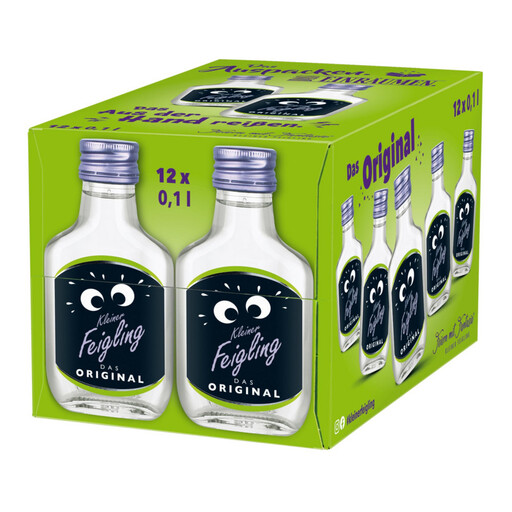
Why this product suits this profile: Twelve bottles of 0.1 l each provide convenient portions for smaller celebrations, a home party room or sale in a newsagent’s. The stated alcohol content is 20 % vol., and the flavour is sweet and fruity, with notes of fig.
The amount in each bottle and the total number of bottles are clearly stated. This makes it easier to work out how much you’ll need than with a large, unportioned bottle.
12 × 0,1 l; 20 % vol.; German producer based in Eckernförde; no allergens according to the product information.
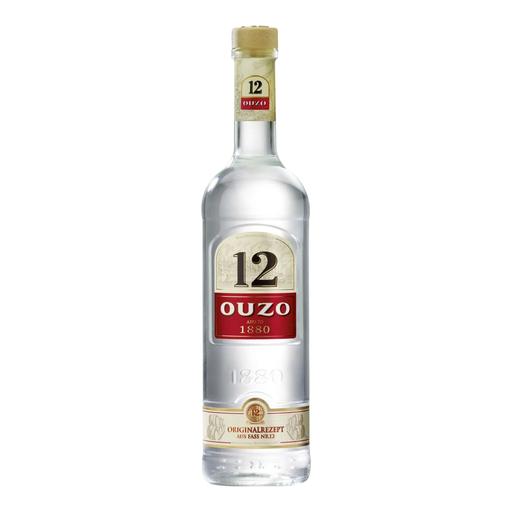
Why this product suits this profile: This 0.7-l bottle is for anyone looking for a classic aniseed liqueur for their home bar or a social occasion. It has an alcohol content of 38 % vol., with notes of aniseed, coriander, cinnamon, cardamom and nutmeg.
The alcohol content and recommended ways to serve it — chilled, neat or diluted with iced water — are clearly specified.
0,7 l; 38 % vol.; Greek origin; pronounced aniseed flavour with several spice notes.
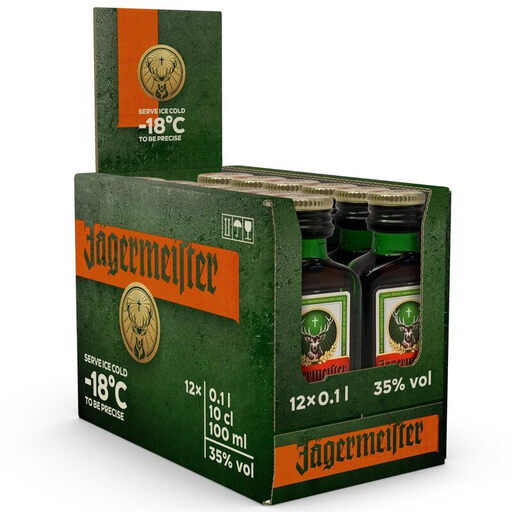
Why this product suits this profile: This set contains 24 pre-portioned bottles of 0.04 l each, with a total volume of 0.96 l. It’s suitable for larger celebrations, stocking the fridge or business purchases. The stated alcohol content is 35 % vol., and the allergens listed are sulphites and milk.
The exact number of bottles, individual bottle size and total volume make planning easier. The stated allergens help you make an informed choice.
24 × 0,04 l; 35 % vol.; total volume 0,96 l; herbal flavour profile made with 56 listed herbs, roots, flowers and fruits.
Other options range from peppermint liqueurs such as Berliner Luft or Kümmerling, and cinnamon liqueurs and Franzi Franzbrötchen, to coconut liqueur, chocolate liqueur and fruity raspberry varieties. Malibu and Bols Blue Curaçao are examples of liqueurs that work well in cocktails. When choosing a liqueur as a gift, consider the recipient’s taste, the packaging, bottle size and occasion — not just the label.
We’ve put together a complete, regularly updated list of products that meet these strict selection criteria and fully comply with the safety regulations in force across the EU.
Miniature sets with 20 or 40 ml per bottle are easy to portion out at parties. Fruit and peppermint liqueurs are often served chilled. For a larger gathering, calculate the total volume you’ll need based on the number of guests.
Shelf life depends on the variety and the manufacturer’s instructions. Spirits with a higher alcohol content should be tightly sealed after opening and stored in a cool, dry place away from direct sunlight. Pay particular attention to the label instructions for creamy liqueurs. A change in appearance, an unusual smell or a change in flavour are signs that it should no longer be consumed.
Price depends on factors such as brand, alcohol content, origin, bottle size and pack size. When comparing products, don’t just look at the price per bottle. Check the price per 100 ml, the number of portions and any delivery costs. This makes it easier to compare a 0.7-l bottle, a miniature liqueur set and party shots.