
Lieferung heute & morgen

Qualitätsgarantie

Willkommens-Angebote freischalten: KOSTENLOSE Lieferung | Bis zu 80 % RABATT | Kostenlose 30-Tage-JoyPlus-Testphase
App herunterladen
Anyone planning to buy magnesium is often faced with a bewildering array of options. The selection is vast, manufacturers' promises are varied, and the labels raise more questions than they answer. Many people end up choosing a product that looks convincing at first glance, only to find later that it doesn't provide the expected benefits or is poorly tolerated.
As your Joybuy Product Recommendation Officer, I'm here to filter the relevant information from the marketing noise. In this guide, I'll show you the three most common pitfalls when buying magnesium and what you should look for instead to make an informed decision.
Before we dive into the important quality features, let's identify the typical marketing traps that often lead to the wrong choice.
To avoid these traps, you should check three key parameters before buying. These will help you objectively assess the quality and suitability of a product.
The type of magnesium compound is a key factor in how well the body can absorb and utilise the mineral (its bioavailability) and how well it is tolerated.
Always look for the amount of elemental magnesium on the nutrition facts panel, usually on the back of the packaging. This number tells you how much pure magnesium is actually in each dose (e.g., per tablet or sachet). The recommended daily intake for adults, according to the German Nutrition Society (DGE), is 300 to 350 mg, but this can vary depending on lifestyle (e.g., for magnesium for athletes). Products with 400 mg or more are considered high-dose.
The choice of dosage form depends on your personal preferences and daily routine.
Based on the criteria mentioned, we have compiled a selection of products for various requirements.
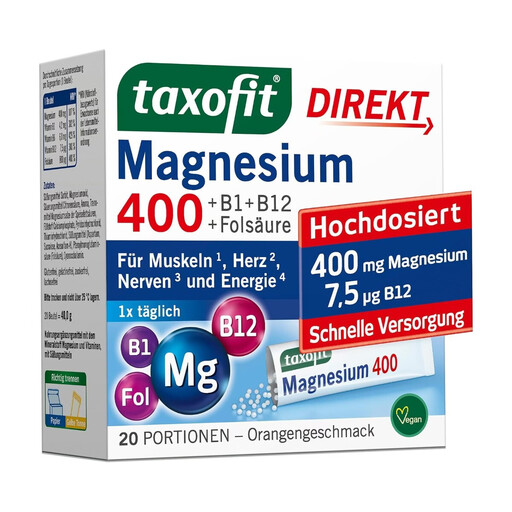
Why it's a good fit: Perfect for professionals or travellers who need a simple and fast magnesium supply. The direct granules can be taken without water and fit into any bag.
The dosage of 400 mg of elemental magnesium is clearly declared. The granule form is a deliberate choice for practical use, not just a marketing gimmick.
Combines a high dose of magnesium with vitamins B1, B6, and B12, which support energy metabolism and the nervous system.

Why it's a good fit: Athletes and people with high physical demands often have an increased need for magnesium to support muscle function and prevent cramps. This product delivers a very high dose with time-release technology.
It avoids the "high-dose" trap by delivering a genuinely high dose of 600 mg of elemental magnesium and clearly stating the depot effect as a functional benefit for a steady supply over several hours.
The depot tablet releases nutrients over several hours, ensuring a continuous supply. It also contains Vitamin D, which contributes to the maintenance of normal bones and muscle function.

Why it's a good fit: For individuals who prioritise maximum bioavailability and tolerability. The combination of different magnesium forms can optimise absorption and reduce the risk of gastrointestinal discomfort.
It avoids the compound trap by not relying on a single, cheap form. Instead, it deliberately combines four different compounds (Citrate, Bisglycinate, Malate, Oxide) to ensure a broad absorption spectrum.
The formula is vegan, free from gluten, lactose, and soy, and contains no unnecessary fillers, making it a pure and well-tolerated option.
We have compiled a complete, up-to-date list of products that fully meet these strict selection criteria and German safety regulations.
There is no one-size-fits-all rule, but intake can be adjusted based on your goals. Taken in the morning, magnesium, along with B vitamins, can contribute to normal energy metabolism. Taken in the evening, it can support normal muscle function and promote relaxation, which can be particularly helpful for those prone to nighttime leg cramps.
Long-term use is generally possible, especially if there is an increased need (e.g., due to sports, stress) or if dietary intake is insufficient. However, it is advisable to stick to the manufacturer's recommended daily dose. For amounts over 250 mg of magnesium per day, a mild laxative effect may occur in sensitive individuals. If you have existing kidney disease, you should consult a doctor before taking it.
You can recognise a high-quality supplement by three key points:
Disclaimer: This article is for informational purposes only. Dietary supplements are not a substitute for a balanced and varied diet and a healthy lifestyle. Adhere to the manufacturer's recommended intake. If you have health problems or pre-existing conditions, please consult a doctor or pharmacist.