
Lieferung heute & morgen

Qualitätsgarantie

Willkommens-Angebote freischalten: KOSTENLOSE Lieferung | Bis zu 80 % RABATT | Kostenlose 30-Tage-JoyPlus-Testphase
App herunterladen
Magnesium supplements are often advertised with terms such as “high-strength”, “quickly available” or “for muscles and nerves”. However, these claims are only useful when the information on the label is interpreted correctly. The key factors are the amount of elemental magnesium, the compound used and a format that fits easily into your everyday routine.
For physically active adults, people with stressful daily routines or consumers with specific dietary preferences, there are various options to consider: magnesium tablets, magnesium capsules, effervescent tablets, direct granules or magnesium gummies. The right choice depends less on marketing claims and more on clear, verifiable product information.
A pack may state, for example, “magnesium citrate” or “magnesium glycinate”. However, what matters when comparing products is how much elemental magnesium per daily serving they contain. “1,422 mg magnesium glycinate” does not automatically mean that it contains 1,422 mg of pure magnesium.
You should therefore check the nutritional information and the entry for “magnesium per daily dose”. Only this figure can be directly compared with products labelled Magnesium 400 mg, Magnesium 500 mg or Magnesium 600 mg.
Products providing 400 to 600 mg of magnesium per daily serving are high-strength supplements. More is not necessarily better. According to the warnings on several products, magnesium servings above 250 mg may have a laxative effect in sensitive individuals. The recommended daily dose should not be exceeded.
If you already take a multivitamin or another mineral supplement, you should add up the amounts they contain. If you have kidney disease, are pregnant or breastfeeding, or take medication regularly, it is advisable to consult a medical professional.
Magnesium effervescent tablets may contain sweeteners, acidity regulators and flavourings. Direct granules are convenient, but may also contain sorbitol, sweeteners or – depending on the product – a source of phenylalanine from aspartame. Gummies often contain sugar or glucose syrup.
If you are shopping for vegan, gluten-free or lactose-free products, do not rely solely on the product name. Check the ingredients and allergen information instead.
Always compare the daily serving, not just the name of the active ingredient. A product containing 300 mg of magnesium per tablet should be assessed differently from a supplement that states 300 mg of a magnesium compound.
As a practical guide:
The EU reference intake for magnesium shown on packaging is 375 mg per day. This is a nutrient reference value, not an individual recommendation for use.
Magnesium citrate is often used in capsules, gummies and combination products. Magnesium bisglycinate is bonded to glycine and is often used by manufacturers in capsule products containing few additives. Magnesium oxide is found in many high-strength tablets and effervescent products.
The forms differ in their chemical composition and their proportion of elemental magnesium. Claims about absorption should not be applied universally to every product. The specific nutritional information, directions for use and your personal tolerance are therefore important.

Why this product suits this profile: One tablet provides 300 mg of magnesium. According to the available information, the product is gluten-free, lactose-free, sugar-free and vegan.
The amount of magnesium per tablet is clearly stated. This makes it possible to compare the dosage with other products without any conversion.
300 mg per daily serving, vegan labelling and a gluten-free and lactose-free formula according to the product information.
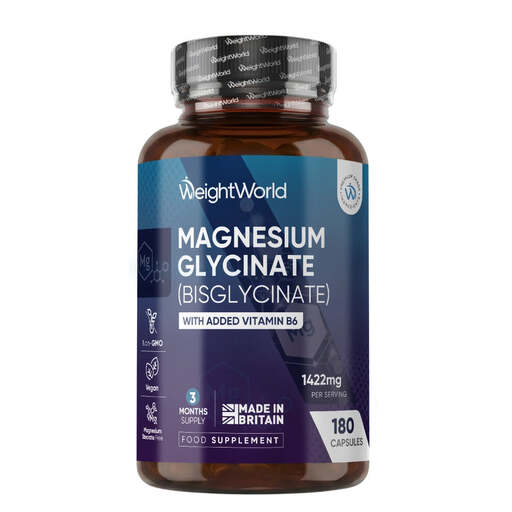
Why this product suits this profile: The capsules contain magnesium glycinate and, according to the supplier, are vegan and free from gluten, lactose and soya.
The product description lists the compound and the amount to take separately. However, buyers should still check the amount of elemental magnesium stated on the pack.
180 plant-based capsules, a recommended intake of two capsules a day and a clearly identified magnesium glycinate formula.

Why this product suits this profile: For adults who prefer taking one tablet a day and want a combination of magnesium oxide, magnesium citrate and magnesium bisglycinate.
The three magnesium compounds used are listed in the ingredients. Because of its high dosage, the 600 mg daily serving should not be combined with other magnesium products.
600 mg of magnesium per tablet, a sustained-release formula according to the product information, plus vegan, gluten-free and lactose-free labelling.
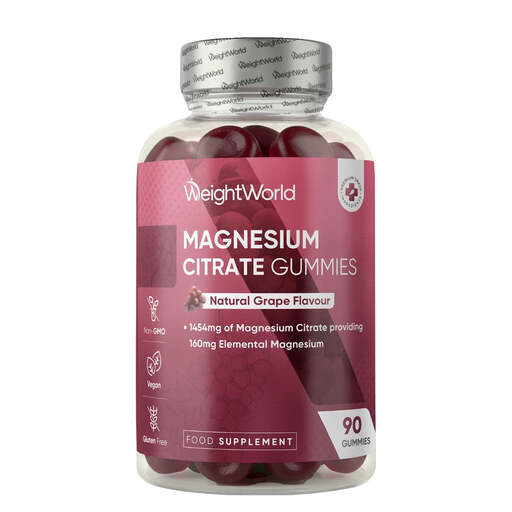
Why this product suits this profile: According to the product description, two gummies provide a combined 125 mg of elemental magnesium. This format is suitable for adults who prefer to avoid capsules or tablets.
The serving is lower than that of many 400 mg magnesium products. At the same time, the sugar and glucose syrup in the ingredients should be taken into account.
90 gummies providing 45 daily servings according to the supplier, plus a gluten-free, dairy-free and gelatine-free formula.
Follow the dosage recommended by the relevant manufacturer and take tablets or capsules with plenty of fluid. Effervescent tablets should be completely dissolved in the stated amount of water. Direct granules should be taken on the tongue according to the instructions on the pack.
If you have a sensitive digestive system, a lower daily serving or splitting the dose – where provided for by the product – may be more suitable than starting immediately with Magnesium 600 mg. You should also check for interactions with medicines and leave sufficient time between taking certain medicines and minerals if medically advised.
We have put together a complete, regularly updated list of products that fully meet these strict selection criteria and the safety regulations applicable in the EU.
The EU reference value for adults is 375 mg of magnesium per day from all sources. The right level of supplementation depends on your diet, the product dosage and your personal circumstances. The recommended daily dose stated on the label must not be exceeded.
No format is universally suitable for everyone. Capsules often contain fewer additional flavourings, while tablets offer a convenient single serving. The important factors are elemental magnesium, ingredients, allergens and tolerance.
Check the best-before date on the packaging. Store the product in a dry place, protected from light and out of the reach of children. Effervescent tablets and granules should be protected from moisture particularly carefully after opening.