
Lieferung heute & morgen

Qualitätsgarantie

Willkommens-Angebote freischalten: KOSTENLOSE Lieferung | Bis zu 80 % RABATT | Kostenlose 30-Tage-JoyPlus-Testphase
App herunterladen
Finding the right high-dose magnesium supplement can quickly become overwhelming. The market is saturated with a vast array of products, all promising optimal support. However, not every product delivers on its promise. Many consumers invest in supplements that are unsuitable for their individual needs or contain nutrients that are poorly absorbed by the body.
This guide is here to help. It highlights the most common pitfalls to avoid when shopping and explains the objective criteria you should look for to make an informed decision when you want to buy magnesium.
The 2 Most Common Pitfalls When Buying Magnesium Supplements:
To ensure you select a product that's right for you, you should check three key parameters. These will help you objectively evaluate the quality and suitability of a supplement.
When making your choice, always look for the declared elemental magnesium content per dose (e.g., per tablet or effervescent tablet). You can find this information in the nutritional table on the back of the packaging. Products with 400 mg of magnesium or more per daily dose are considered high-dose. However, take note of the warning found on many products: amounts over 250 mg of magnesium can have a laxative effect in sensitive individuals.
Magnesium is offered in various forms, which differ in their use and composition:
A combination with other nutrients can provide targeted support. Consider what goal you are pursuing:
Based on the objective criteria mentioned, we have compiled a selection of products for different user profiles.
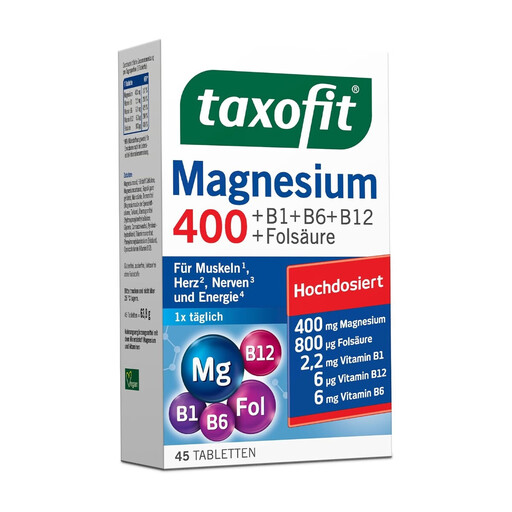
Why it's a good fit: Ideal for individuals looking for a straightforward, high-dose magnesium supply. The tablet form allows for simple, taste-neutral intake as part of a daily routine.
The product clearly declares 400 mg of magnesium per tablet, thus avoiding the dosage trap where the weight of the magnesium compound is highlighted.
Offers a high dose in a simple delivery form. The additional combination with B vitamins supports normal energy-yielding metabolism.

Why it's a good fit: Specially developed for the needs of athletes. The combination of magnesium and potassium supports normal muscle function and the electrolyte balance, which is affected by perspiration.
This product avoids the "combination chaos" by offering a targeted formula of magnesium and potassium, tailored to the specific requirements of magnesium for athletes.
The effervescent tablet form allows for rapid fluid and nutrient intake. The formula is designed to support muscle function and electrolyte balance.

Why it's a good fit: Designed for people with a demanding daily routine who want to reduce fatigue and support their nervous system. The combination with B vitamins is tailored to this goal.
This product offers a smart combination of high-dose magnesium and a B-vitamin complex, specifically addressing the need for magnesium for fatigue.
Combines two forms of magnesium (carbonate and citrate) with a comprehensive B-complex for broad support of energy metabolism and nerve function.
We have compiled a complete, up-to-date list of products that fully meet these strict selection criteria.
The optimal time for intake depends on your goal. To support muscle function during exercise, taking it before or after training can be beneficial. If you are using magnesium to promote relaxation and support a good night's rest, taking it in the evening is recommended. For high doses, it may be advisable to split the dose into two daily intakes to improve tolerability.
Magnesium supplements are designed to complement a balanced diet, not replace it. Long-term use can be appropriate in cases of a proven deficiency or a persistently increased need (e.g., due to intense sports). However, it is advisable to regularly review your nutrient intake and requirements.
Not necessarily, but it is possible. As stated on many product packages, daily doses of more than 250 mg of elemental magnesium can have a laxative effect in sensitive individuals. This is one of the most common side effects. Gradually increasing the dose, splitting it into several servings throughout the day, or choosing a different magnesium compound (e.g., magnesium bisglycinate) can improve tolerability.