
Lieferung heute & morgen

Qualitätsgarantie

Willkommens-Angebote freischalten: KOSTENLOSE Lieferung | Bis zu 80 % RABATT | Kostenlose 30-Tage-JoyPlus-Testphase
App herunterladen
Welcome, I'm your Joybuy Product Recommendation Officer. My role is to sift through market information and provide you with objective, practical advice to help you make informed purchasing decisions. In this guide, we'll explore Makgeolli, the traditional Korean rice wine.
The growing popularity of Korean culture has also brought its culinary treasures into the spotlight. If you're looking to buy Makgeolli online, you'll find a growing selection, but one that also presents a few pitfalls. Many buyers are unsure about its differences from other Asian beverages or overlook crucial product details, which can lead to disappointment.
The most common problems include:
This guide will help you understand these points and make the right choice.
To ensure you get a product that meets your expectations, you should check three key parameters before you buy rice wine.
A crucial characteristic is whether the Makgeolli is pasteurised (filtered and heat-treated) or unpasteurised (fresh, or "Saeng").
Check the product description for storage and shelf-life information. For beginners and for straightforward enjoyment, pasteurised Makgeolli is the recommended choice.
A look at the ingredient list reveals a lot about the quality and character of the drink. A traditional Korean rice wine consists mainly of water, rice, and a fermentation starter called Nuruk.
Pay attention to the type of sweetener:
Makgeolli is known for its relatively low alcohol content, typically ranging between 3% and 8% ABV. This makes it a light, sociable drink.
In contrast, Soju is a clear, distilled beverage with a much higher alcohol content (usually 12% to 25% ABV).
Based on these criteria, we have selected a few products from our range that suit different preferences and occasions.
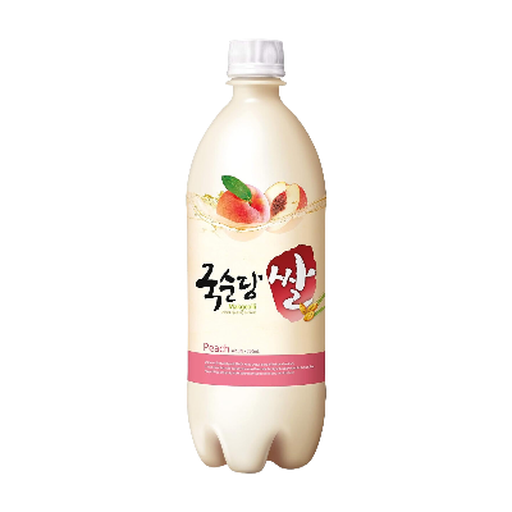
Why This Fits Their Persona: Ideal for anyone curious about Korean drinks but who prefers a familiar taste. The sweet peach flavour makes it an easy entry point and is perfect for social gatherings with friends who also want to try something new.
This product is clearly labelled as a flavoured, pasteurised Makgeolli. There are no surprises regarding a short shelf life or an unexpectedly complex taste. The low alcohol content of 3% ABV is typical and beginner-friendly.
Sweet, fruity, and slightly fizzy. The Kooksoondang brand is well-established in Korea. The 750ml bottle is a good size for sharing.
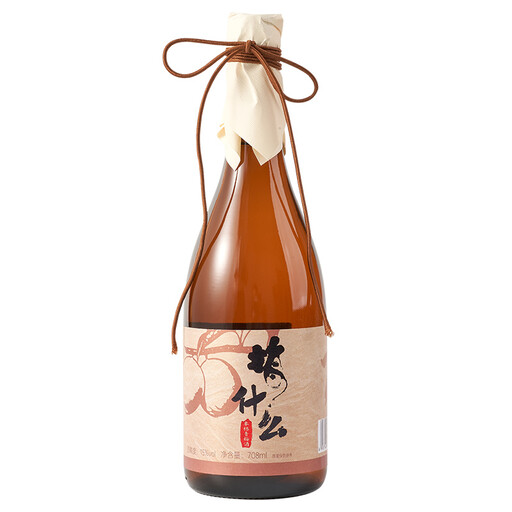
Why This Fits Their Persona: For connoisseurs looking to explore beyond Makgeolli and discover other Asian wine specialities. This Chinese plum liquor, based on rice wine, offers a different but equally fascinating taste experience.
The product description makes it clear that this is a plum liquor, which avoids any confusion with Makgeolli. According to the manufacturer, it is made without additives like artificial colours or flavours, catering to the desire for authentic ingredients.
Traditional production using whole fruits for a rich, natural aroma. The 15% ABV offers a more robust alternative to light Makgeolli.
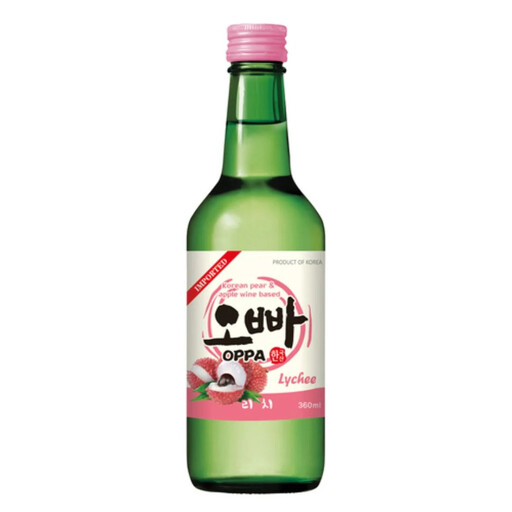
Why This Fits Their Persona: Perfect for fans of Korean culture who want to try the iconic Soju. The lychee variety is sweet and accessible, ideal for parties, K-drama nights, or as a base for cocktails.
This product is clearly identified as Soju, a distilled beverage. This prevents confusion with the fermented, milky Makgeolli. The description highlights its use for social occasions, thereby meeting the target audience's expectations.
A moderate alcohol content of 12% ABV makes it stronger than Makgeolli but smoother than many other spirits. The fruity flavour is very popular and versatile.
We've compiled a complete, up-to-date list of products that fully meet these strict selection criteria and German regulations.
Makgeolli is traditionally served chilled. Since the rice sediment settles at the bottom of the bottle, you should gently swirl the bottle before opening or stir the contents in a pitcher. In Korea, it is often drunk from small bowls (Ttukbaegi) rather than glasses.
The main difference lies in the production process and the final result.
The shelf life depends on whether it is pasteurised. Most products sold online in Germany are pasteurised and can be stored unopened for several months in a cool, dark place. After opening, the bottle should be kept in the refrigerator and consumed within a few days, as contact with oxygen will affect the flavour.