
Lieferung heute & morgen

Qualitätsgarantie

Willkommens-Angebote freischalten: KOSTENLOSE Lieferung | Bis zu 80 % RABATT | Kostenlose 30-Tage-JoyPlus-Testphase
App herunterladen
The growing popularity of Korean culture in Germany has also brought a special beverage into the spotlight: Makgeolli. This traditional Korean rice wine is finding a growing number of fans looking for an alternative to conventional wines or beers. However, if you want to buy Makgeolli, you may be faced with a selection that ranges from traditional and tart to fruity and sweet.
This article serves as a guide. We will introduce you to various types of Makgeolli and provide you with objective information to help you find the right product for your palate.
To make the right choice, it helps to understand a few basic characteristics of Makgeolli. The following points can make your decision easier.
Classic Korean rice wine has a unique flavour profile: it's milky and cloudy, slightly sweet, often with a subtle tart note and a gentle fizz. Those seeking this authentic experience should opt for an original variety.
In recent years, however, producers like Kooksoondang and Woorisool have also developed modern, flavoured versions. Varieties like Peach Makgeolli or Grape Makgeolli are noticeably sweeter and fruitier, making them particularly appealing to newcomers or those who enjoy sweet beverages.
Makgeolli is generally lower in alcohol compared to wine or spirits. The alcohol content typically ranges between 3% and 8% ABV.
Makgeolli is a fermented beverage that may contain live cultures. Pay attention to the storage instructions on the bottle. Generally, it should be stored in a cool place and refrigerated after opening. Before enjoying, the bottle should be gently inverted (not shaken) to distribute the sediment evenly. It is always served well-chilled.
Based on the criteria mentioned, we have compiled a selection of different Makgeolli varieties that cater to different taste preferences.
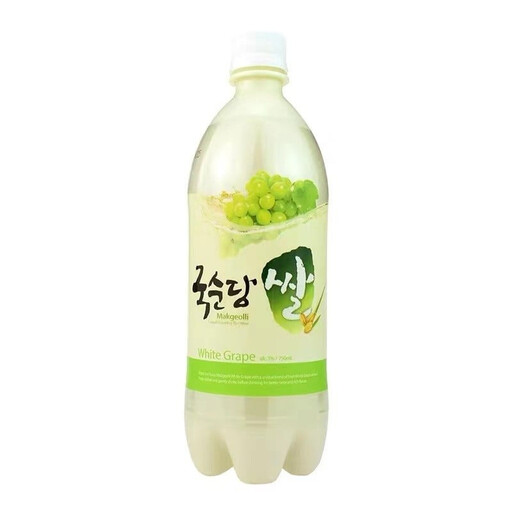
What makes this product stand out This Makgeolli from Kooksoondang is a modern take on the classic. It combines the creamy, slightly sparkling texture of traditional rice wine with the sweet and aromatic flavour of white grapes. The result is a very approachable and refreshing drink.
Product Details
Who is it for? Ideal for those trying Makgeolli for the first time or who generally prefer sweet, fruity, and low-alcohol drinks. It's a great choice for parties or as an aperitif.
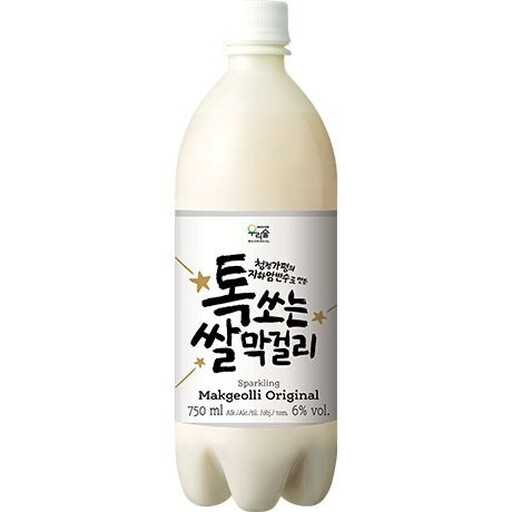
What makes this product stand out The Original Makgeolli from Woorisool offers an authentic taste experience. Made from high-quality rice and the traditional starter "Nuruk," it delivers the characteristic, slightly sweet, and refreshingly milky flavour that connoisseurs appreciate.
Product Details
Who is it for? For anyone who wants to experience the unadulterated taste of Korean rice wine. It is the perfect companion to a Korean meal and appeals to purists looking for a balanced, not-too-sweet drink.
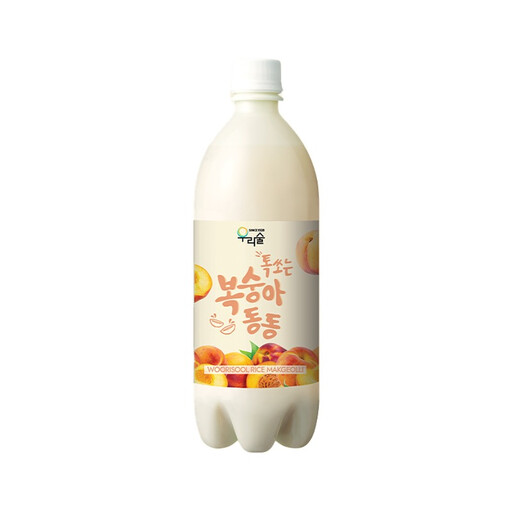
What makes this product stand out This version from Woorisool is a particularly light and fruity option. With only 3% ABV and the taste of juicy peach, this Peach Makgeolli is a lighthearted refreshment distinguished by its mild and gentle character.
Product Details
Who is it for? Perfect for those who enjoy a very light alcoholic beverage. Its sweetness and low alcohol content make it an excellent choice for warm days, picnics, or for people wanting a gentle introduction to the world of Korean beverages.
Makgeolli is just one of many fascinating beverages. If you'd like to discover other special alcoholic gifts or different Korean beverages, you'll find a wider selection for various occasions and tastes in our [Alcohol Gifts] category.
Makgeolli has a cloudy, milky consistency and is naturally lightly carbonated. The basic flavour is a mix of sweet and slightly tart, which comes from the fermentation of the rice. Fruit varieties like peach or grape are noticeably sweeter, with the fruit flavour being more prominent.
Makgeolli is always served well-chilled. Since rice sediment settles at the bottom of the bottle, it should be gently inverted a few times before opening to mix everything. Traditionally, it is drunk from small bowls (ttukbaegi), but any glass is suitable.
No, they are two different beverages. Makgeolli is an unfiltered, fermented Korean rice wine with a low alcohol content (typically 3–8% ABV). Soju, on the other hand, is a clear, distilled spirit made from rice, barley, or sweet potatoes, and has a significantly higher alcohol content (usually 16–25% ABV).