
Lieferung heute & morgen

Qualitätsgarantie

Willkommens-Angebote freischalten: KOSTENLOSE Lieferung | Bis zu 80 % RABATT | Kostenlose 30-Tage-JoyPlus-Testphase
App herunterladen
If you're looking to buy Makgeolli, you're likely already familiar with the charm of Korean culture or simply curious about this unique beverage. However, its growing popularity has led to an overwhelming selection. Not every Korean rice wine offered online lives up to its promise. Before you fill your shopping cart, it's helpful to know some common pitfalls that can lead to a disappointing experience.
A frequent issue is the mismatch between expectation and reality, especially regarding taste. Many products use artificial sweeteners that leave an undesirable aftertaste and mask the authentic, slightly tart flavour. Another point is the alcohol content: a light, fruity Makgeolli with 3% alcohol is perfect for a relaxed afternoon, while a traditional 6% version pairs better with a hearty Korean meal. Choosing the wrong type can significantly diminish the enjoyment.
To ensure you find the right product for your taste and occasion, you should check a few basic parameters. These criteria will help you objectively evaluate the options and make an informed decision when you order rice wine online.
The first decision you need to make concerns the basic flavour profile.
The ingredients list reveals the quality and character of the Makgeolli. Pay attention to the type of sweetening. Some producers, like Kooksoondang, rely on a combination of rice and the fermentation starter Nuruk, which results in a natural sweetness. Others, such as some products from Woorisool Makgeolli, use additional sweeteners like aspartame (E951) or acesulfame-K (E950) to achieve a consistently sweet profile. This isn't a flaw, but it's an important detail for purists who prefer the most natural flavour possible.
The alcohol content of Makgeolli typically ranges between 3% and 6% ABV.
Here are some recommendations tailored to different preferences and occasions.
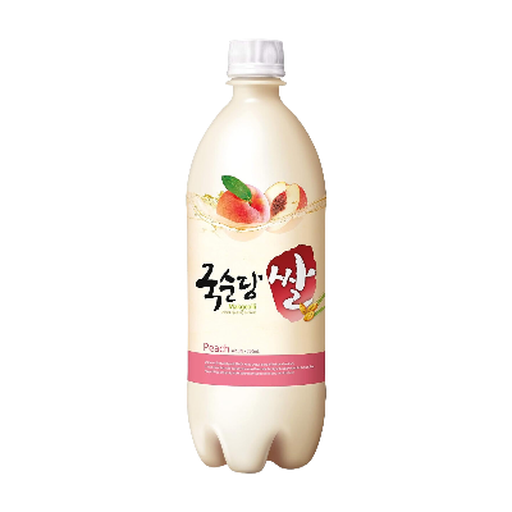
Why It's a Great Match: Ideal for anyone trying Makgeolli for the first time or who prefers a sweet, straightforward option. The peach flavour is present but not overpowering and harmonises with the creamy texture.
This product is clearly declared as a flavoured variety with a low alcohol content (3%). You know exactly what to expect, thus avoiding the disappointment of accidentally buying a traditional, tart rice wine.
The low 3% alcohol content makes it a light beverage. The combination of rice and peach extract provides an approachable, fruity taste experience.
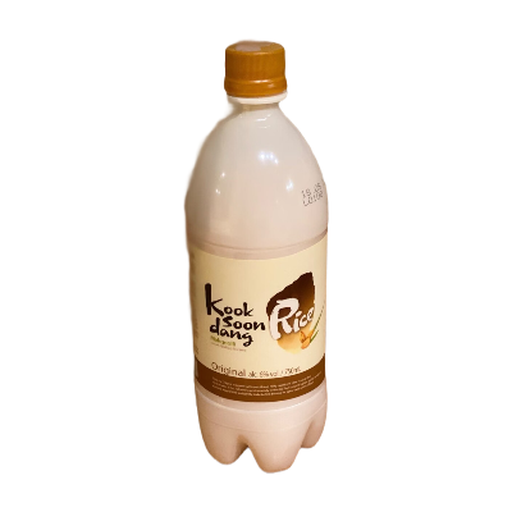
Why It's a Great Match: For anyone who wants to experience the classic Makgeolli served in K-dramas and Korean restaurants. It offers the typical milky, creamy, and slightly effervescent profile.
This product focuses on the traditional flavour derived from the fermentation of rice and wheat (in the Nuruk). It avoids the pitfall of an overly artificial taste from added flavourings.
With 6% alcohol content, this Makgeolli has a fuller body that pairs well with hearty dishes. According to the manufacturer, the sweetness comes from natural fermentation.
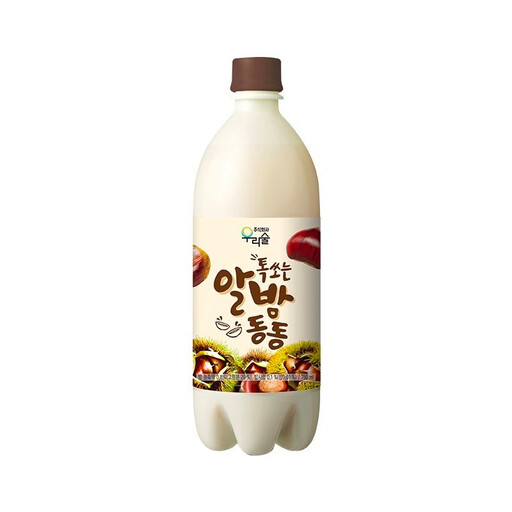
Why It's a Great Match: For connoisseurs already familiar with traditional and fruity Makgeolli who are looking for a new, interesting flavour profile. The nutty chestnut aroma offers an autumnal and warming alternative.
This is a deliberate choice for a niche product. It avoids the pitfall of mismatched expectations, as buyers are specifically looking for an unusual variety rather than stumbling upon it by accident.
The 6% alcohol content provides a full flavour that carries the nutty aroma of the chestnut. The ingredients list explicitly mentions chestnut flavour and extract.
We've compiled a complete, up-to-date list of products that meet these strict selection criteria.
Makgeolli is a traditional Korean rice wine. It is made by fermenting cooked rice and water with a starter called Nuruk. Unlike many other rice wines, it is typically unfiltered, which gives it a milky, cloudy colour and a creamy texture. Its taste is slightly sweet, tart, and often lightly carbonated.
Makgeolli should always be served well-chilled. Since a natural sediment of rice particles settles at the bottom of the bottle, it's important to gently swirl the bottle or slowly turn it upside down a few times before opening. Avoid vigorous shaking, as the beverage contains carbonation and can fizz over. Traditionally, Makgeolli is drunk from small, shallow bowls.
Since Makgeolli is a "living," fermented product, the fermentation process continues even after opening. An opened bottle of Makgeolli should therefore be stored in the refrigerator and ideally consumed within 2-3 days. Over time, the flavour will tend to become more sour.