
Lieferung heute & morgen

Qualitätsgarantie

Willkommens-Angebote freischalten: KOSTENLOSE Lieferung | Bis zu 80 % RABATT | Kostenlose 30-Tage-JoyPlus-Testphase
App herunterladen
If you’re looking to buy mandarin products online, you’ll find plenty of choice, including dried and candied mandarins, mandarin tea, mandarin juice and drinks, as well as Chinese mandarin products. There are also mandarin skincare products and products containing green mandarin. However, a product’s name alone tells you little about its ingredients, sugar content, pack size or how to use it.
A product might contain whole fruit, peel, flavouring, juice concentrate or just an extract. For snacks, the ingredients list is therefore essential. According to the product information, the 7FRESH product contains at least 78% mandarin. Other candied products may also contain sugar, acidity regulators or preservatives.
It’s worth checking drinks carefully, too. Mandarin flavour may come from juice, fruit pieces, natural flavourings or sweeteners. Descriptions such as “fruity” are no substitute for specific quantity information.
A multipack of drinks or a large snack pack may seem like good value at first. What matters, however, is the price per 100 g, litre or serving. Many foods need to be stored in a dry, well-sealed container once opened. Tinned mandarins should be refrigerated after opening and used promptly.
For occasional use, individual portions may be more practical. For example, JiLiangMu tea comes in 10 individually wrapped portions, with a total weight of 120 g.
Dried mandarin peel, dried mandarins and candied fruit differ considerably in how they are made and what they contain. For peel products, check the origin, ingredients and processing information. For example, the MUSHAN product lists sulphites as an allergen. If you want to avoid certain ingredients, check the packaging of the item you receive, as recipes can change.
Mandarin skincare calls for different checks. The full INCI list, intended use and advice for sensitive skin matter more than general marketing claims.
First, compare the percentage of fruit and the order of ingredients. If sugar is near the top of the list, the product is often a sweet snack or confectionery. Added sugar can significantly affect the flavour and nutritional values of dried mandarins, too.
Also look out for:
“Free from artificial colourings” doesn’t automatically mean low in sugar or free from additives. The specific ingredients list is what counts.
Mandarin tea, dried mandarin peel and candied mandarins are used in different ways. Tea products may be suitable for brewing hot or cold. JiLiangMu Green Tangerine Passion Fruit Tea, for example, has a recommended brewing time of 3 to 5 minutes at 85 to 100 °C. According to the product description, it can be brewed more than once.
According to the product information, dried mandarin peel can be used for tea, soups, stews or as a seasoning. Candied mandarins, on the other hand, are better suited to snacking, baking or decorating desserts. So check whether a product is ready to eat or needs to be prepared first.
Clear storage instructions are particularly useful for UK households. Dry products should usually be kept in a cool, dry place away from direct sunlight. Once opened, they should ideally be sealed airtight. Tinned fruit needs to be refrigerated after opening.
For cosmetics, also check the shelf life, batch information and directions for use. Products containing essential oils or fragrance may be a consideration for anyone sensitive to fragrance. Stop using the product if irritation occurs.
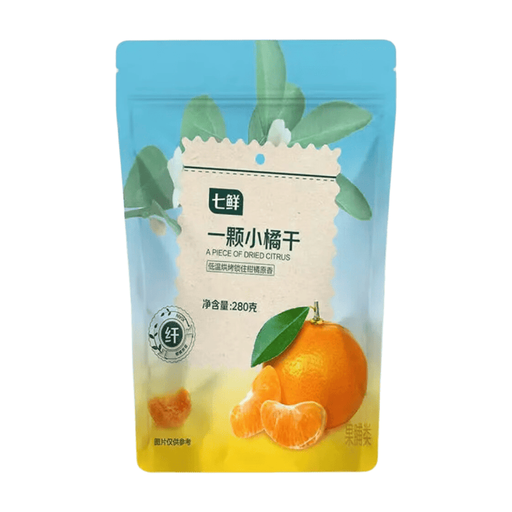
Why this product suits this profile: The 280 g pack is ready to eat and works well for snack breaks or alongside a cup of tea at home. The stated mandarin content is at least 78%.
The fruit content, ingredients and nutritional values are clearly stated, making it easier to compare with other dried mandarin products.
Ready to eat, with a 280 g pack size and a soft, chewy texture according to the product information.
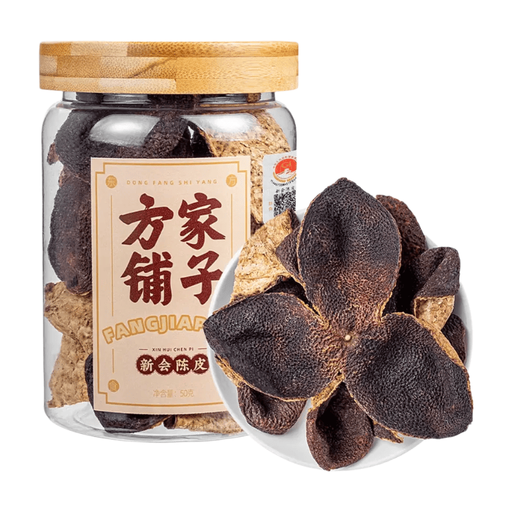
Why this product suits this profile: The dried mandarin peel is intended for tea and can also be used in soups, stews or as a seasoning.
Rather than a sweet snack with hidden sugar, this is described as dried mandarin peel with a single ingredient.
50 g pack, described as sun-dried and processed without sulphur.
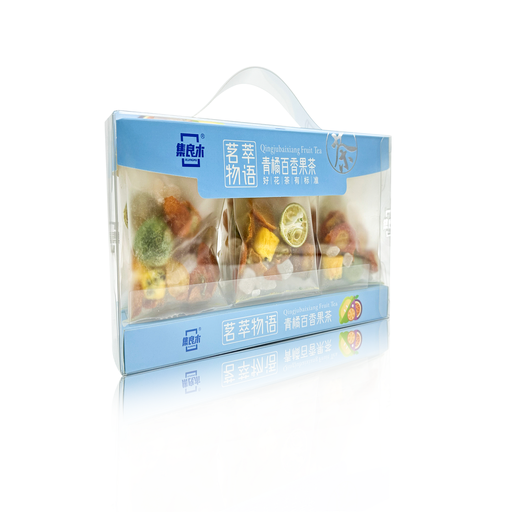
Why this product suits this profile: The individually wrapped portions are designed for regular brewing at home, at work or on the go.
The instructions give the water temperature and brewing time, making it clear that this is a tea for brewing rather than a ready-to-drink beverage.
10 individual portions, suitable for hot or cold preparation and, according to the product information, multiple infusions.
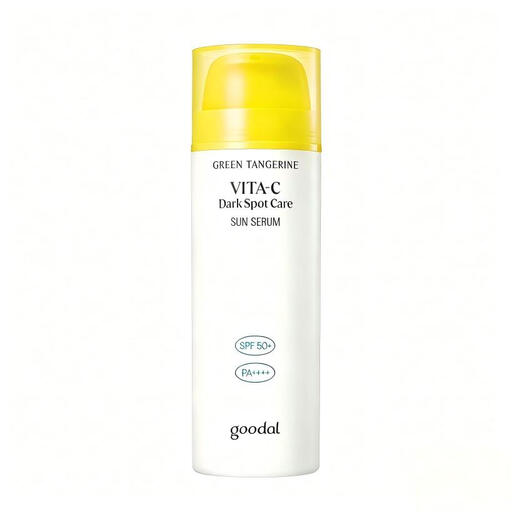
Why this product suits this profile: The formula combines green mandarin extract with UV filters and is intended for daily topical use.
The INCI list includes UV filters, niacinamide, green mandarin extract and fragrance ingredients, so shoppers can check the formula in detail.
50 ml, with SPF50+ and PA++++ according to the product information; for external use only.
We’ve put together a complete, regularly updated list of products that meet these strict selection criteria and fully comply with the safety regulations in force in the EU.
Ready-to-eat dried mandarins, candied mandarins, mandarin fruit pieces or fruit gums need no preparation. Before buying, though, check the sugar content, additives, serving size and potential allergens such as sulphites.
Store dried mandarin peel in a cool, dry place away from direct sunlight. Once opened, it’s best kept in a tightly sealed container. Always follow the storage instructions on the relevant packaging.
Check the ingredients, number of portions, recommended water temperature and brewing time. For blends containing rock sugar or fruit pieces, it’s also worth checking the nutritional information. This makes it easier to decide whether the tea suits your everyday drinking habits.