
Lieferung heute & morgen

Qualitätsgarantie

Willkommens-Angebote freischalten: KOSTENLOSE Lieferung | Bis zu 80 % RABATT | Kostenlose 30-Tage-JoyPlus-Testphase
App herunterladen
Deciding to buy matcha introduces you to a wide array of products, each differing in origin, processing, and intended use. Choosing the right product depends heavily on its intended application—whether for preparing matcha tea, as an ingredient in a matcha latte, or for baking. This guide analyses the objective criteria relevant for an informed purchasing decision and presents a selection of products for various use cases.
The quality and suitability of matcha products can be evaluated based on technical specifications and declared properties. The following parameters are crucial for your selection:
Matcha is typically classified into two main categories, which affect the manufacturing process and flavour:
The fineness of the powder is an indicator of the processing method. Traditionally, matcha is slowly ground into an ultra-fine powder using stone mills. A fine powder dissolves better in liquids and creates a smoother texture without clumps. The product description often provides information about the grinding method (e.g., stone-ground).
For instant mixes for matcha lattes or matcha snacks, a close examination of the ingredients list is necessary. Pay attention to the percentage of matcha powder, as well as the sugar content and the type of added milk powders or sweeteners. Products like Japanese sweets often combine matcha with traditional ingredients such as adzuki bean paste.
Matcha is sensitive to light, heat, and oxygen, which can lead to a rapid loss of colour and aroma. Opaque, airtight packaging is therefore a mark of quality. The manufacturer's storage instructions—usually a cool, dry environment or even the refrigerator—should be followed to maintain product quality.
Based on the criteria above, we have curated a selection of matcha products to suit different needs.
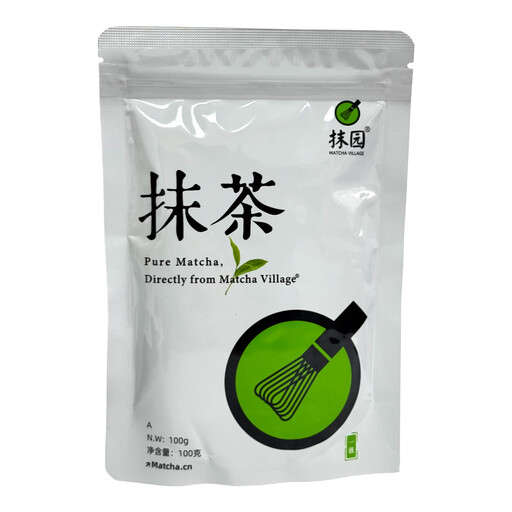
Why we recommend this product This matcha powder is designed as a pure ingredient, offering maximum flexibility. According to the manufacturer, it is traditionally stone-ground, resulting in a fine texture. Its composition of 100% green tea powder with no additives makes it a solid foundation for your own creations.
Pros:
Who it's for:
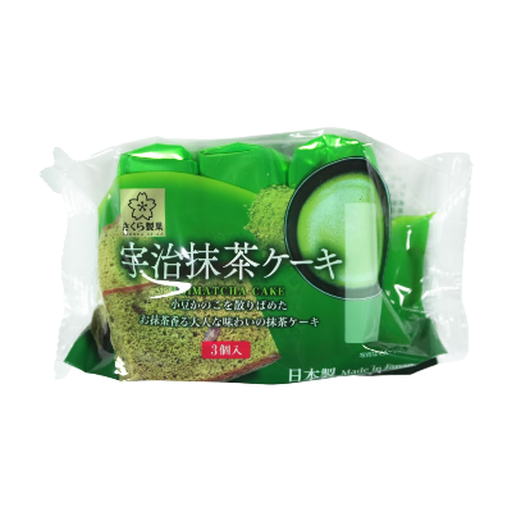
Why we recommend this product This ready-to-eat cake is a classic example of a matcha snack. It combines the texture of a Castella cake with the flavour of Uji matcha, a renowned growing region in Japan. The product offers a convenient way to experience the taste of matcha in the form of a Japanese sweet.
Pros:
Who it's for:
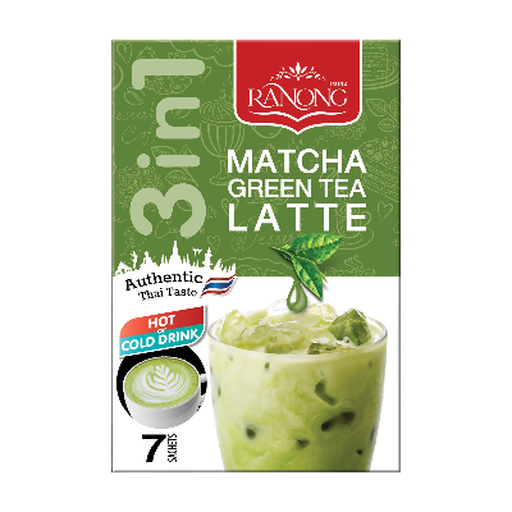
Why we recommend this product This instant mix is a practical solution for quickly preparing a matcha latte. It already contains matcha powder, whole milk powder, and sugar. According to the manufacturer, it uses milk powder from New Zealand. The product is aimed at consumers who value convenience and a consistent flavour balance.
Pros:
Who it's for:
The selection presented covers various applications. If you are looking for more options, specific matcha varieties, or other foods containing matcha, our main category offers a broader overview.
Explore our full range of matcha food products here.
1. What is the difference between matcha and regular green tea powder? Matcha is a specific form of green tea powder made from shade-grown tea plants (usually the Tencha variety) and traditionally ground in stone mills. This process results in a higher content of chlorophyll and amino acids, which explains its vibrant green colour and characteristic umami flavour. Regular green tea powder (often called Sencha powder) is made from unshaded tea leaves, is usually less finely ground, and has a more astringent flavour profile.
2. How do you store matcha powder correctly? Once opened, matcha should be stored in an airtight, opaque container. To best preserve its freshness, colour, and aroma, storage in the refrigerator at temperatures between 0–10 °C is recommended. Moisture is just as damaging as light and heat, so the container should always be tightly sealed.