
Lieferung heute & morgen

Qualitätsgarantie

Willkommens-Angebote freischalten: KOSTENLOSE Lieferung | Bis zu 80 % RABATT | Kostenlose 30-Tage-JoyPlus-Testphase
App herunterladen
The search for the right matcha can quickly become complex. The vibrant green powder is surging in popularity across Europe, but as demand grows, so does the number of products with unclear quality and purpose. Many consumers invest in what they believe is a premium product, only to be disappointed by a bitter taste or a dull colour.
This guide serves as your compass. We'll highlight the most common pitfalls when buying matcha and explain the objective criteria you should look for to find a product that meets your expectations—whether for your daily cup of tea, a creamy Matcha Latte, or culinary experiments.
Before choosing a product, it's helpful to know the typical marketing traps that often lead to disappointment.
To avoid a bad buy, you should check three key product characteristics before making a decision. These provide reliable indicators of the powder's quality and suitability.
The most important distinction is between ceremonial grade and culinary grade.
The origin, particularly from renowned Japanese growing regions like Uji (Kyoto), Nishio (Aichi), or Fukuoka, is often an indicator of high-quality matcha powder.
The sensory characteristics are a direct clue to the quality. You can identify high-quality matcha powder by its vibrant emerald green colour. A dull, yellowish, or brownish hue indicates a later harvest, improper processing, or poor storage.
The texture should be extremely fine and silky, similar to icing sugar. A fine powder dissolves without clumps in water and creates the characteristic creamy foam.
For pure matcha products, the ingredient list should contain only one item: "Green Tea Powder" or "Matcha." For blended products, a closer look is crucial.
To make your choice easier, we have matched different products to specific user profiles.
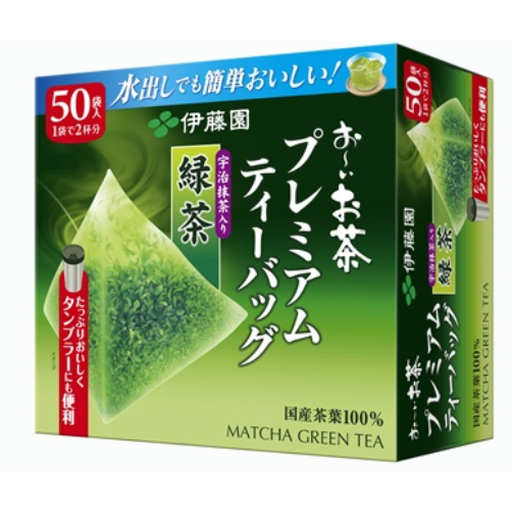
Why This Fits Their Persona: Ideal for anyone who wants to effortlessly integrate the taste of matcha into their daily routine. No special matcha accessories are needed; preparation is as simple as making regular tea.
The product is transparently declared as a green tea blend with 5% matcha. It doesn't create the false impression of being pure matcha, thus avoiding the misleading label trap.
Maximum convenience with tea bags; consistent quality from the well-known brand Itoen Matcha; mild, approachable flavour.
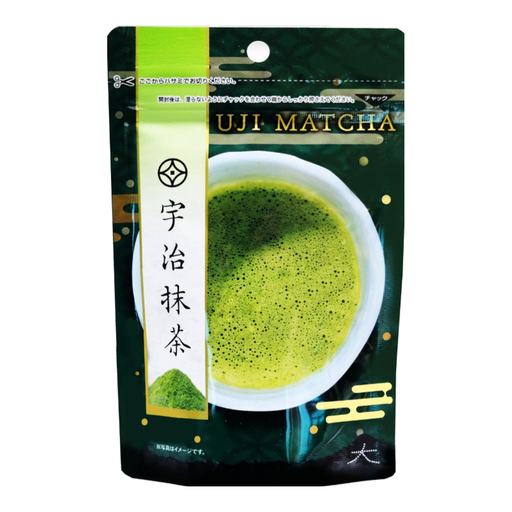
Why This Fits Their Persona: For connoisseurs seeking an authentic tea experience. This product is suitable for traditional preparation (Usucha) and delivers the complex, umami-rich flavour profile prized in high-quality matcha.
Its origin from Uji, Japan's most prestigious tea region, and the "100% Green Tea" declaration provide maximum transparency. It avoids vague "ceremonial" terms, relying instead on provenance as its mark of quality.
Pure matcha powder with no additives; sourced from a heritage producer (Hishiwaen, since 1862); balanced flavour with umami and natural sweetness.

Why This Fits Their Persona: Perfect for users seeking a versatile powder for lattes, smoothies, or cooking, without compromising on intense flavour. The instant formula is ideal for a fast-paced lifestyle.
This product is sugar-free, sidestepping the trap of over-sugared instant mixes. It is clearly positioned as a blend of green tea and matcha for a robust flavour, not as a pure ceremonial tea.
0g sugar and 0g salt according to the manufacturer; highly versatile for hot and cold drinks as well as cooking; intense, full-bodied flavour.
We've compiled a complete, up-to-date list of products that fully meet these strict selection criteria and all relevant regulations.
1. Do I need a special matcha set for preparation?
For the traditional preparation of pure matcha tea, a matcha set consisting of a bamboo whisk (Chasen) and a bowl (Chawan) is recommended. The whisk ensures a clump-free consistency and the characteristic fine foam. For a Matcha Latte or for use in smoothies, a simple milk frother is often sufficient. No special accessories are required for tea bags or instant powders.
2. How can I tell the difference between ceremonial and culinary matcha?
Ceremonial grade matcha is distinguished by its vibrant green colour, very fine texture, and a sweet, umami flavour. It is made from the youngest tea leaves. Culinary matcha is typically a bit more astringent in taste and has a less intense colour. It is designed to retain its flavour when combined with other ingredients like milk, sugar, or flour.
3. How do I store matcha powder correctly?
Matcha powder is sensitive to light, air, and heat. Once opened, it should be stored in an airtight, opaque container in the refrigerator. This best preserves its freshness, colour, and aroma. Unopened packages can be stored in a cool, dark place.