
Lieferung heute & morgen

Qualitätsgarantie

Willkommens-Angebote freischalten: KOSTENLOSE Lieferung | Bis zu 80 % RABATT | Kostenlose 30-Tage-JoyPlus-Testphase
App herunterladen
If you’re looking to buy a mattress, you’ll find plenty of options, including pocket-sprung mattresses, memory foam mattresses, hybrid models and latex designs. Terms such as “ergonomic”, “orthopaedic” and “pressure-relieving” may sound reassuring, but on their own they tell you little about whether a mattress is right for your bed.
What matters is clear information about construction, firmness, dimensions, cover and care. The tips below can help adults, couples, families and allergy sufferers see past the marketing claims and choose a mattress that suits a bedroom, children’s room, guest room or hotel.
An H3 mattress is often described as medium-firm. However, how it feels also depends on your height, body shape, sleeping position, bed base and personal preference. For example, an H2/H3 mattress may offer an in-between feel, while an H3 mattress is generally designed to feel firmer.
Firmness is a useful guide, but it isn’t a universal recommendation. Side sleepers in particular should make sure their shoulders and hips can sink in enough to keep the spine straight.
A 7-zone mattress is divided into different areas for lying down. These zones typically take account of the shoulders, waist, hips and legs, among other areas. However, the label alone doesn’t guarantee the right pressure distribution. Check the following as well:
A 5-zone mattress may also suit some people. What matters is how the zoning, foam layer and bed base work together.
A breathable cover is helpful, but the mattress core also affects moisture exchange. Pocket-sprung cores allow air to circulate between the springs by design. Memory foam, on the other hand, can respond more to body heat. Gel or open-cell foam layers are often used to help regulate temperature, but look for specific details about the materials.
For allergy sufferers, removable, washable covers and clear certifications such as OEKO-TEX or CertiPUR are useful things to check. A mattress is no substitute for regular cleaning or a suitable mattress protector.
The mattress needs to fit your bed exactly. Common sizes include:
You should also consider the mattress’s height and weight. A mattress that is 24 or 25 cm thick can make getting in and out of bed easier, but you’ll need a fitted sheet that fits and enough room in the bed frame.
A pocket-sprung mattress has springs individually enclosed in fabric pockets, allowing them to respond independently. This may appeal to couples who want to minimise disturbing each other’s sleep. A hybrid mattress usually combines a spring core with foam or memory foam layers.
A memory foam mattress moulds more closely to your body and may feel pressure-relieving. At the same time, it can feel warmer and respond differently depending on the room temperature. So compare the layers, density, height and care instructions rather than relying on the material name alone.
Look for clear information about:
“Orthopaedic mattress” is often part of a product name or marketing description. It isn’t a medical assessment, and it doesn’t replace medical advice if you have health concerns. An ergonomic mattress also needs to suit your individual sleeping position and body shape.
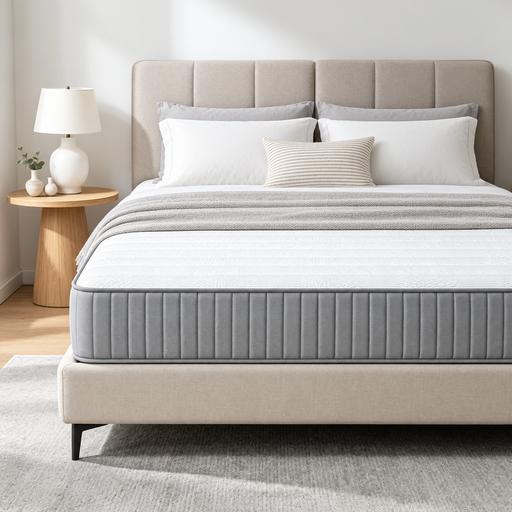
Why this product suits this profile: This single mattress combines a 5-zone pocket-sprung core with a medium-soft surface, making it a good fit for a bedroom or guest room where space is limited.
The details include the size, height, H2/H3 firmness, number of zones and reinforced edges, making it easier to compare this model with other mattresses.
5-zone pocket-sprung core, reinforced edges and a breathable knitted cover.
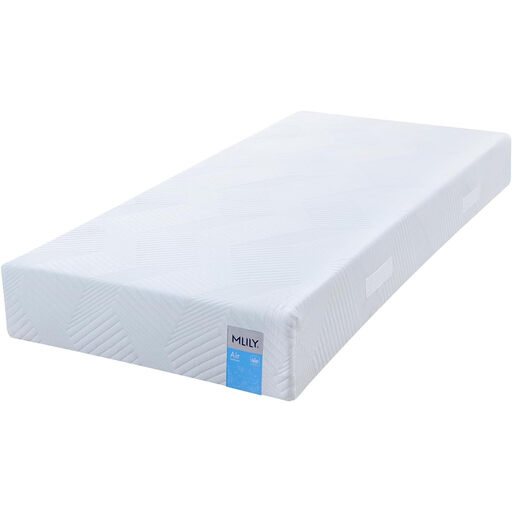
Why this product suits this profile: This 160 x 200 cm model combines three layers of comfort foam, AirCell visco memory foam and Cool-Flex gel foam in a 7-zone design.
The product clearly lists its material layers and dimensions, describes the firmness as “medium to firm”, and states its OEKO-TEX and CertiPUR certifications.
7 ergonomic zones, gel foam and a cover made with recycled Seaqual yarn, according to the product details.
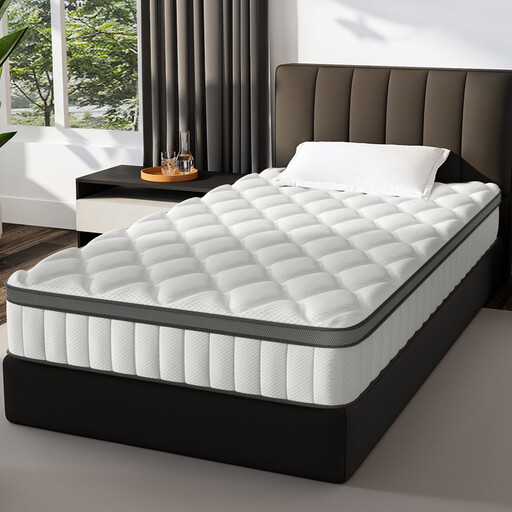
Why this product suits this profile: This 25 cm-high model has an H3 firmness rating and is designed for single beds. It may suit adults or older children, as long as its firm feel is right for them.
The construction details list 9 layers, pocket springs and viscoelastic foam, along with guidance on how long the mattress needs to expand. This makes it easier to check the details before ordering.
7-zone construction, 25 cm height, H3 firmness and individually wrapped springs, according to the product description.
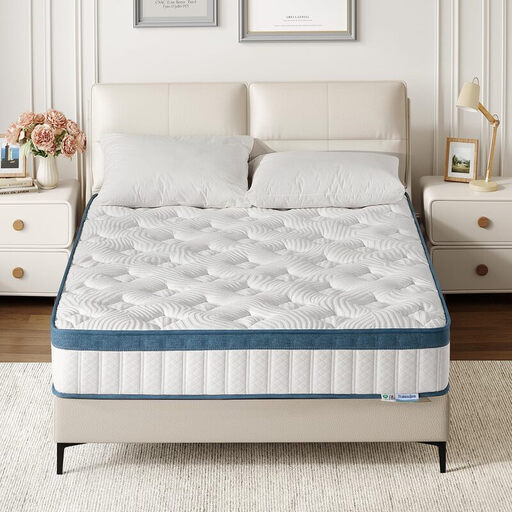
Why this product suits this profile: This hybrid model combines 7-zone pocket springs, memory foam and a Tencel cover. Its design provides a spacious sleeping area for two.
Alongside the marketing term “hybrid”, the product details specify the core, cover, 25 cm height, H3 firmness and dimensions.
Tencel cover with micro-perforations, 7-zone spring core and gel memory foam, according to the product details.
We’ve put together a complete, regularly updated list of products that meet these strict selection criteria and fully comply with the safety regulations in force in the EU.
Unpack compressed mattresses on a suitable, stable base. Depending on the model, they may need anything from a few hours to 48 or 72 hours to expand fully. Always follow the instructions from the manufacturer. Before using the mattress for the first time, check that it has reached its stated height.
For a longer mattress life, we recommend:
A mattress’s lifespan depends on its materials, how it’s used, body weight, bed base and care. Following advice such as turning it regularly or using a mattress protector can help it wear evenly. If it develops lasting dips, the cover is damaged or it starts to lose its support, check the mattress regardless of when you bought it.
Side sleepers often look for a surface that gives their shoulders and hips enough room to sink in. A 7-zone mattress or a memory foam mattress may be worth considering, provided the firmness, body shape and bed base are a good match. There’s no one-size-fits-all recommendation for side sleepers.
Unlike electrically powered sleep systems, a mattress doesn’t use electricity. However, you may need to spend money on a mattress protector, new sheets, care products or a replacement if it becomes badly worn. So when choosing a mattress, consider more than just the purchase price: factor in the care it needs, delivery terms and warranty details too.