
当日/次日达

品质保障

开启新人专享福利: 全场免邮 | 低至 2 折 | 免费试用 30 天 JoyPlus 会员
下载 Joybuy
The selection of mineral water available is vast, and deciding which one to order online can quickly become overwhelming. With so many different brands, types, and mineral profiles, finding the right product for your home or office isn't always easy. This guide will help you understand the key criteria and avoid common pitfalls when purchasing mineral water.
Before you order a case of water online, you should be aware of several common misconceptions that can lead to an unsuitable choice.
To buy the right mineral water, you should check two or three central characteristics. This information is usually found on the label or in the product description.
Natural mineral water, as the name suggests, contains minerals it absorbs on its journey through various rock layers. The most important ones are:
Personal preference is key here, but the type of carbonation also has functional aspects.
Specialised waters exist for specific needs. Baby water is natural mineral water that meets the strict criteria for preparing infant formula and is explicitly labelled as such. Distilled water, on the other hand, is not intended for human consumption. It is demineralised and used for technical purposes, such as in irons or car batteries, to prevent limescale deposits.
To make your decision easier, we have matched some products from our range to different user profiles.
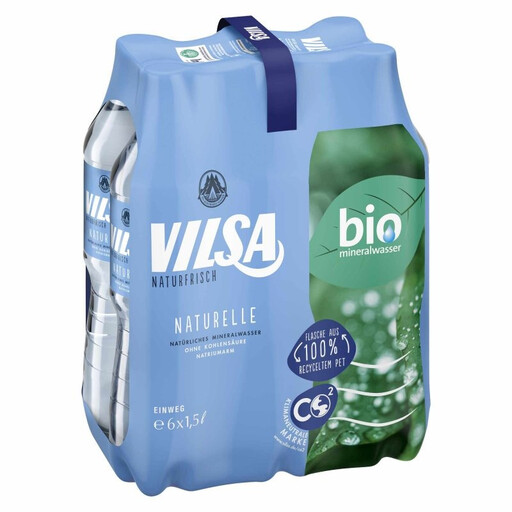
Why It's a Great Fit: With its very soft and mild taste, this still water is ideal for the whole family. It is low in sodium and is also recommended by the manufacturer for the preparation of baby food, making it a safe choice for households with young children.
The product clearly declares its low sodium content (16.4 mg/l) and its suitability for a low-sodium diet, rather than relying solely on general marketing claims.
Lightly mineralised, giving it a particularly mild taste. According to the manufacturer, its purity is regularly confirmed by independent institutes.
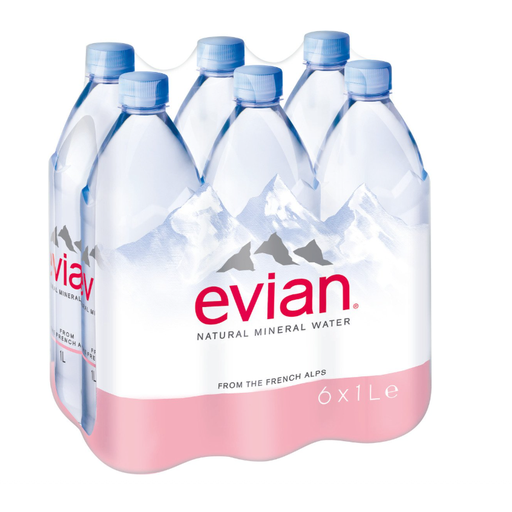
Why It's a Great Fit: For anyone seeking a still water with a balanced, pure taste profile. Sourced from the French Alps, this water is known for its consistent mineralisation and neutral pH of 7.2.
Instead of just advertising its origin, Evian provides a detailed mineral analysis (e.g., Calcium: 80 mg/l, Magnesium: 26 mg/l), allowing for an objective assessment of its composition.
The balanced mineralisation and low sodium content (6.5 mg/l) result in a very clean and refreshing taste experience.
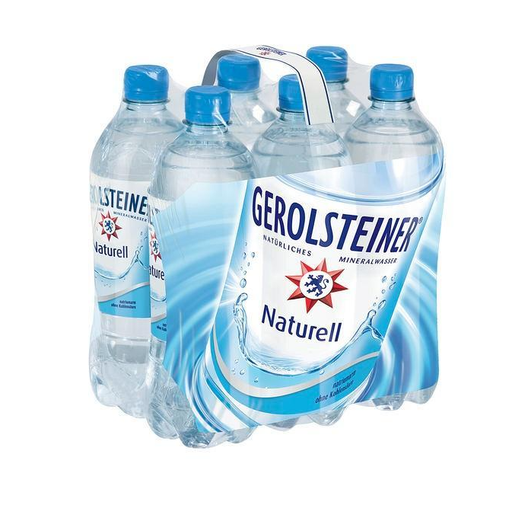
Why It's a Great Fit: Gerolsteiner is naturally rich in minerals. This still version delivers valuable calcium and magnesium without the heaviness of carbonation—ideal for hydration during sports or on an active day.
It goes beyond the promise of "refreshment" and backs it up with concrete data. The high mineral content is clearly declared, offering a tangible benefit for active individuals.
Sourced from the Volcanic Eifel region, it is naturally rich in minerals. The high bicarbonate content ensures a pleasantly neutral taste.
We've compiled a complete, up-to-date list of products that fully meet these strict selection criteria and UK/EU regulations.
In the EU, a mineral water can be labelled "low-sodium" if it contains less than 20 milligrams of sodium per litre. This information is important for people who need to watch their salt intake, as well as for the preparation of baby formula.
If a mineral water carries the label "Suitable for the preparation of infant formula," it meets strict legal requirements and generally does not need to be boiled for this purpose. However, it is always wise to follow the instructions on the packaging. Opened bottles should be refrigerated and consumed quickly.
After opening, a bottle of mineral water should be stored in a cool, dark place and ideally consumed within two to three days. This ensures the taste remains fresh and prevents germs from entering the water.