
Lieferung heute & morgen

Qualitätsgarantie

Willkommens-Angebote freischalten: KOSTENLOSE Lieferung | Bis zu 80 % RABATT | Kostenlose 30-Tage-JoyPlus-Testphase
App herunterladen
If you’re looking to buy mochi, you’ll find a wide range of Japanese-style mochi, Taiwanese rice cakes and other Asian sweets online. However, products can vary considerably in their fillings, allergens, portion sizes and storage requirements. Eye-catching packaging won’t tell you whether a particular mochi is right for your tea break, the office or sharing.
“Japanese mochi” doesn’t necessarily mean the product was made in Japan. Many products are Japanese-style but are made in China or Taiwan. If the country of manufacture matters to you, check the details on the product page or packaging. The selection includes, for example, mochi from China, Taiwan and Japan, as well as Korean rice cakes.
Filled mochi may contain red bean paste, milk, soya, peanuts, sesame or fruit preparations. Even fruit mochi doesn’t always contain a high proportion of real fruit; some products use fruit powders, flavourings or fruit pastes. That’s why the ingredients list and allergen information matter more than promotional flavour descriptions.
Mochi rice cakes are soft and chewy. This texture is characteristic, but they need to be chewed thoroughly. Take particular care when serving them to young children or people with swallowing difficulties. Traditional kirimochi is not a ready-to-eat snack either: it must be cooked or toasted before eating.
The outer layer is often made from glutinous rice, glutinous rice flour or a combination of starch and rice flour. “Glutinous rice” describes its sticky texture and doesn’t automatically mean it contains gluten. Even so, product labelling may warn that traces of gluten, wheat or other allergens are present.
Pay particular attention to:
If you have an intolerance, always use the current information on the packaging as the basis for your decision.
Red bean paste, matcha mochi and sesame varieties are great choices for a traditional tea break. If you prefer a more familiar flavour, try fruit mochi with mango, raspberry or mixed fruit fillings. Chocolate, tiramisu and cookies-and-cream mochi lean more towards Western dessert flavours.
Individually wrapped pieces are handy for the office or when you’re out and about. For a larger group, a pack with several flavours or a higher net weight may be a better choice.
Most filled mochi are ready to eat and should be stored in a cool, dry place away from direct sunlight. Once opened, eat them soon and reseal the pack. Some varieties benefit from being chilled briefly, according to the product information, while others may become firmer in the cold.
Sato Kirimochi is different: according to the product description, these rice cakes are made from glutinous rice and water. They need to be heated before eating and should be chewed thoroughly. Korean rice cakes such as Tteokbokki Rice Cakes also need to be prepared; for example, they can be cooked in sauce or soup for a few minutes.
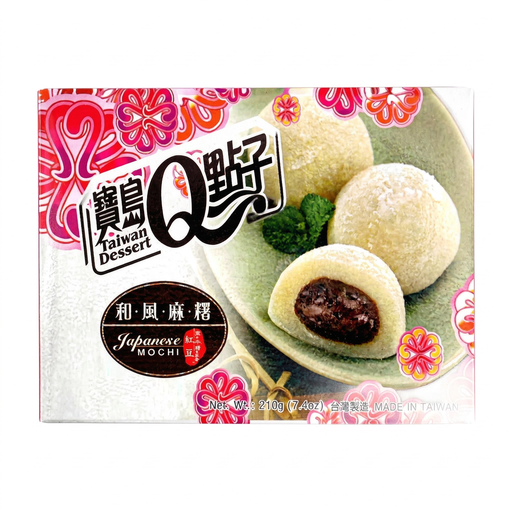
Why this product suits this profile: The pack contains 210 g and combines a soft glutinous rice outer layer with sweet red bean paste. It’s a good way to try a classic flavour, and there’s enough to share.
The product information lists the ingredients, allergen warning, net quantity and storage instructions. This makes it easier to check before buying whether the classic filling suits your needs.
210 g pack, ready to eat, with a straightforward ingredients list according to the product information.
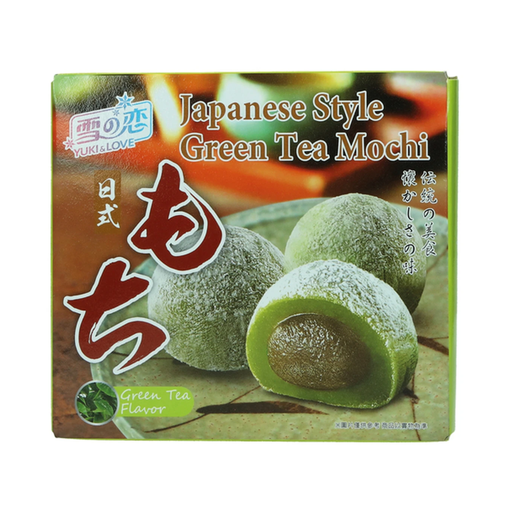
Why this product suits this profile: The filling is listed as green tea paste with 12% green tea powder, alongside rice flour. It’s a good choice for shoppers who want to compare ingredients and flavours carefully.
The detailed ingredients and allergen information makes it clear that the product contains soya. If you want to avoid milk or nuts, you can check the labelling before buying.
140 g pack, green tea paste clearly listed as an ingredient, and ready to eat.
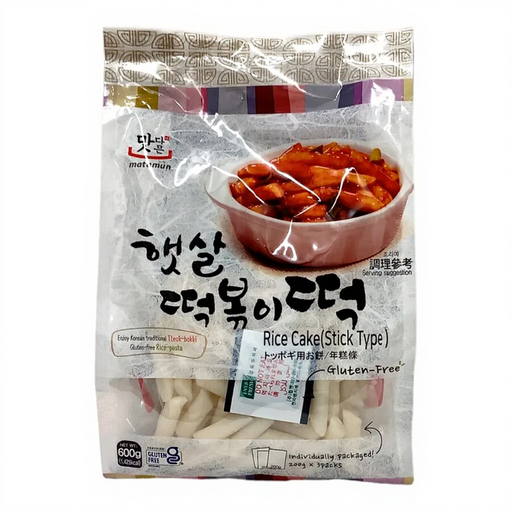
Why this product suits this profile: The 600 g pack is designed for preparing several portions. According to the instructions, the rice cakes should be cooked in sauce or soup for 3 to 5 minutes.
The preparation method is clearly stated, so you won’t accidentally plan to eat this product as a ready-to-eat sweet snack.
600 g net weight, made from 99% rice according to the product information, and versatile with sauces or soups.
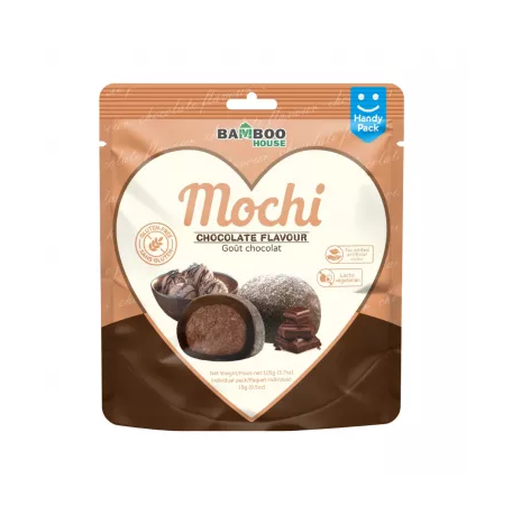
Why this product suits this profile: According to the ingredients, the filling contains cocoa, milk and soya. The individually wrapped pieces are handy for dessert, a tea break or sharing at the office.
The product information lists the relevant allergens and storage instructions. This helps you distinguish it from milk- or soya-free alternatives.
105 g pack, individually wrapped mochi, with cocoa, milk and soya ingredients clearly listed.
We’ve put together a complete, regularly updated list of products that meet these strict selection criteria and fully comply with the safety regulations in force in the EU.
Alongside the products above, fruit lovers could try Q-Brand Assorted Fruit Mini Mochi 120g, with strawberry, orange and melon notes. For a creamy combination of fruit and filling, there’s Q-Brand Custard Mochi Raspberry Flavor 110g. Matcha fans can try Q-Brand Mochi Matcha 120g, made with red bean paste and green tea powder.
If you prefer nutty flavours, check the peanut warning for Taiwan Royal Peanut Mochi 210g. For cocoa and fruit combinations, options include Q-Brand Cocoa Mochi Taro Flavor 80g and Q-Brand Cacao Mochi Strawberry Flavour 80g. Check the specific ingredients and allergens before placing each order.
No. Filled mochi is often ready to eat straight away. Products such as Sato Kirimochi and Korean rice cake sticks, however, need to be heated or cooked according to the instructions. You’ll find preparation details on the product page and packaging.
The best-before date is shown on the packaging. Unopened products should be stored according to the instructions, in a cool, dry place away from sunlight. For many varieties, it’s best to eat them soon after opening.
Classic varieties with red bean paste, matcha mochi, sesame mochi or fruit mochi all go well with tea. If you prefer dessert flavours, try chocolate, tiramisu or cookies-and-cream mochi. The right choice depends on your personal taste, the filling, allergens and the portion size you want.